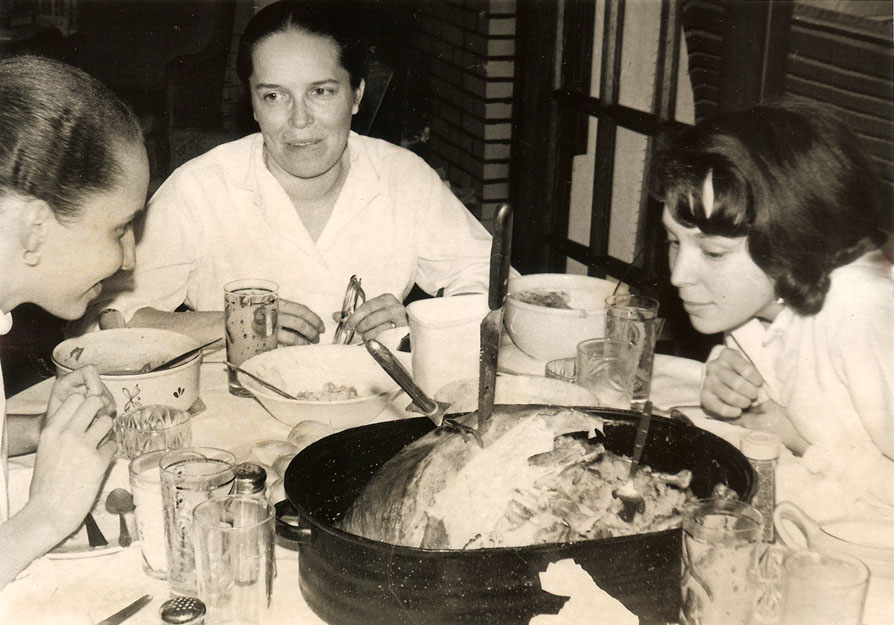
The question is, why is the turkey on the table in the pan?? And it’s already been carved.
Other Christmas Posts
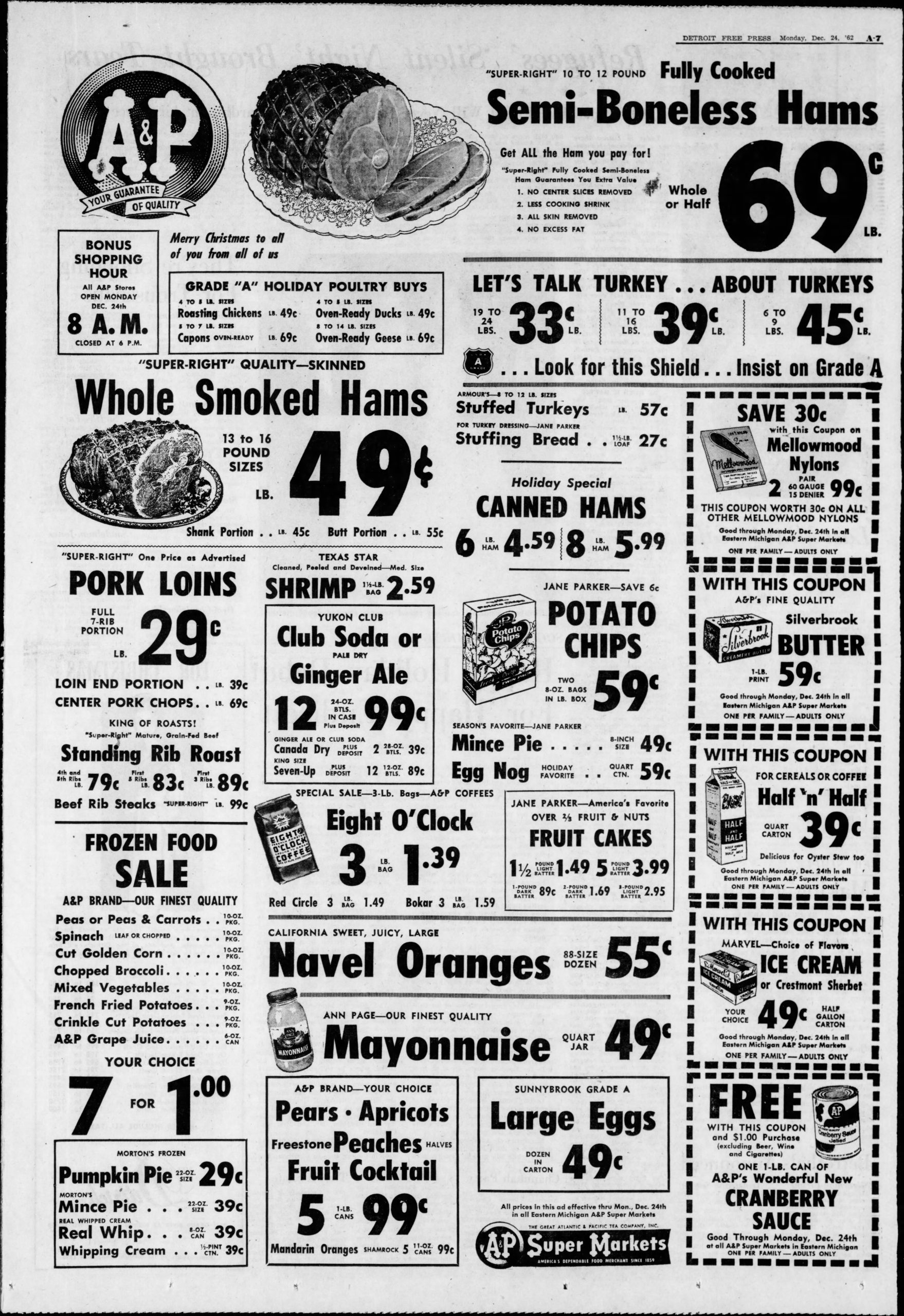
Christmas – My mother 1962
Buying Gifts for Christmas
The Christmas Tree Was Always Real
We ate more turkey
The question is, why is the turkey on the table in the pan?? And it’s already been carved.
Other Christmas Posts
Christmas – My mother 1962
Buying Gifts for Christmas
The Christmas Tree Was Always Real
We ate more turkey
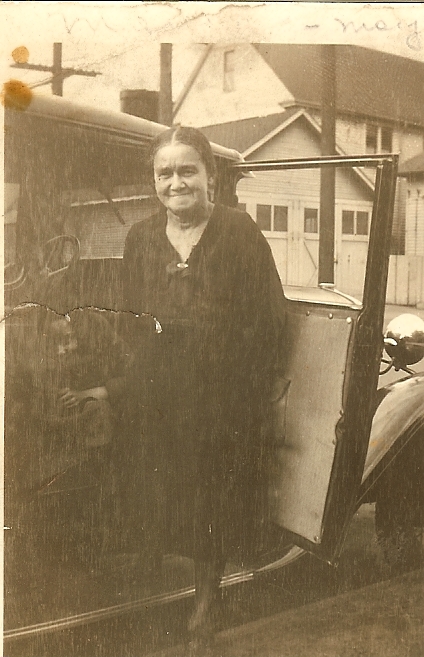
My great grandmother, Jennie Virginia Allen, was born October 1, 1866 in Montgomery Alabama, seven months after the end of the Civil War and the ratification of the 13th Amendment abolishing slavery. She was the forth child of formerly enslaved Eliza and Dock Allen. Her mother was a seamstress and her father was a carpenter. The girls were taught the seamstress trade while the boys were taught the carpenters trade. She married Howard Turner in 1887 when she was 20 and Howard was 23. My grandmother Fannie was born the following year. According to the 1940 Census she completed the sixth grade.
Below are my mother’s memories of her grandmother.
By Doris Graham Cleage
Today I’m going to write about Grandmother. Grandmother Turner was born about 1872, nine years after the Emancipation Proclamation. Don’t know if she finished high school – but she did go. Her mother taught her to sew and it was a good thing she did because grandmother worked the rest of her life supporting herself and her children at sewing. That is, she worked after husband Howard Turner died. They married when she was about sixteen. Don’t know his age. He looked something like grandmother’s father and also like my father, mother said. He was a farmer’s son from around Hayneville, AL, but he preferred the big city – Montgomery. His father had three sons and planned to give each one a large share of the farm when they married. Howard and Jenny received their farm, but neither one liked the country. One day they were in Montgomery. He was at a Bar-B-Q. She was at her parents with their daughters, Fannie Mae, 4, and Daisy Pearl, 2. someone brought word that he had been shot dead. Apparently no one ever knew who did it, but mother always said grandmother thought his father had it done because he was angry that Howard would not farm and had even been talking about selling his part. The father did not want the land sold, but wanted it to stay in the family forever. (Bless his heart!). He and the son had had some terrible arguments before they left to come to the Bar-B-Q. I often wondered why he was there and grandmother wasn’t. She always seemed to like a good time.
I remember her laughing and singing and dancing around the house on Theodore. She was short, about five feet I guess, with brown eyes, thin dark brown hair that she wore in a knot. She was very energetic, always walking fast. She always wore oxfords, often on the wrong feet, and never had time to change them. We used to love to tell her that her shoes were on the wrong feet. (smart kids!)
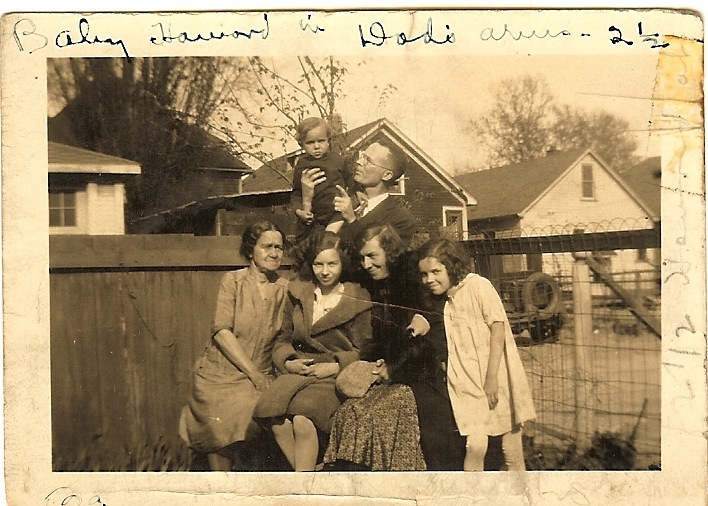
She never did things with us like read to us or play with us, but she made us little dresses. I remember two in particular she made me that I especially liked. My “candy-striped” dress – a red white and blue small print percale. She put a small pleated ruffle around the collar and a larger one around the bottom. I was about five, I guess, and I really thought I was cool! The other favorite was an “ensemble” – thin, pale green material with a small printed blue green and red flower in it – just a straight sleeveless dress with neck and sleeves piped in navy blue – and a three – quarter length coat of the same material – also straight -with long sleeves and lapels – also piped in navy blue. She never used a pattern. Saw something and made it! She taught us some embroidery, which she did beautifully but not often. She never fussed at us – never criticized – and I think she rocked me in the upstairs hall on Theodore when I was little and sick. The rocker Daddy made stood in that hall. I remember lots of people rocking in that chair when I was small.
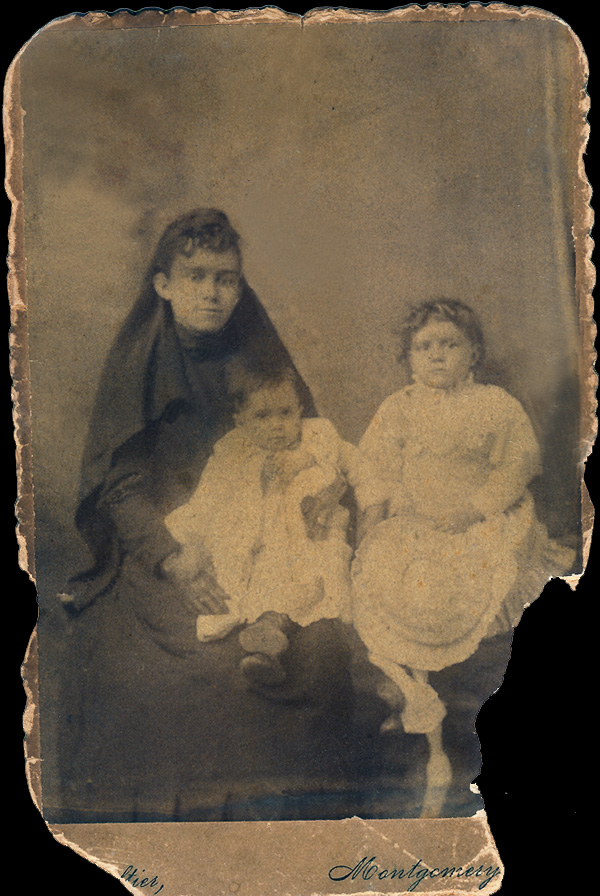
Grandmother went to work when her husband was murdered – sewing for white folks – out all day fitting and sewing – and sewing all night – finishing while mother and Daisy stayed with their Grandfather Allen, who would tell on them when Grandmother came home and she would spank them. Mother said she remembered telling Daisy to holler loudly so Grandmother wouldn’t spank them hard or long and it worked!
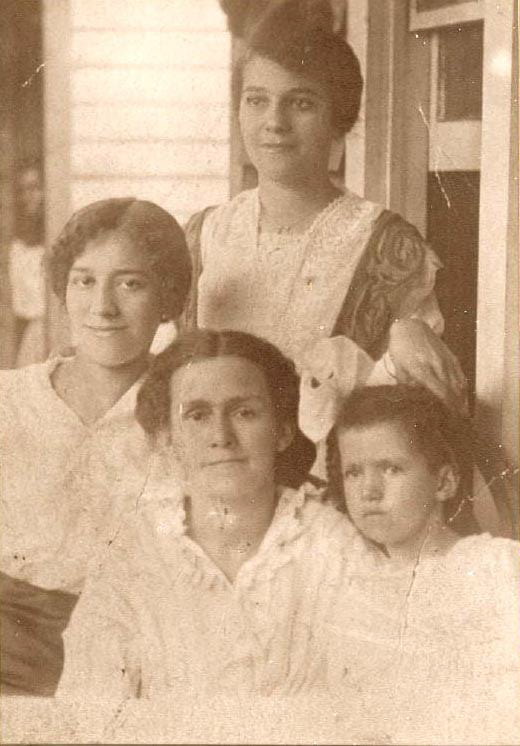
Grandmother stayed single until she was about 37 or 38 when she married someone Mother hated – looked Italian, hardly ever worked. Liked a good time. Fathered Alice and left when she was very small. Somehow when mother spoke of him I had the feeling he would have like to have taken advantage of her. She was about 20 and had given up two college scholarships to stay and help Grandmother.
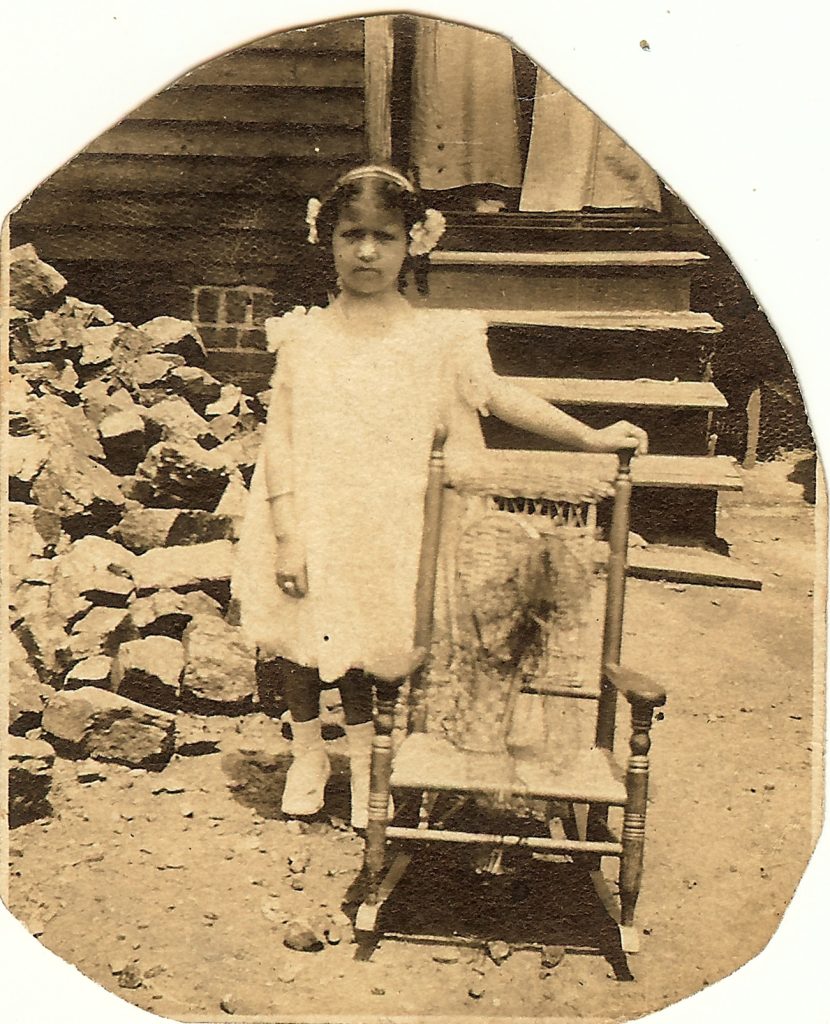
Sometimes after her husband’s death, Grandmother took the deed to the farm to a white lawyer. (was there any other kind?) and told him to sell it for her. He went to see it and check it out – told her to forget it – her title wasn’t clear, but he never gave the deed back and she figured he made a deal with her father-in-law. (The rest of the land story.)
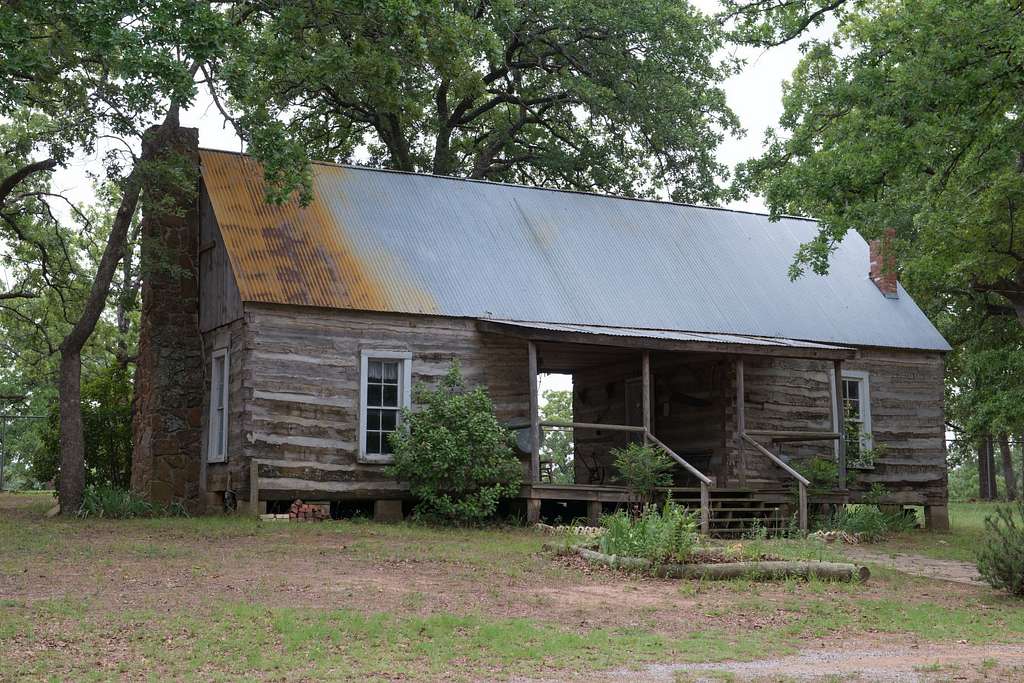
Aunt Abbie (note: Jennie’s sister) said the father-in-law built Grandmother and Howard a “shotgun” house on the farm. She would turn up her nose as she said it. You know that is a house like this – no doors on front or back, you could shoot a gun through hall without damage. Animals (pigs, dogs) would wander into the hall and have to be driven out. Aunt Abbie only stayed there when the plague was raging in Montgomery. Yellow fever (malaria) and/or polio every summer. Many people sick or dying. Huge bonfires in the streets every night to ‘purify’ the air”, and closing the city if it got bad enough – no one in or out. More than once they fled the city in a carriage through back streets and swamps because they were caught by the closing which was done suddenly to keep folks from leaving and spreading the “plague”
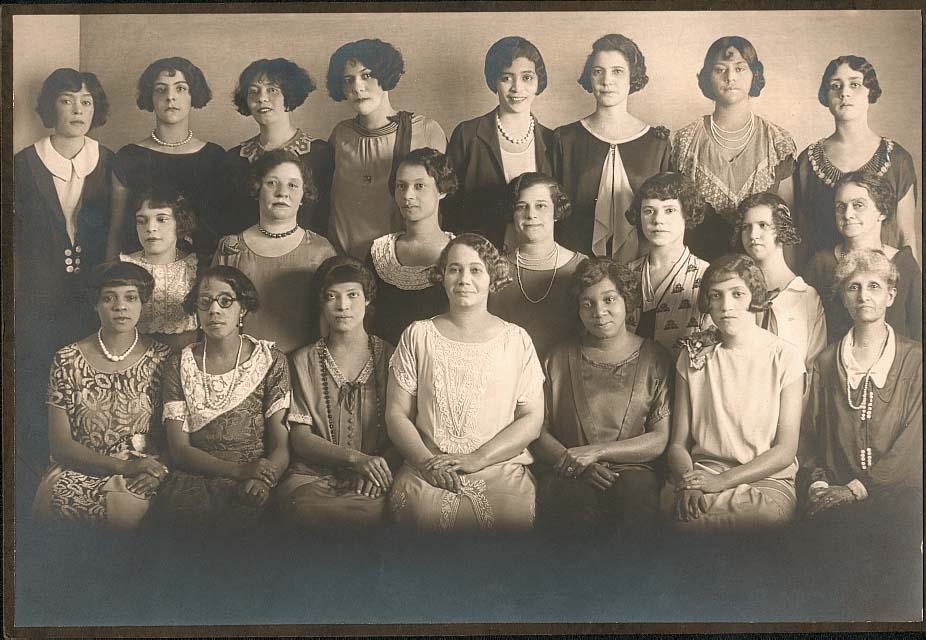
In Detroit, when they came in 1923 when Mother and Daddy had bought the house on Theodore and had room for them (room? only 5 adults and 3 children!) Grandmother, Daisy and Alice got good jobs, (they were good – sewing fur coats, clean work and good pay.) at Annis Furs (remember it back of Hudsons?) and soon had money to buy their own house much farther east on a “nice” street in a “better ” neighborhood (no factories) on Harding Ave. While they lived with us I remember violent arguments between Alice and I don’t know who – either Grandmother or Daisy or Mother. Certainly not Daddy because when he spoke it was like who in the Bible who said, “When I say go, they goeth. When I say come, they cometh.” Most of the time I remember him in the basement, the backyard or presiding at table. Daisy and grandmother were what we’d call talkers.
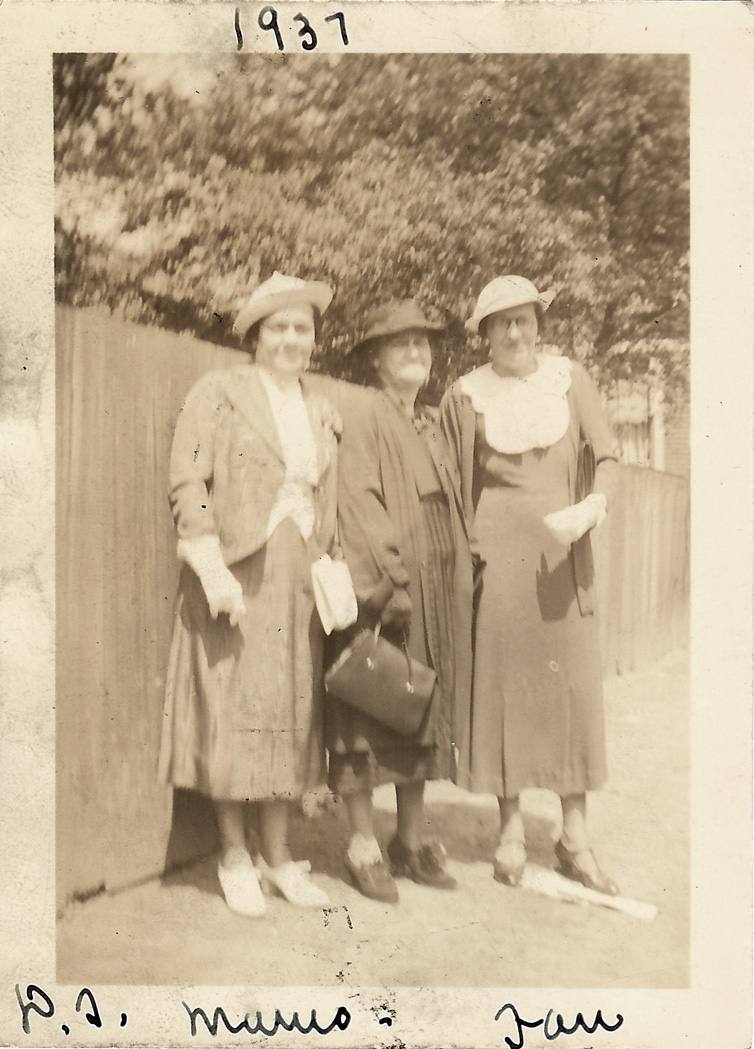
Grandmother got old, hurt her knee, it never healed properly. Daisy worked and supported the house alone. Alice only worked a little while. She had problems getting along with people. Grandmother was eventually senile. Died of a stroke at 83 or so. Alice spent years taking care of her while Daisy worked. Daisy added to their income by being head numbers writer at Annis!!
I got this from Wikipedia about playing the numbers. “The numbers game, also known as the numbers racket, the policy racket, the Italian lottery, the policy game, or the daily number, is a form of illegal gambling or illegal lottery played mostly in poor and working class neighborhoods in the United States, wherein a bettor attempts to pick three digits to match those that will be randomly drawn the following day. In recent years, the “number” would be the last three digits of “the handle”, the amount race track bettors placed on race day at a major racetrack, published in racing journals and major newspapers in New York.
Gamblers place bets with a bookmaker (“bookie”) at a tavern, bar, barber shop, social club, or any other semi-private place that acts as an illegal betting parlor. Runners carry the money and betting slips between the betting parlors and the headquarters, called a numbers bank or policy bank. The name “policy” is based on the similarity to cheap insurance, which is also a gamble on the future.[1]”
I think the numbers writer – Daisy in this case, would take the bets in the store (the numbers people picked and their bet money) and pass them along to the numbers runner, who would take them to the center. She would get a cut.
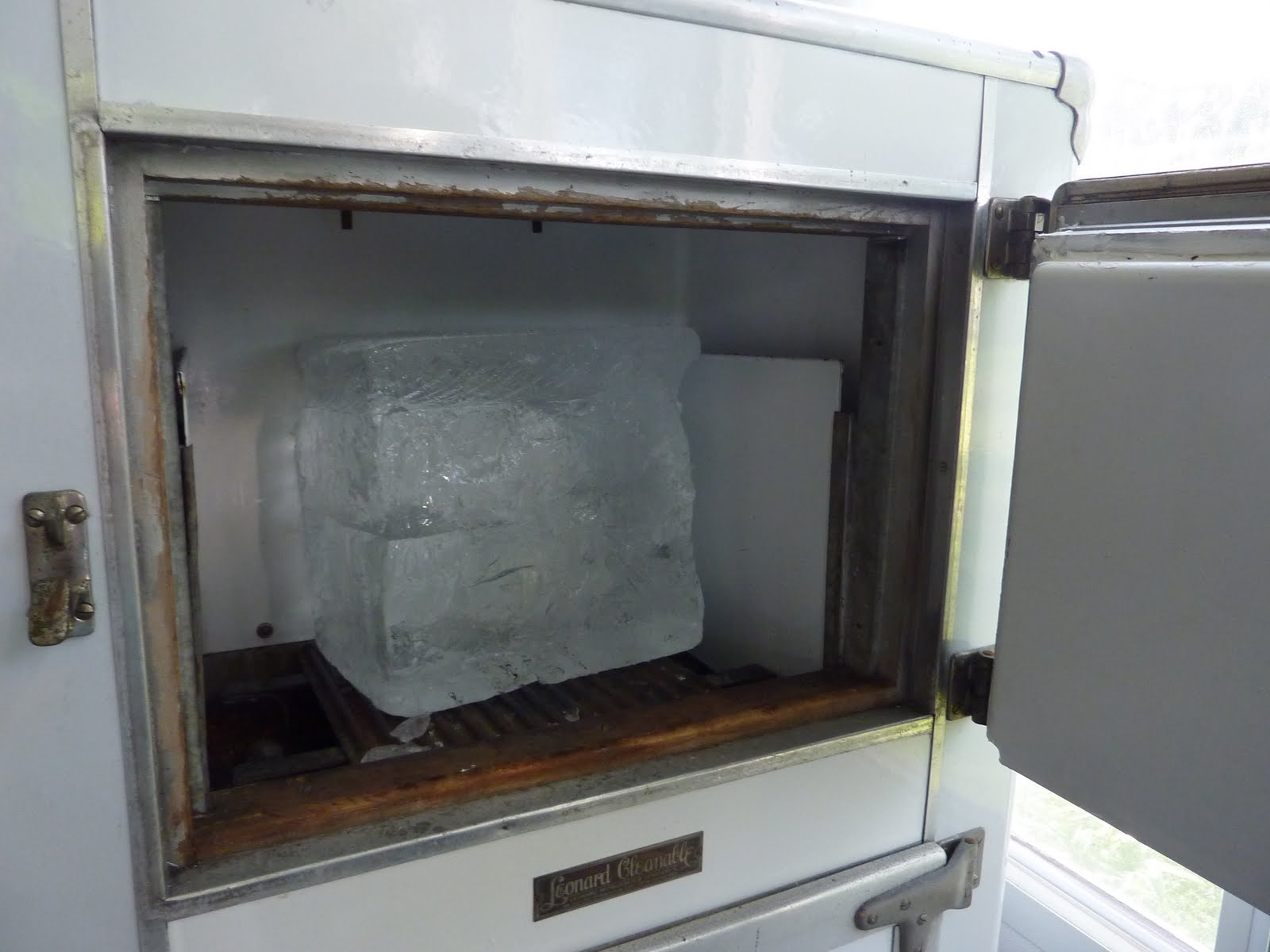
In 1948 I was almost two years old and I lived in Springfield, Massachusetts. My family had an ice box. The ice cost $2 a week and was delivered daily. I don’t actually remember ice being delivered by horse wagon, but that’s how it worked. Ice came in blocks 25, 50, 75 0r 100 pounds, depending on the size of your ice box. We were a bit behind the average because by 1944 85% of households in the USA owned a refrigerator.
According to an online article (which you now have to pay to read), the ice rested on a metal corrugated shelf which allowed for the ice to melt with the water passing through a tube in the bottom of the compartment to a flat pan located under the icebox to catch the water. Some finer models had spigots for draining ice water from a catch pan or holding tank. People would lift the bottom flap, empty the water pan, and replace the pan for the next day’s use.
That summer, we spent three week visiting family in Detroit. While there discussion took place between my paternal grandparents and my parents about purchasing an electric refrigerator to replace our ice box in Springfield.
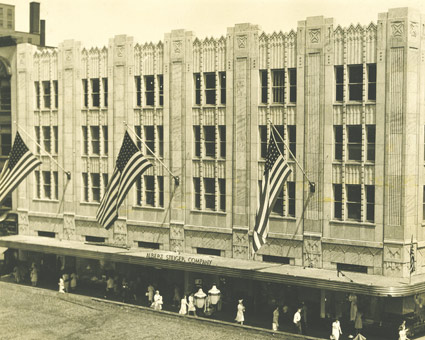
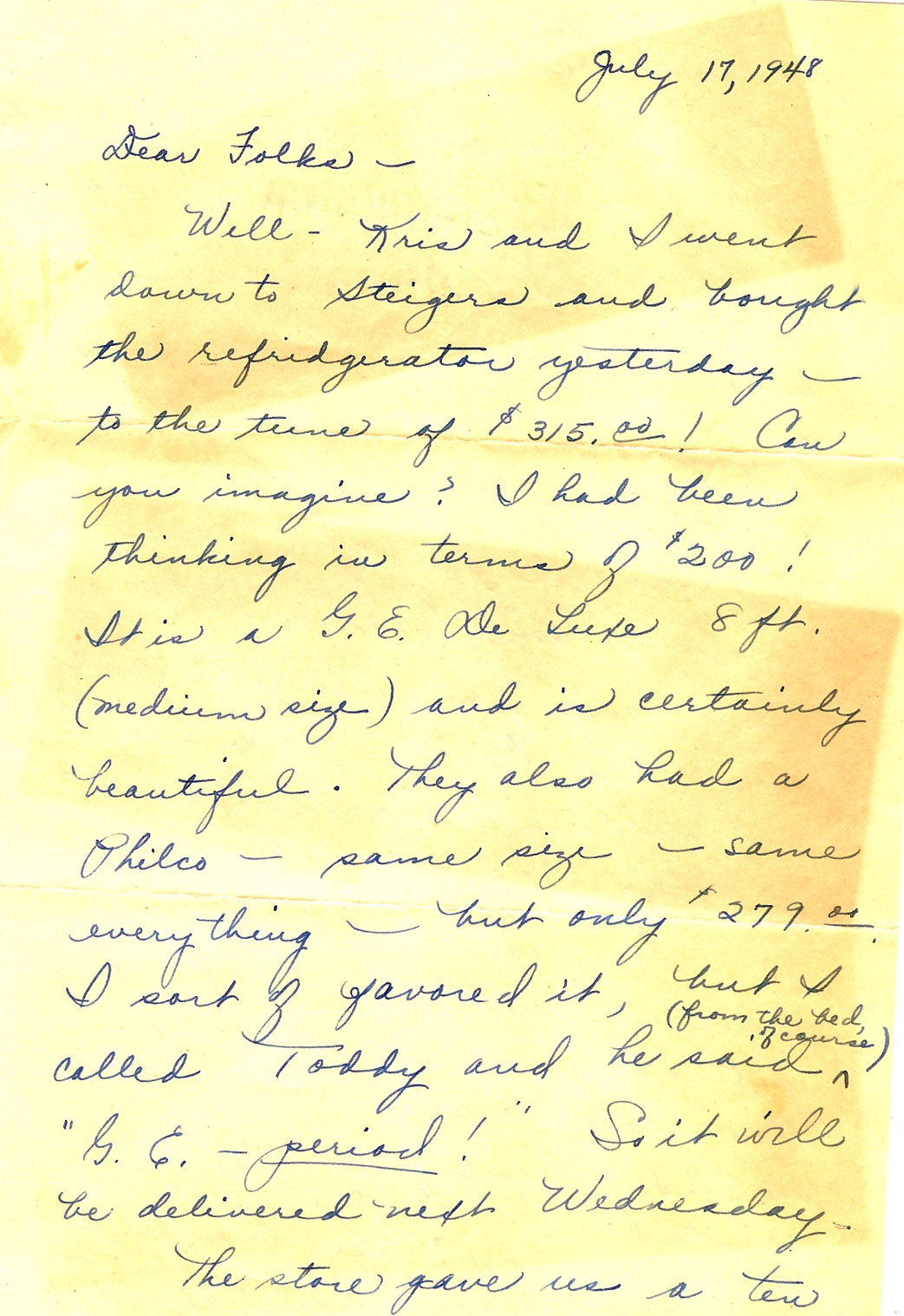
When we had returned home to Springfield, my mother and I went downtown to Steigers Department store and bought an electric refrigerator on time. Below is a letter she wrote to my paternal grandparents about the purchase. It is transcribed below the image.
July 17, 1948
Dear Folks,
Well – Kris and I went down to Steigers and bought the refridgerator yestereday- to the tune of $315.00! Can you imagine? I had been thinking in terms of $200! It is a G.E. De Luxe 8 ft. (medium size) and is certainly beautiful. They also had a Philco – same size – same everything – but only $277.00. I sort of favored it, but I called Toddy and he said (from the bed of course) “G. E. – period!” So it will be delivered next Wednesday.
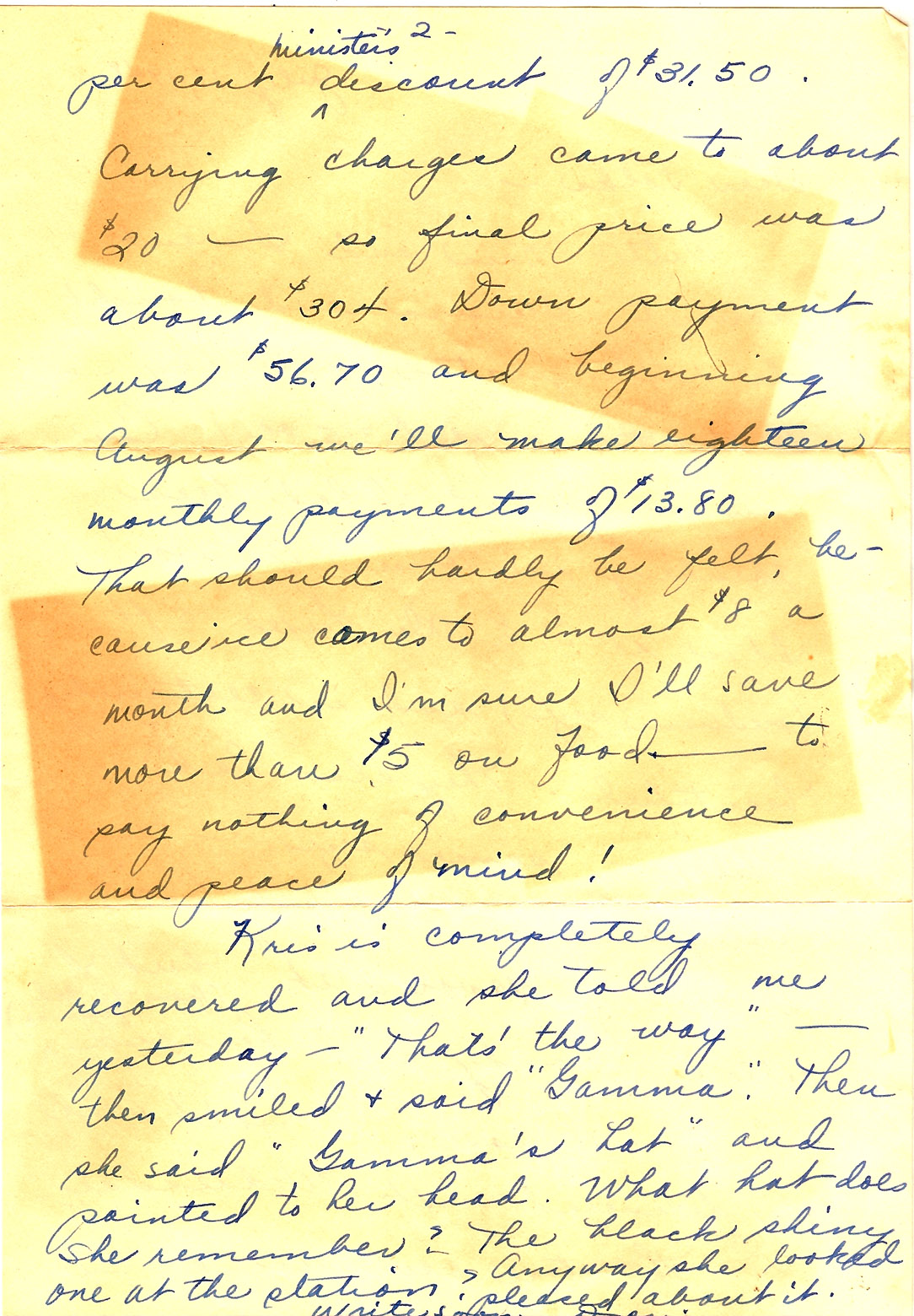
The store gave us a ten percent ministers discount of $31.50. Carrying charges came to about $20 – so final price was about $304. Down payment was $56.70 and beginning August we’ll make eighteen monthly payments of $13.80. That should hardly be felt because ice comes to amost $8 a month and I’m sure I’ll save more than $5 on food – to say nothing of convenience and peace of mind!
Kris is completely recovered and she told me yesterday – “That’s the way” – then smiled and said “Gamma.” Then she said “Gamma’s hat” and pointed to her head.” What hat does she remember? The black shiny one at the station? Anyway she looked pleased about it.
Write soon, Doris
In my mind, I can still hear my grandmother Cleage saying “Dat’s de way!” as she did to the littlest ones.
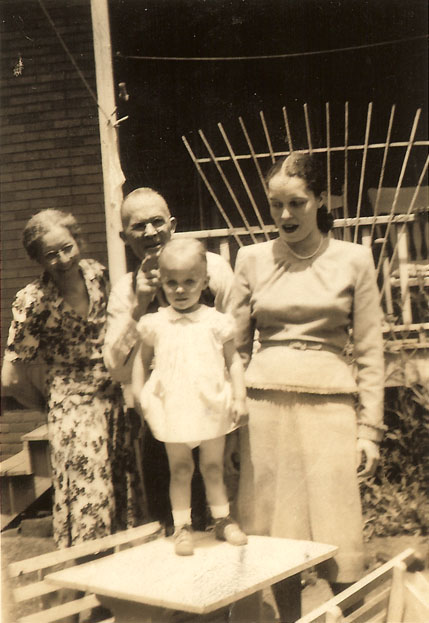
My grandmother Fannie, my grandfather Mershell and my mother Doris. I am standing on the table. I was 22 months old. My mother was about three months pregnant with my little sister Pearl.
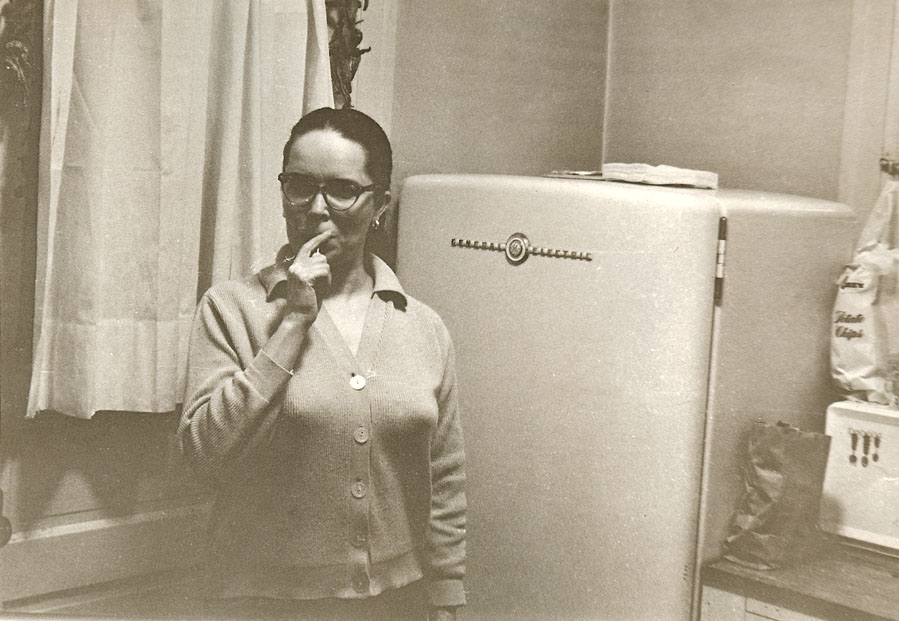
That refrigerator was still going strong when I moved out on my own in 1969. When my parents left Detroit in 1975 and moved to a house that had a more modern fridge they left it behind. That new one, I might add, did not last as long as the one my mother bought in 1948.
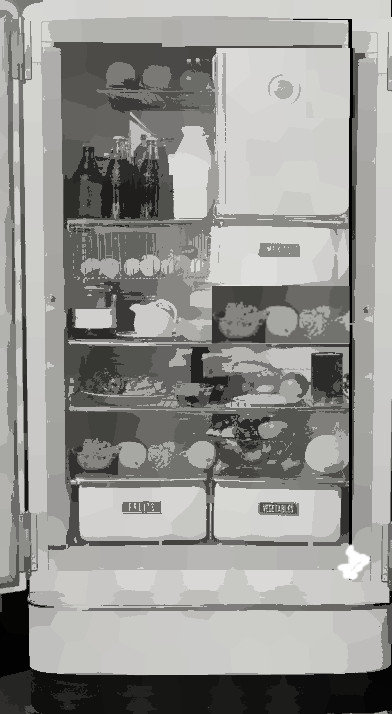

Links to related posts
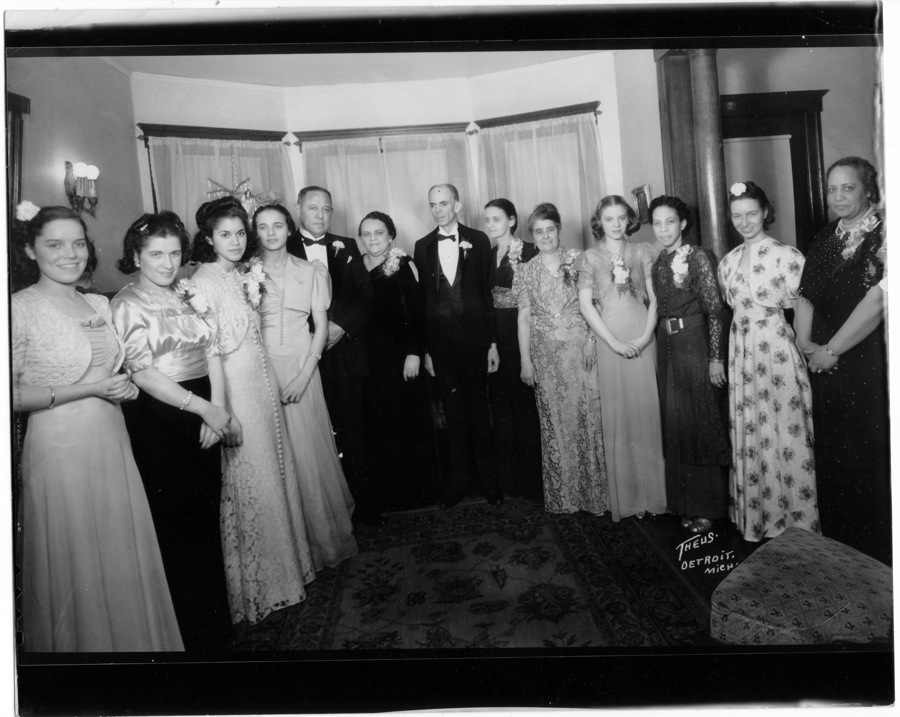
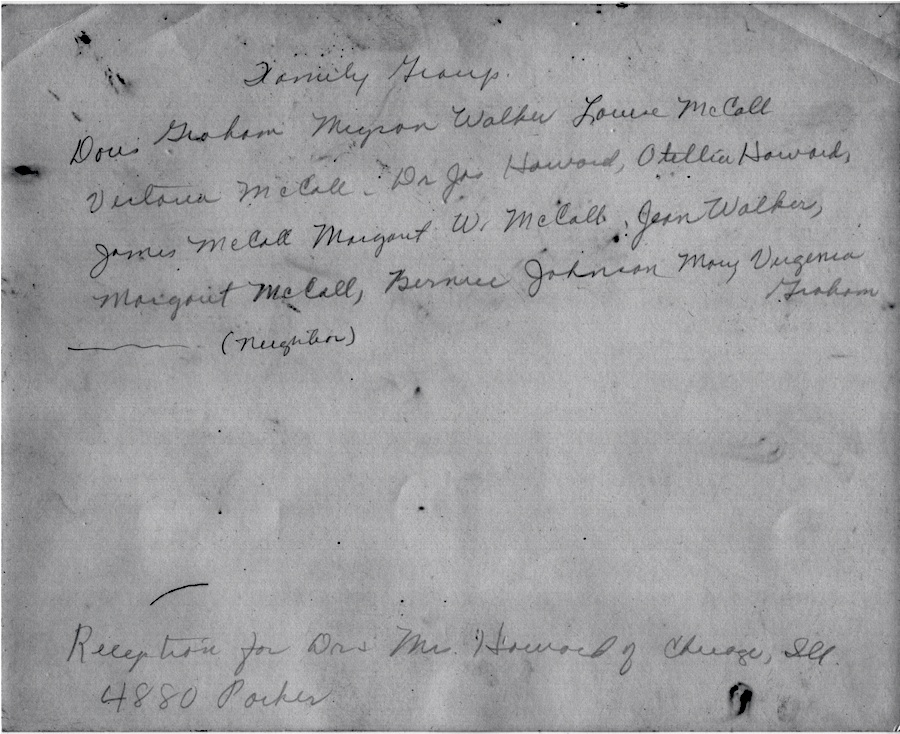
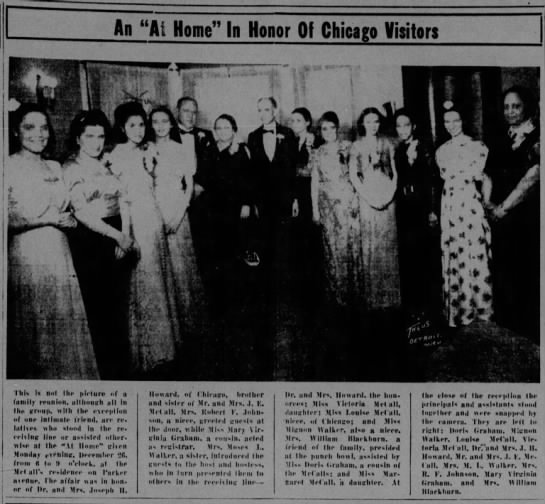
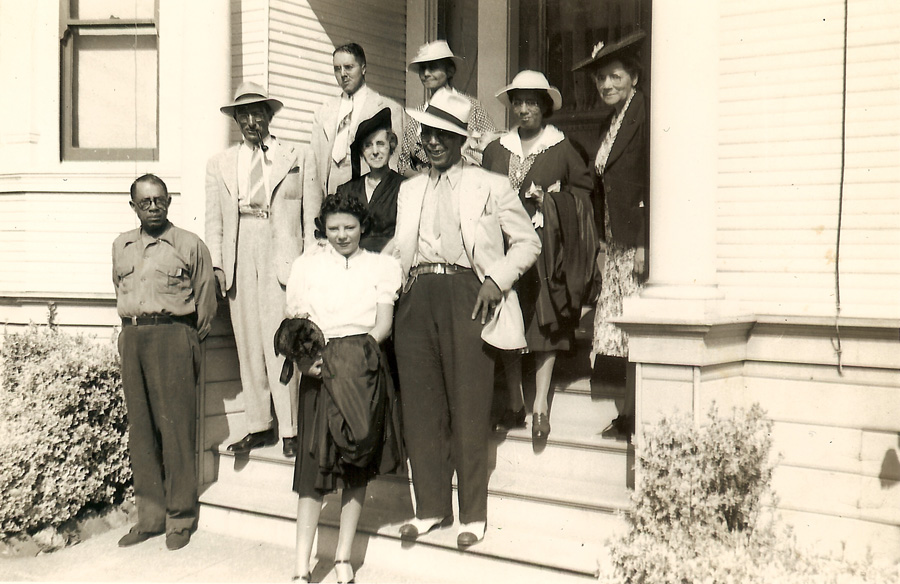
“This is not the picture of a family reunion, although all in the group, with the exception of one intimate friend, are relatives who stood in the receiving line or assisted otherwise at the “At Home” given Monday evening, December 26 from 6 to 9 o’clock, at the McCall’s residence on Parker avenue, the affair was in honor of Dr. and Mrs. Joseph H. Howard, of Chicago, brother and sister of Mr. and Mrs. J. E. McCall and Mrs Robert F. Johnson, a sister, greeted guests at the door, while Miss Mary Virginia Graham, a cousin, acted as registrar. Mrs. Moses L. Walker, a sister, introduced the guests to the host and hostess, who in turn presented them to others in the receiving line – Dr. and Mrs. Howard, the honorees; Miss Victoria McCall, daughter; Miss Louise McCall, niece, of Chicago; and Miss Mignon Walker, also a niece. Mrs. William Hawthorn, a friend of the family, presided at the punch bowl, assisted by Miss Doris Graham, a cousin of the McCalls; and Miss Margaret McCall, a daughter. At the close of the reception, the principals and assistants stood together and were snapped by the camera. They are left to right: Doris Graham, Mignon Walker, Louise McCall, Victoria McCall, Dr. and Mrs J. E. McCall, Mrs. M. I. Walker, ( not named was Margaret McCall) Mrs R. F. Johnson, Mary Virginia Graham and Mrs. William Blackburn.”
The Detroit Tribune, Detroit, Michigan 31 Dec 1938, Sat • Page 5
The Detroit Tribune was published by James E. McCall and his wife, Margaret Walker McCall. He was also a poet and had lost his sight while attending college after having typhoid fever.
The links below take you to more information about various people in the photograph.
Victoria McCall interviews Eleanor Roosevelt in 1945
1940 Census – James and Margaret McCall and Family
James Edward McCall, Poet and Publisher 1880 – 1963
Interview With Mignon Walker Brown & 3 Hats
Otillia McCall Howard
Louise and Ronnie
Mary Virginia Graham – Social Reporter
Doris Graham, High School Senior – 1940
F – FAMILY, MY GRAHAMS in the 1920 Census
My Mother in the News

This is my ninth year of blogging the A to Z Challenge. Everyday I will share something about my family’s life during 1950. This was a year that the USA federal census was taken and the first one that I appear in. At the end of each post I will share a book from my childhood collection.
Golden leaves fell in the bushes
overnight brightening my yard.
Behind my eyes,
I walk beside a river
with my mother.  Trees all golden.
A dog splashes in the water,
 shakes  himself .
My four year old self
watches.

This is my ninth year of blogging the A to Z Challenge. Everyday I will share something about my family’s life during 1950. This was a year that the USA federal census was taken and the first one that I appear in. At the end of each post I will share a book from my childhood collection.
I wrote about being in the 1950 Census ten years ago. Let’s see what I got right and what I got wrong. The first post was I was there.
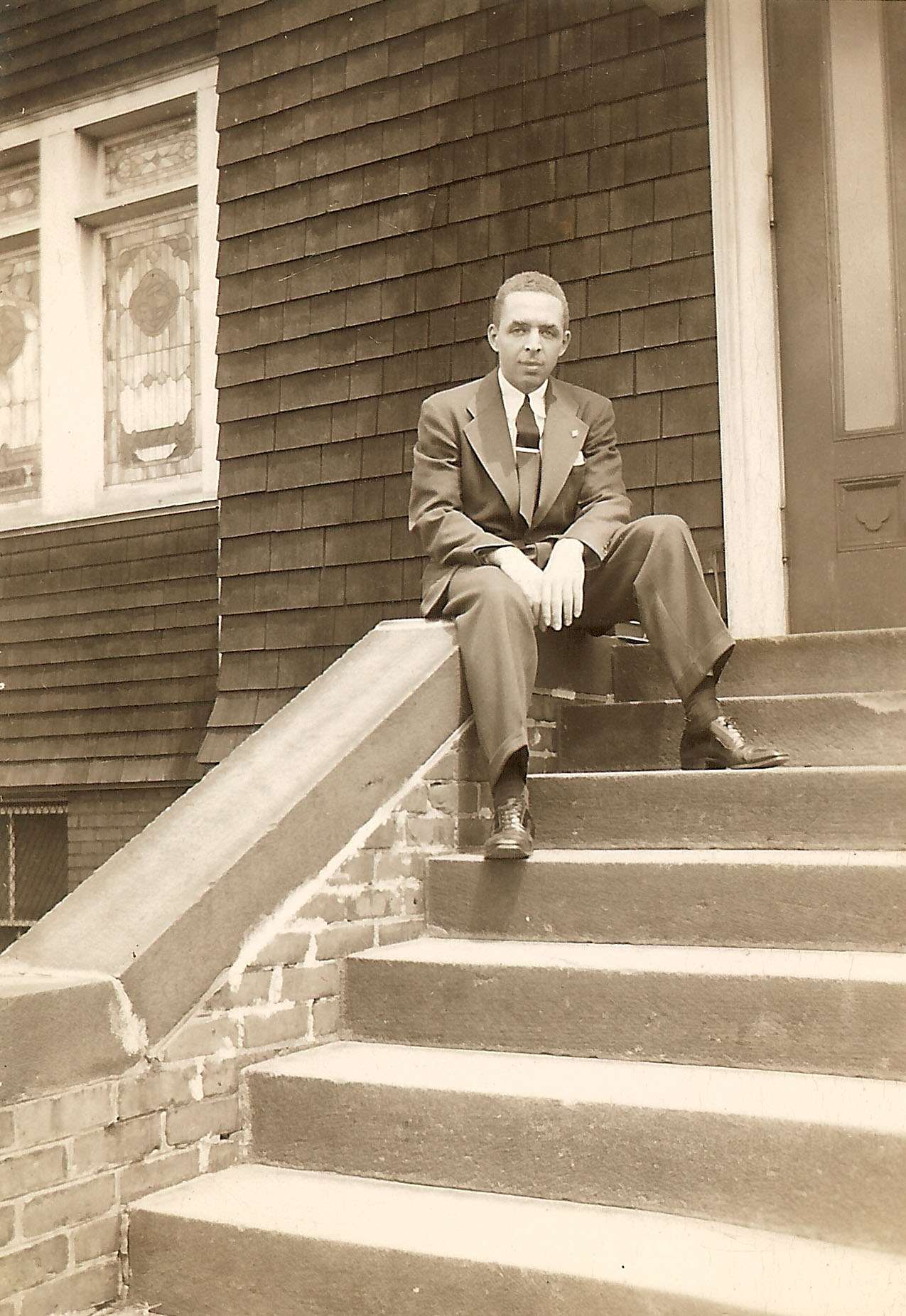
My father, Albert B. Cleage, was 38 years old and he had worked 60 hours during the past week a pastor of a Congregational Church, not a Methodist church as it says in the 1950 census. He was born in Indiana. He and all members of the family were identified as Negro.
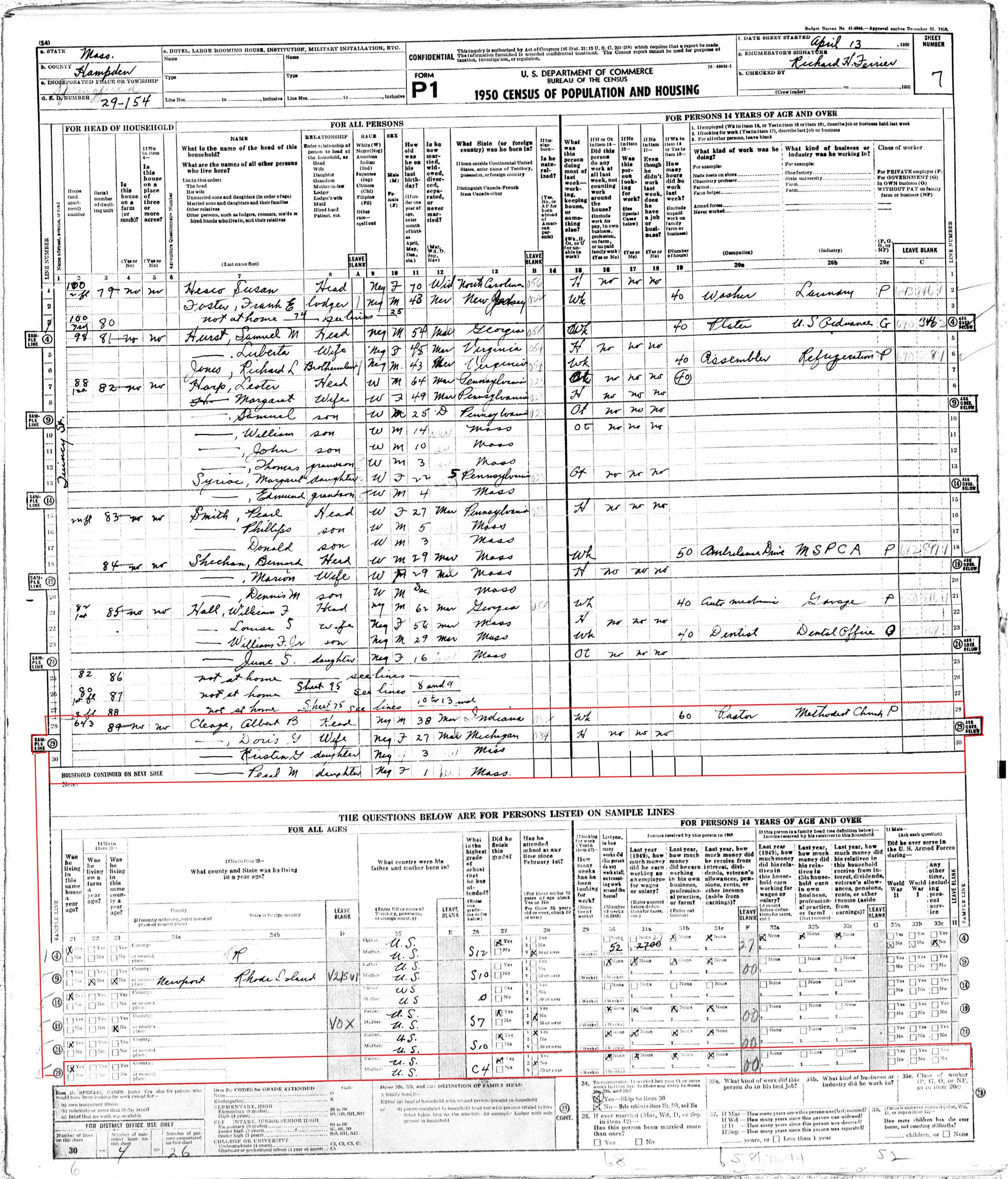
My mother, Doris G. Cleage, was 27. She was a housewife and her hours were not recorded. She was born in Michigan. She got to answer the extra questions and they show that the family lived in the same place the year before and that she had completed 4 years of college.
I, Kristin, was three years old. My younger sister Pearl who appears on the next page, was 1. We were both born in Massachusetts.
So, I didn’t get anything wrong, although the census did, getting the denomination wrong.

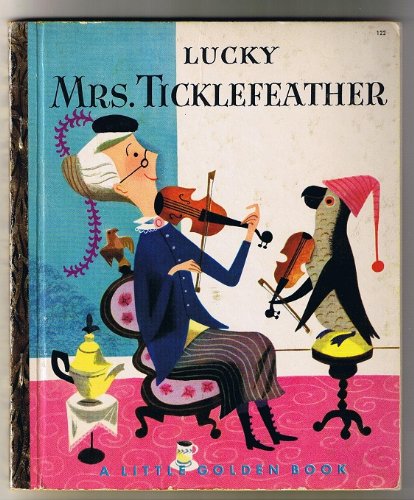
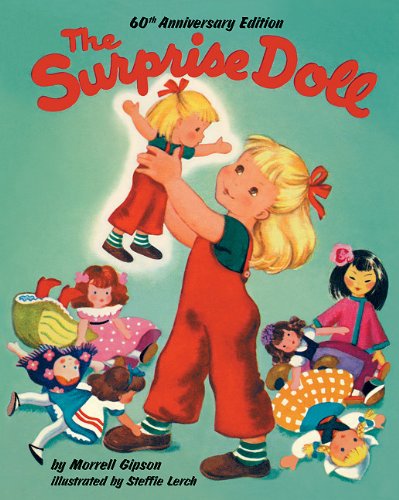
I remember reading this book to my younger cousin Marilyn years later. She eventually memorized the book.
____________
I am also participating in the Genealogy Blog 1950s Blog Party hosted by Elizabeth Swanay O’Neal, “The Genealogy Blog Party: Back to the 1950s,” Heart of the Family™ https://www.thefamilyheart.com/genealogy-blog-party-1950s/

This is my ninth year of blogging the A to Z Challenge. Everyday I will share something about my family’s life during 1950. This was a year that the USA federal census was taken and the first one that I appear in. At the end of each post I will share a book from my childhood collection.
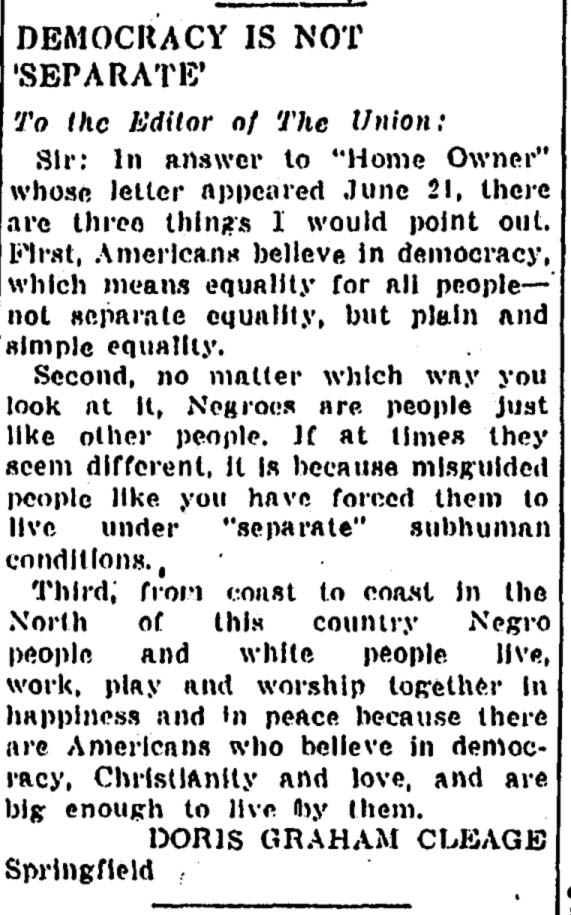
To the Editor of The Union:
Sir: In answer to “Home Owner” whose letter appeared June 21, there are three things I would point out. First, Americans believe in democracy, which means equality for all people — not separate equality, but plain and simple equality.
Second, no matter which way you look at it, Negroes are people just like other people. If at times they seem different, it is because misguided people like you have forced them to live under “separate” subhuman conditions.
Third, from coast to coast in the North of this country Negro people and white people live, work, play and worship together in happiness and in peace because there are Americans who believe in democracy, Christianity and love, and are big enough to live by them.
Doris Graham Cleage
Springfield
Below is the letter my mother was responding to.
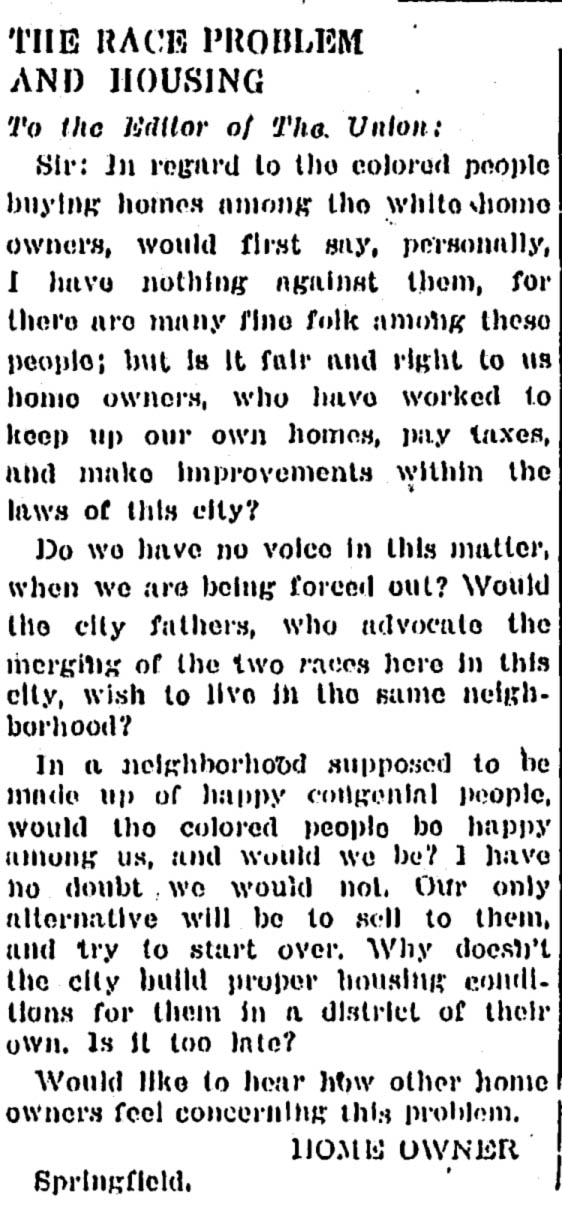
To the Editor of The Union:
Sir: In regard to the colored people buying homes among the white home owners, would first say, personally, I have nothing against them, for there are many fine folk among these people; but is it fair and right to us homeowners, who have worked to keep up our own homes, pay taxes, and make improvements within the laws of this city?
Do we have no voice in this matter, when we are being forced out? Would the city fathers, who advocate the merging of the two races here in this city, wish to live in the same neighborhood?
In a neighborhood supposed to be made up of happy congenial people, would the colored people be happy among us, and would we be? I have no doubt we would not. Our only alternative will be to sell to them, and try to start over. Why doesn’t the city build proper housing conditions for them in a district of their own? Is it too late?
Would like to hear how other home owners feel concerning this problem.
HOME OWNER
Springfield
_________________________________________________________________________
Meanwhile, as a three year old, I was oblivious.
The other day I was thinking about when the next census would released – 2022. I enjoyed finding my family and placing them in context in the 1940 Census. I thought that I know much of the information that would be asked on the 1950 Census. Why wait? I Googled a blank form for the 1950 Census. This is the first of a series based on all of the unpublished censuses – 1950, 1960, 1970, 1980, 1990, 2000 and 2010. I was there!
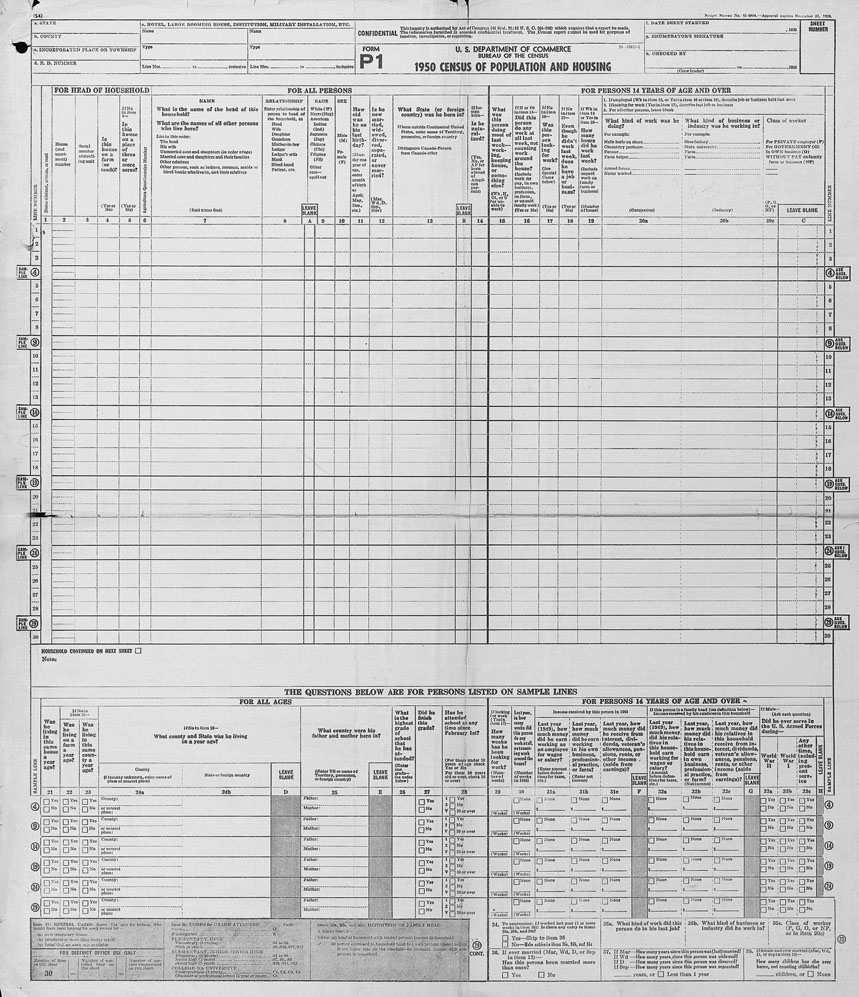
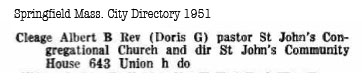
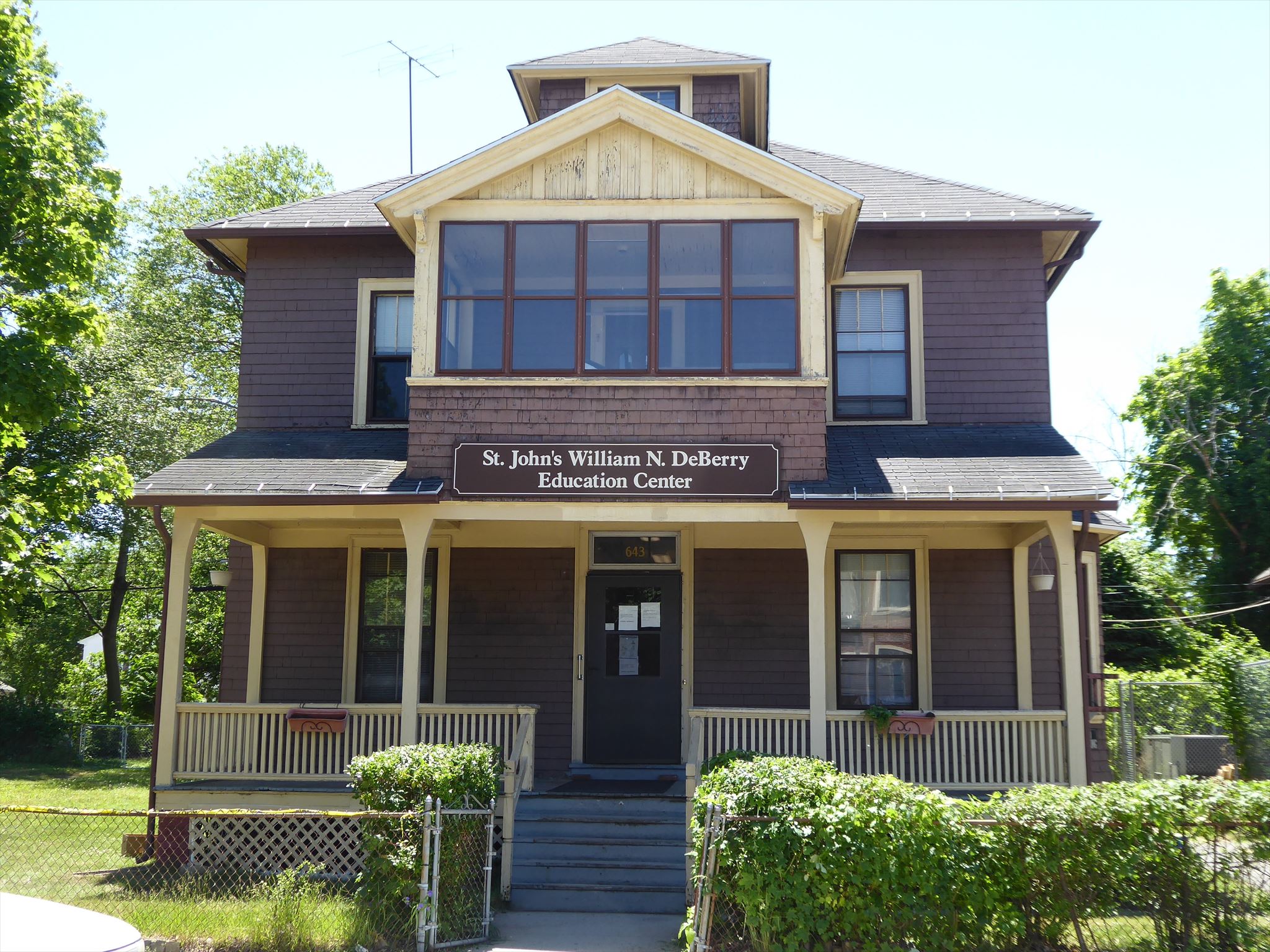
The 1950 Census is the first one in which I make an appearance. I was three years old. We lived at 643 Union Street in Springfield, Massachusetts. This was the parsonage/ community house located next to the church.
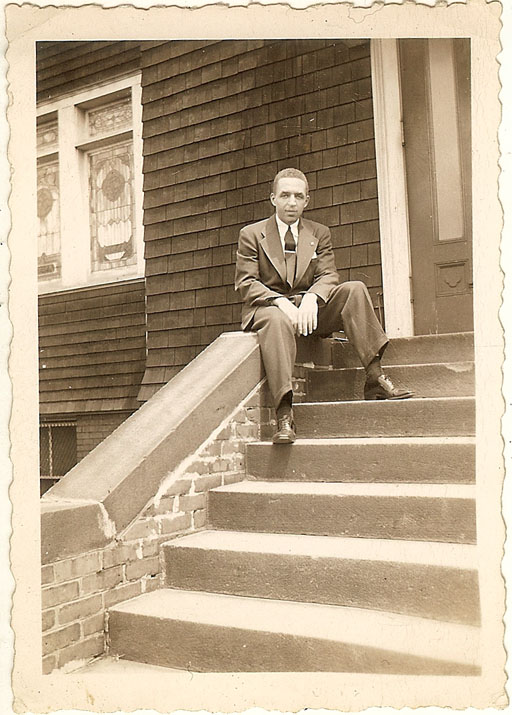
My father, Albert B. Cleage, was the “head” of the household. He was 38 years old and had worked for 52 weeks as the pastor of St. John’s Congregational Church. I do not know how much he earned the previous year, but I’m sure it was on the low side of the $2,992 average wage. He was born in Indiana and both of his parents were born in the United States. He had completed at least 1 year of post degree college work.
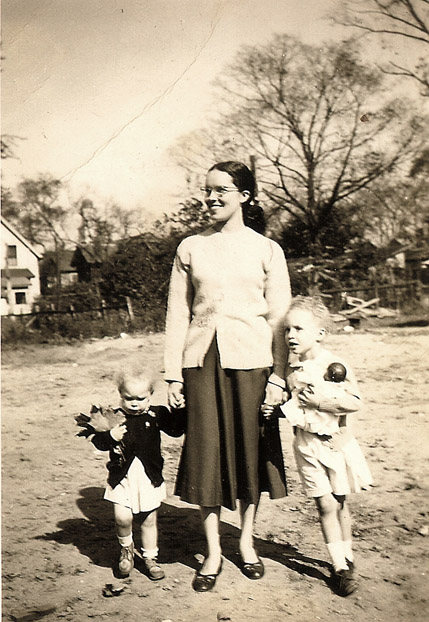
My mother, Doris G. Cleage, was my father’s wife. She was 27 years old and was born in Michigan. Both of her parents were also born in the U.S.A. She had completed four years of college and had not worked outside of the home the previous year. She had given birth to two children, both of them still alive. Three year old Kristin and one year old Pearl had both been born in Massachusetts. My parents had been married 6 years. Everybody in the house was identified as “Neg(ro)”. My mother took education classes at Springfield College in 1950 but I’m not sure if it was before or after April, when the census was taken.
Some things that I know about my family at that time that aren’t listed include that we did not own a car and that my father hoped to eventually find a church in Detroit so they could move back home. This happened the following year, 1951.
I have added two articles from April, 1950 concerning my parents activities. Read more about our life on Union Street at – U is for Union Street. Read an overview of news and other happenings for the 1950s here American Cultural History 1950 – 1959.
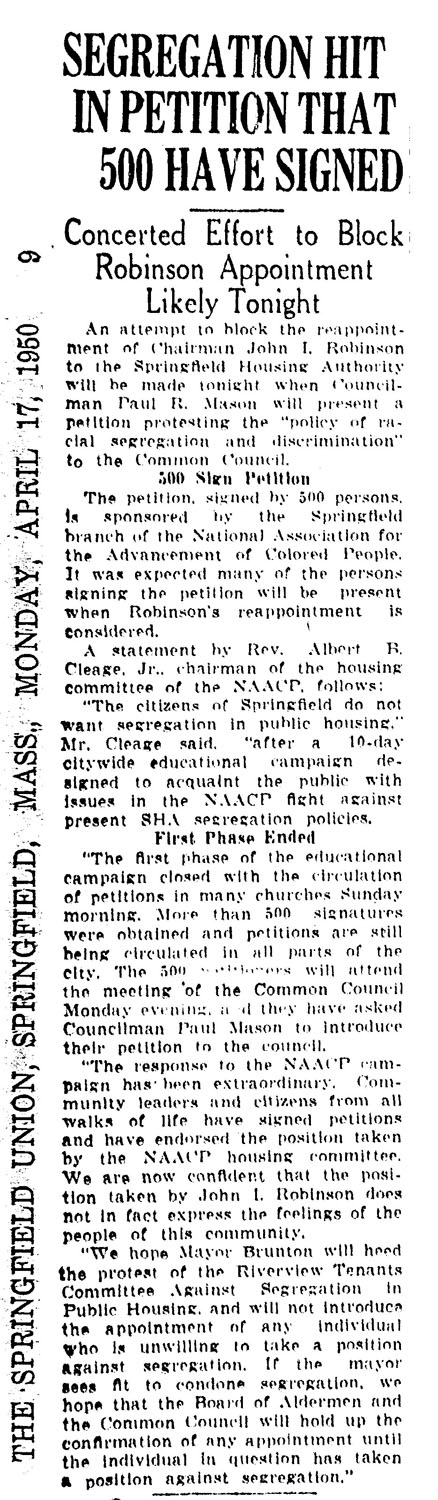
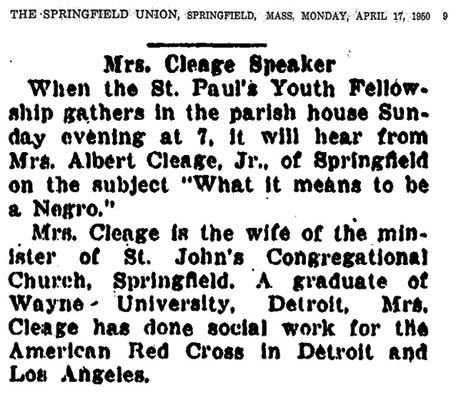
For this post I used ancestry.com, newspapers.com, family photos and personal knowledge.
Now we go to the maternal side of my family, the Grahams. My mother Doris Graham was born February 12, 1923, the third of the four children of Mershall and Fannie (Turner) Graham.
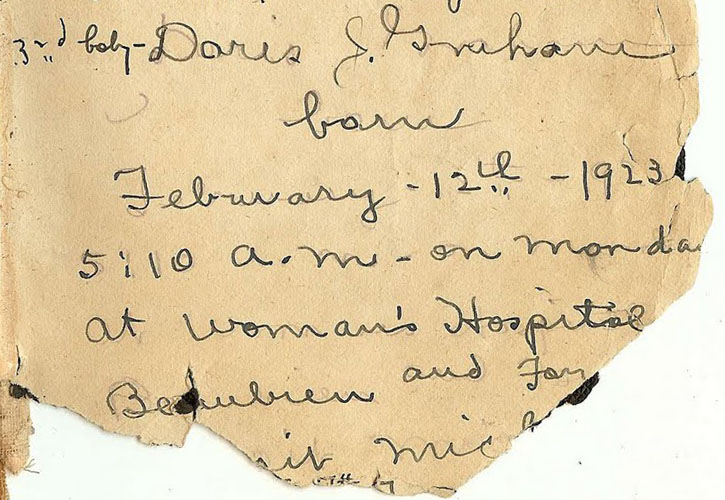
“3rd baby – Doris J. Graham born February 12th – 1923. 5:10 a.m.- on Monday at Woman’s Hospital Beaubien and For(est) – (Detro)it Mic(h)”

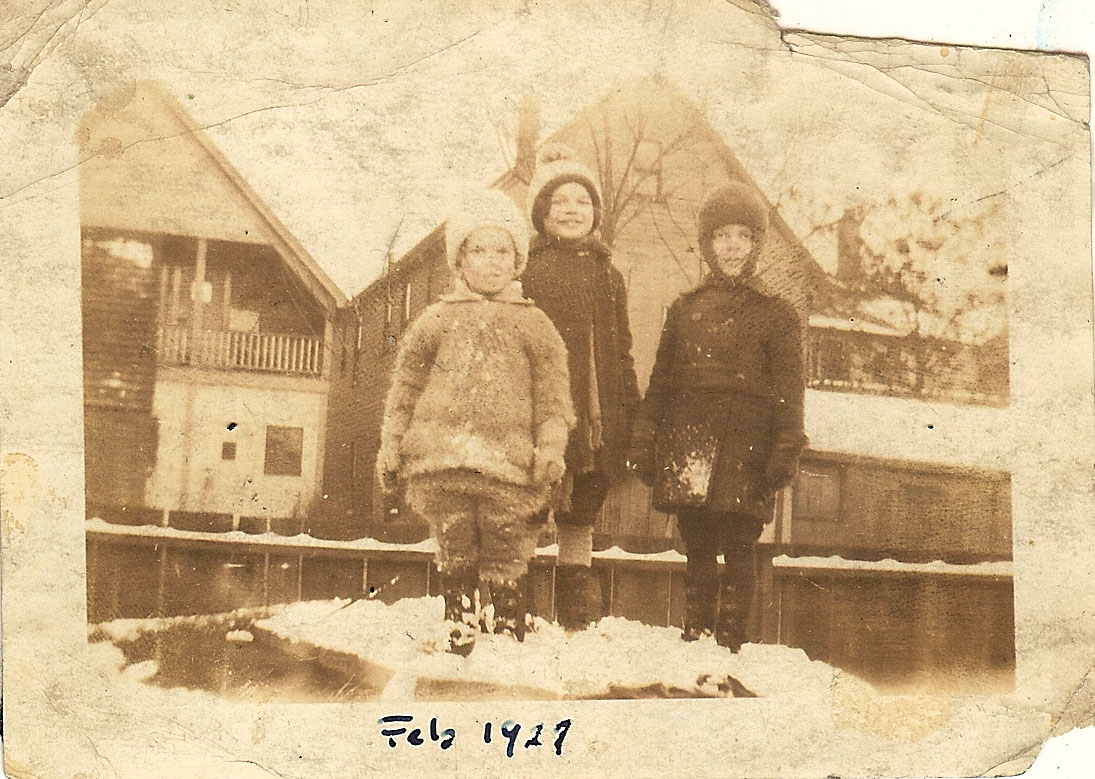
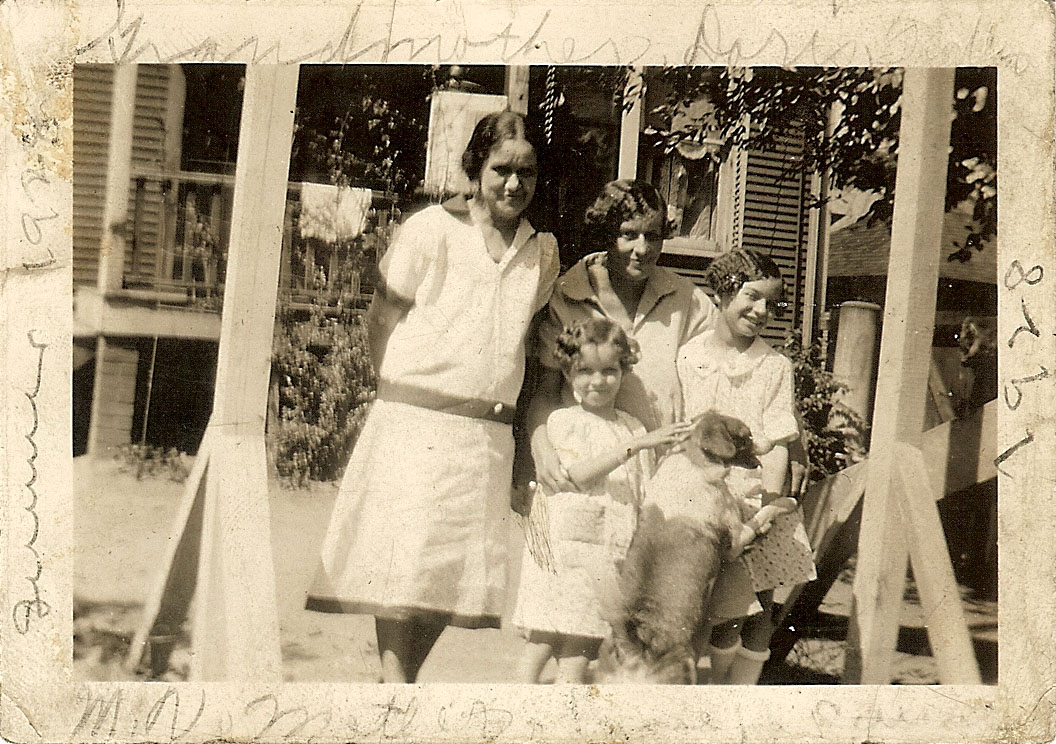

About four blocks around the corner and down the street from Theodore was a vacant lot where, for some years ,they had a small carnival every year. I don’t remember the carnival at all. I never liked rides anyway. Not even the merry-go-round. But I remember it being evening, dark outside and we were on the way home. I don’t remember who was there except Daddy and I. He was carrying me because I was sleepy so I must have been very small. I remember my head on his shoulder and how it felt. The best pillow in the world. I remember how high up from the sidewalk I seemed to be. I could hardly see the familiar cracks and printings even when the lights from passing cars lighted things, which was fairly often because we were on Warren Ave. I remember feeling that that’s the way things were supposed to be. I hadn’t a worry in the world. I was tired, so I was carried. I was sleepy, so I slept. I must have felt like that most of my childhood because it’s still a surprise to me that life is hard. Seems that should be a temporary condition.

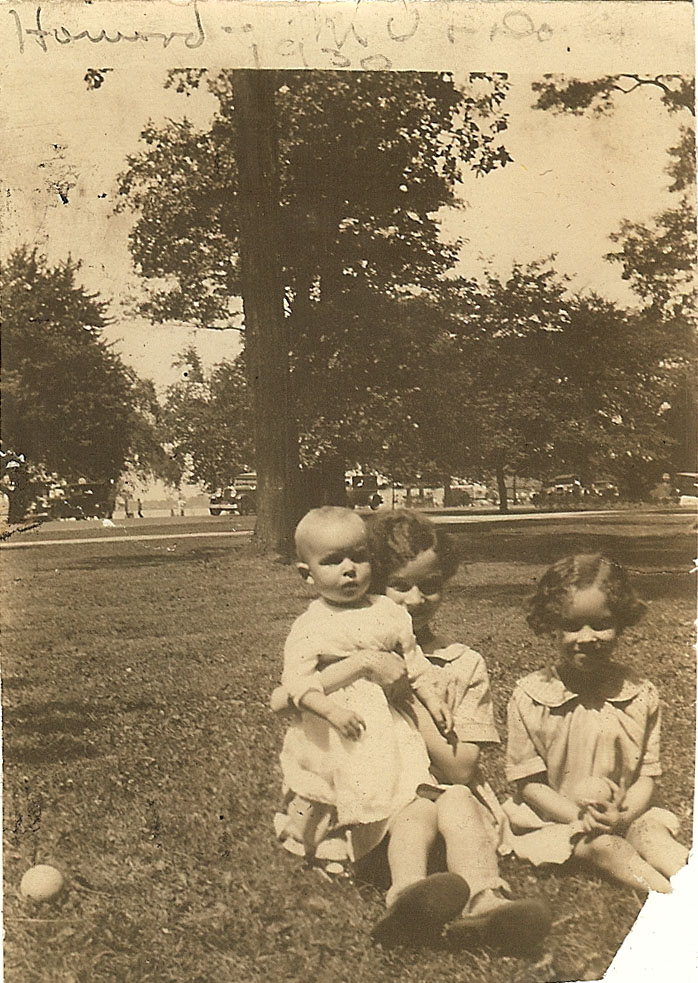
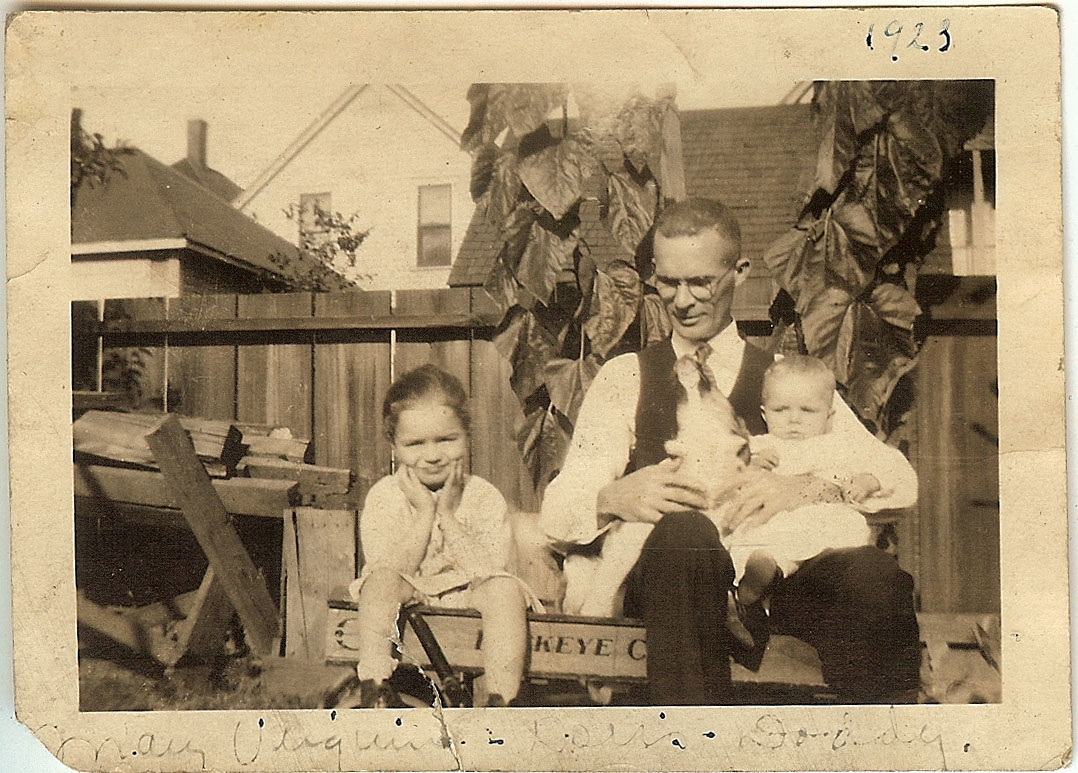
This picture was taken at Belle Isle in 1930, which used to be a city park in the Detroit River and was free to all. It has since been changed to a state park and there is a fee for entry. Howard must have been almost one year old, he had been born the previous September. He seems to be wearing a gown. Mary Vee was ten and Doris was seven.