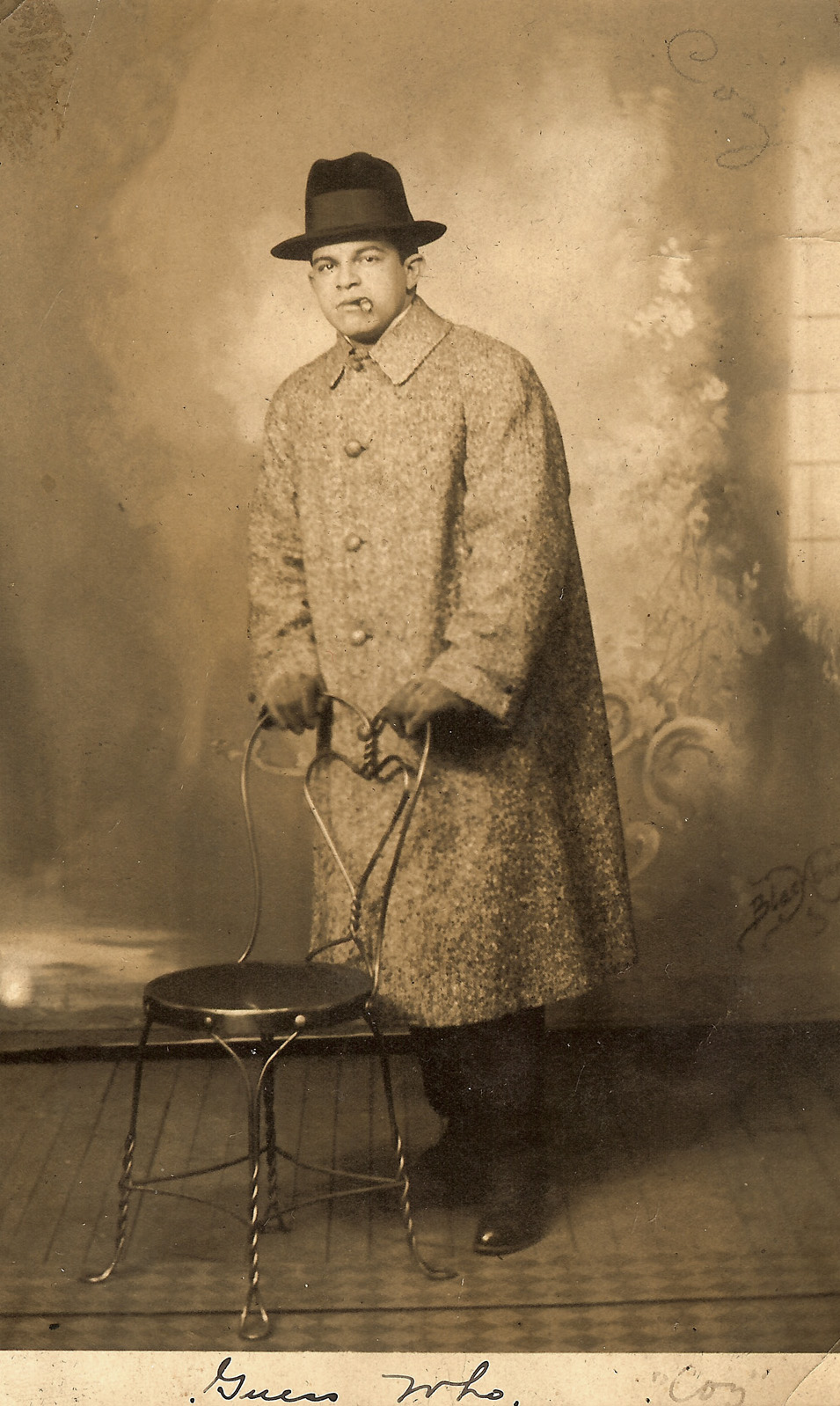
Leon Roscoe McCall
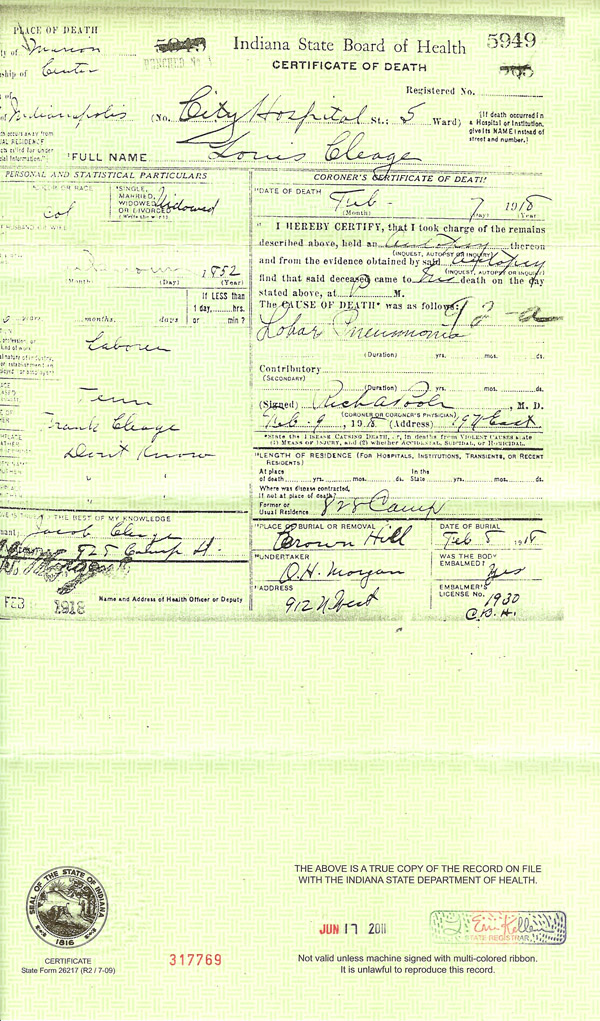
I recently found out that my Great Grandfather Louis Cleage died in Indianapolis, Indiana in 1918 through a listing for Crown Hill Cemetery. I previously found him listed in the 1918 Indianapolis City Directory living son Jacob Cleage.
The death certificate says he died in Marion County, Indianapolis, Center Township at City Hospital and his full name is Louis Cleage. He was Colored and widowed. He was born in 1852 in Tennessee. He was a laborer. According to the informant, his son Jacob Cleage, Louis’ father’s name was Frank. Mother’s name unknown.
There was an autopsy performed and he died on February 7, 1918 in the P.M. of Lobar Pneumonia. His son Jacob lived at 925 Camp Street and Louis’ last address is listed as 828 Camp. He was buried at Crown Hill Cemetery Feb. 8, 1918.
What new information did I learn or have confirmed from this death certificate? I found that his father’s name was Frank Cleage. In the 1870 US Census Louis Cleage, born around 1852, was living with an older adult named Frank Cleage in Athens, TN. I assumed that Frank was Louis’ father, but relationships were not noted in the 1870 US Census.
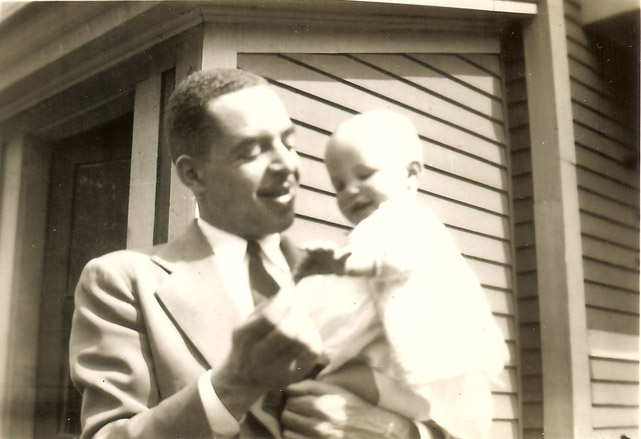
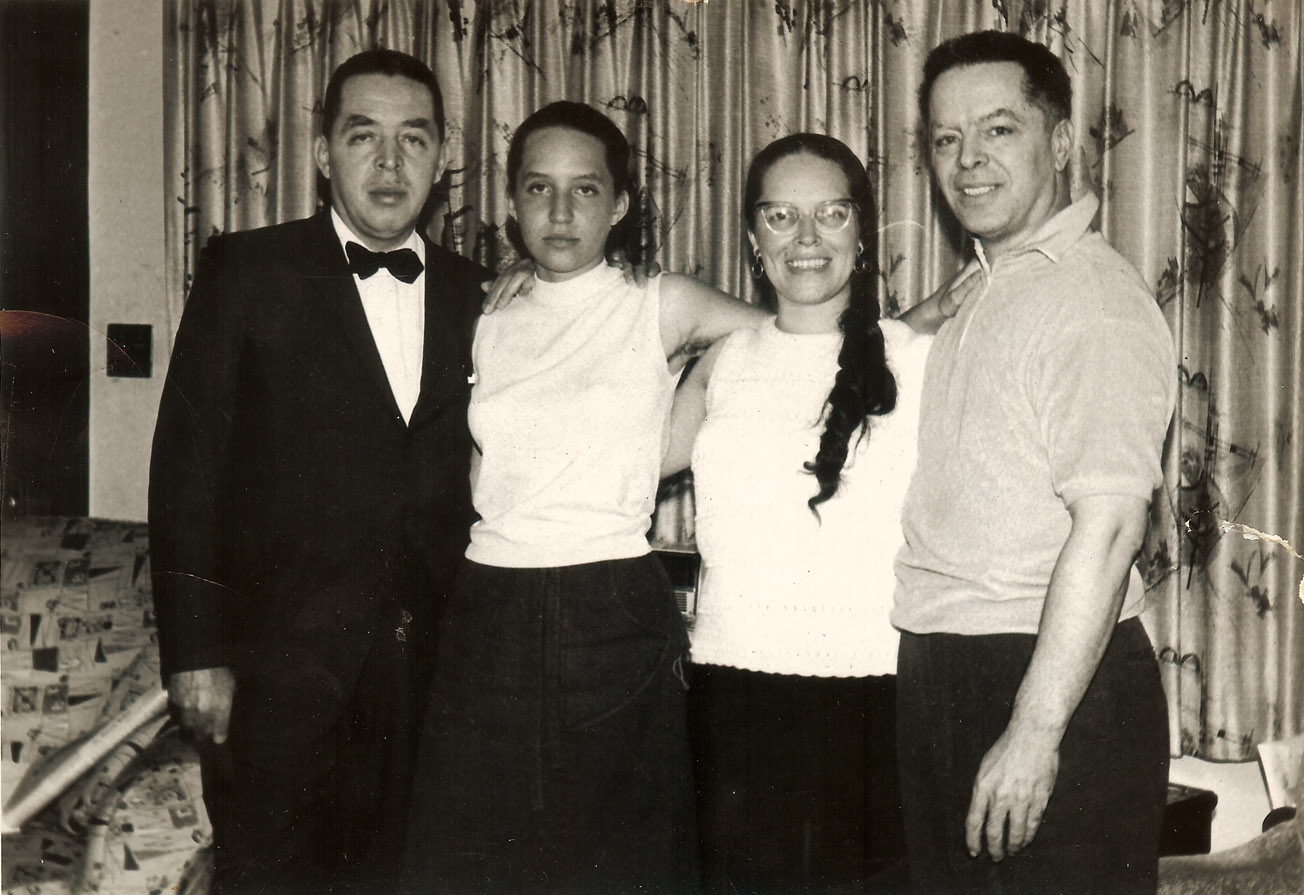
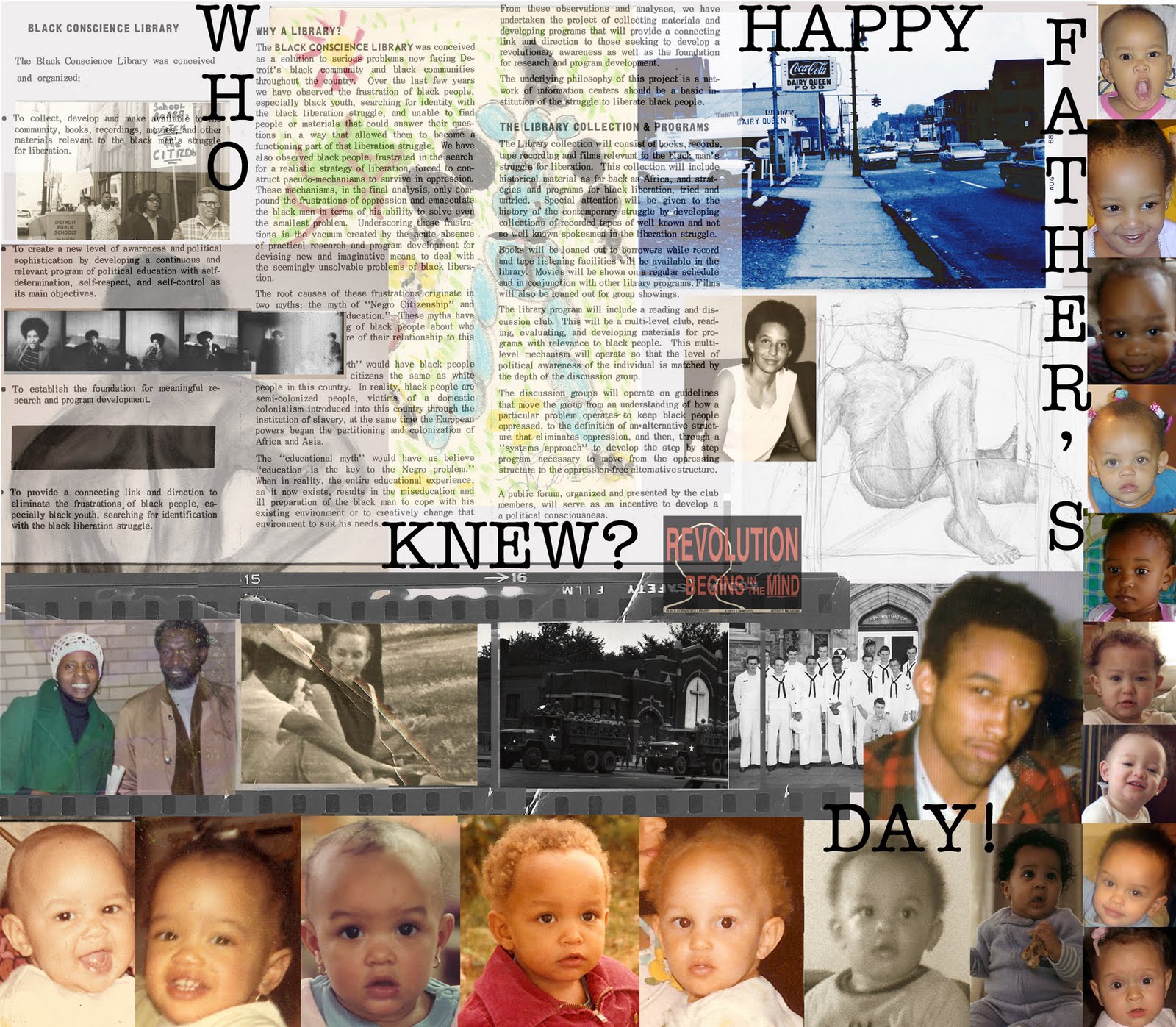
A father’s day card for my husband. Children across the bottom, grandchildren down the side. Photographs and other items from our early years, 1966 to 1970. Including, the Detroit riot 12th and Atkinson, Jim in the Coast guard, Revolution Begins in the Mind poster from the Black Conscience, friends, some of my art work and a drawing of a man and child in a leisure suit by Jim, a brochure from the black Conscience Library. Jim with the red checked shirt. Me leaning forward with the sleeveless shirt and afro.
For more Sepia Saturday posts click HERE.
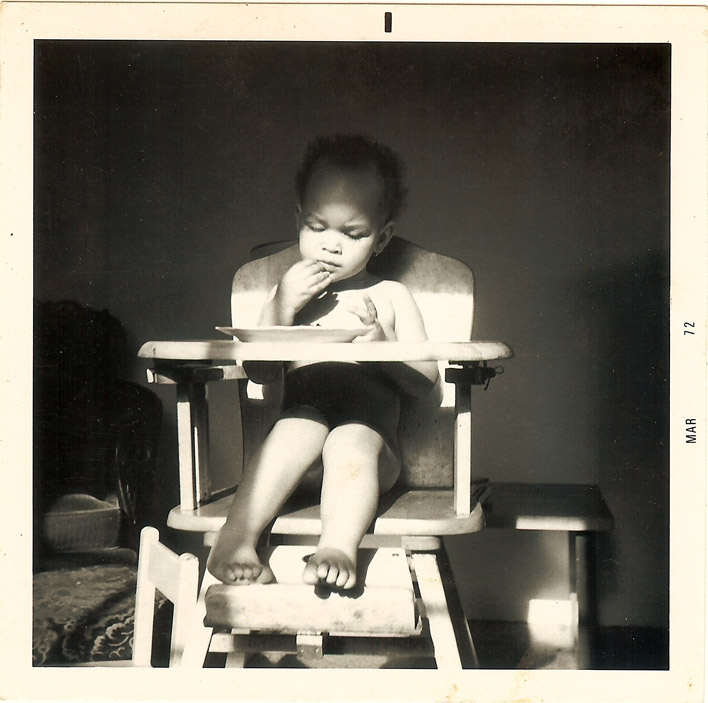
I came across this photograph of my oldest daughter, Jilo, while organizing my photographs. I like the shadows. This one was in the box marked “Detroit 1966 – 1972”. We were living in Brewster projects. I was teaching pre-k at Merrill Palmer Institute, which was within walking distance. I didn’t drive and walked or took the bus everywhere. Jim was there part of the time. He was a community organizer, still running the Black Conscience Library and also working out of a center on 12th Street. I wasn’t yet pregnant with my second daughter and hadn’t decided to move to Atlanta, where my sister lived. A year later in March, I would have two daughters and all of us would be living in Atlanta. I worked with the Institute of the Black World for awhile. Jim got a job printing with the Atlanta Voice. When he told me I could stop working outside, I gave notice and stayed home with my six week old and almost three year old. It was all a long time ago.
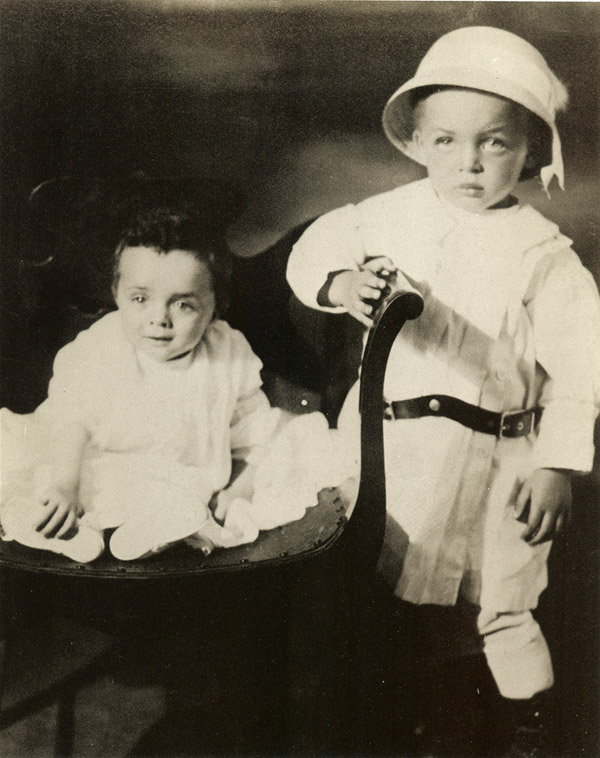
My sister recently found a stash of old family photos that she had forgotten she had. She was nice enough to bring them over to me to add to the collection. Among those photographs were these of my maternal grandfather, Mershell C. Graham called Poppy by us. When these photos were made, he was Shell and apparently quite dapper.
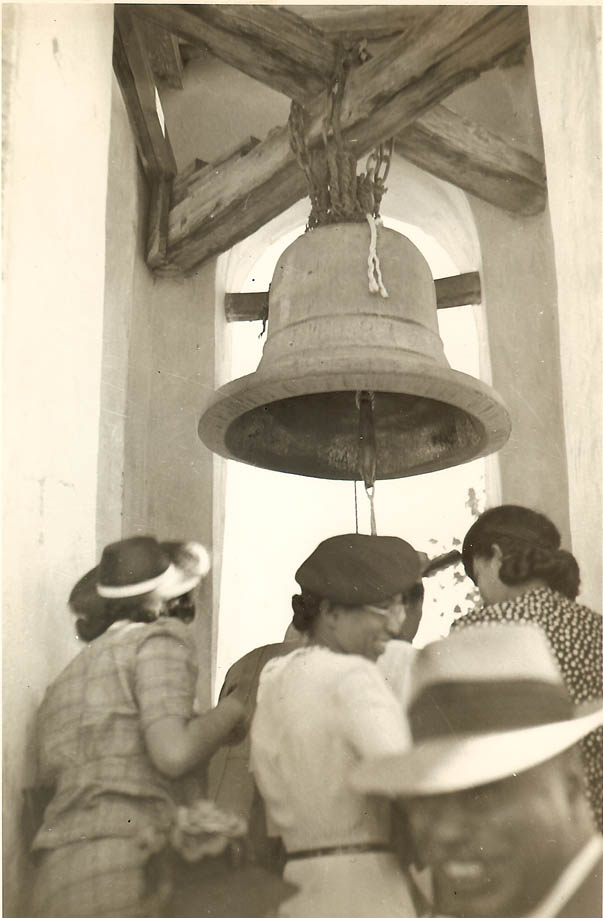
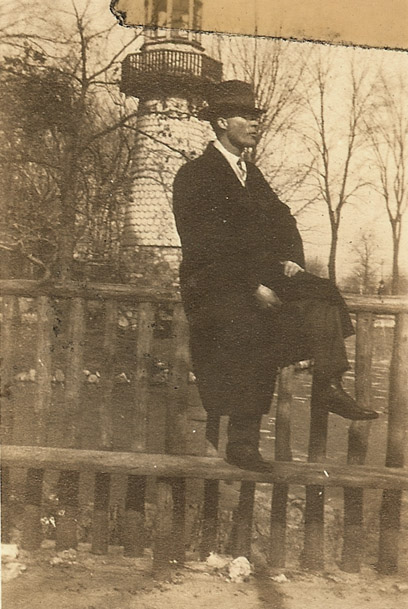 In the first picture we see him perched on a fence with a tower in the background. It looks sort of like a bell tower.
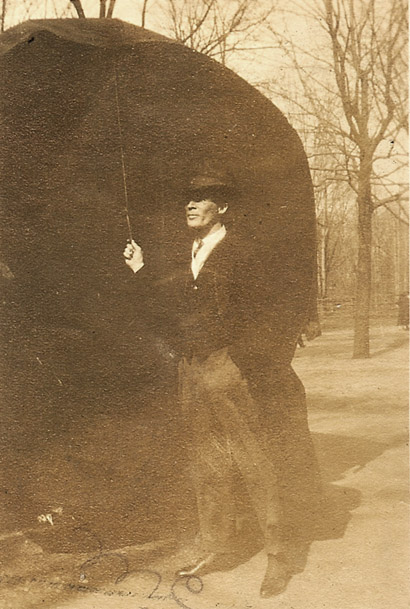 In the next photo MC seems to be holding an umbrella and wearing tails. On the other hand it looks like it’s pretty big for an umbrella. In the back is a wooden fence, but not the same one as in the tower photo. There are several people walking up and down the street too.
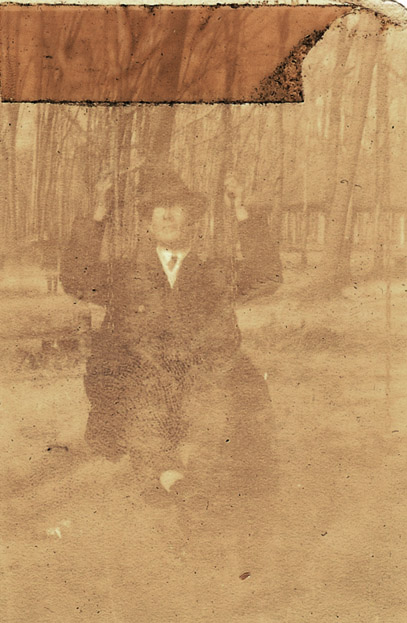 In the third photo my grandfather is swinging in the woods. In the background there is something that could be a house or other building.
These photos were around 1916 in Montgomery, Alabama. I think.
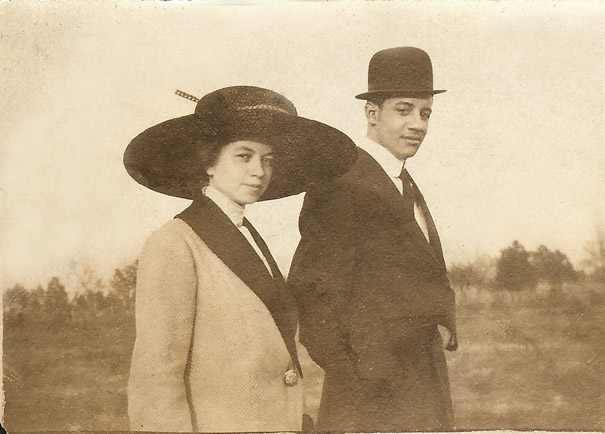 The last photo I include because they are such a cool looking couple. I know nothing beyond they were my grandfather’s friends.
For other Sepia Saturday entries with towers in them, click HERE. Other posts about my MC Graham: The Proposal, The Proposal Accepted, Poem for Poppy, Mershell’s Notebook and Poppy Could Fix Anything.
I don’t know where my grandparents were going in these photographs from the 1950s. They were traveling with a group. I know they started in Detroit and ended up back in Detroit. In between they seem to have gone to the sea shore, the far west and possibly places in between. For other train related (or not) posts, click Sepia Saturday.
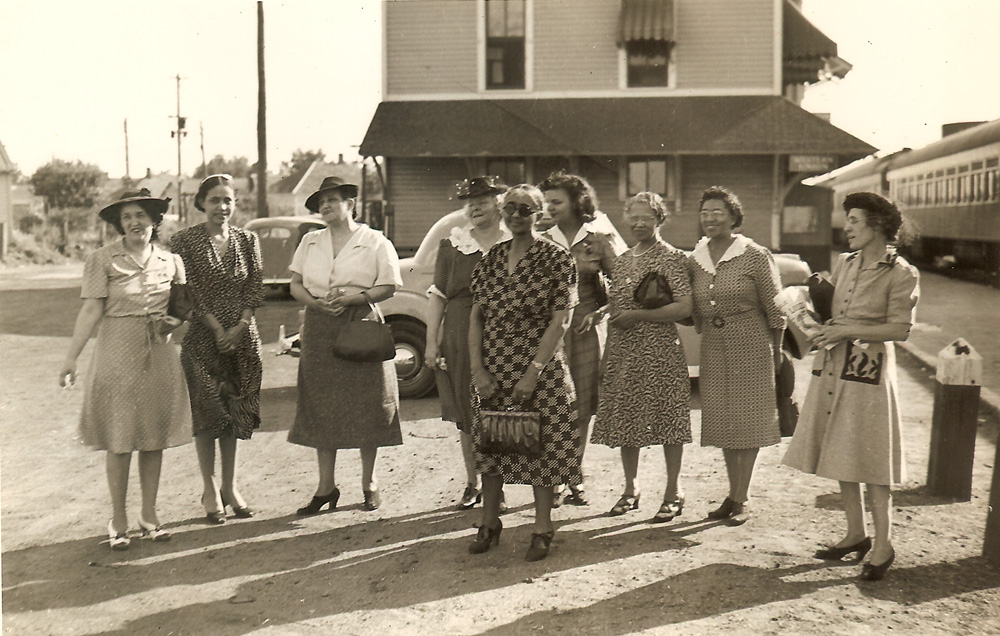
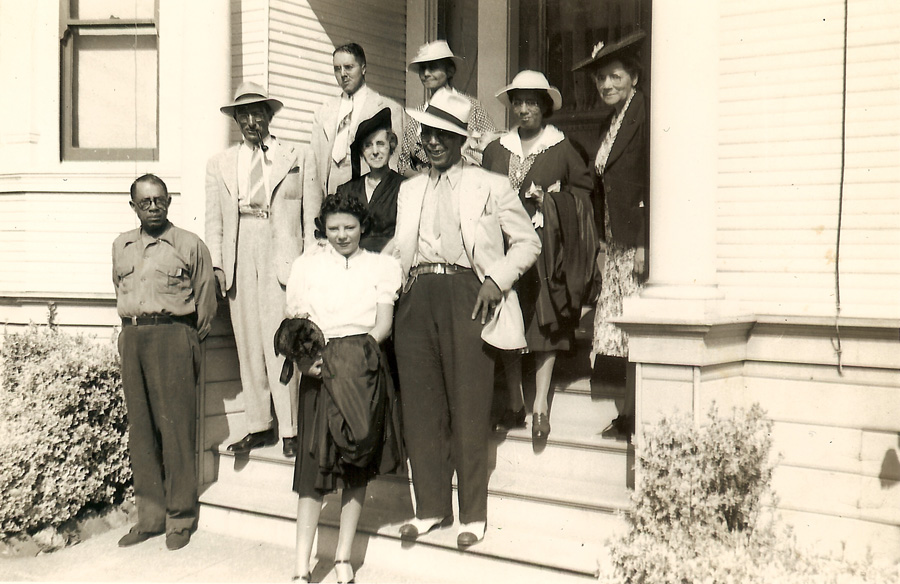
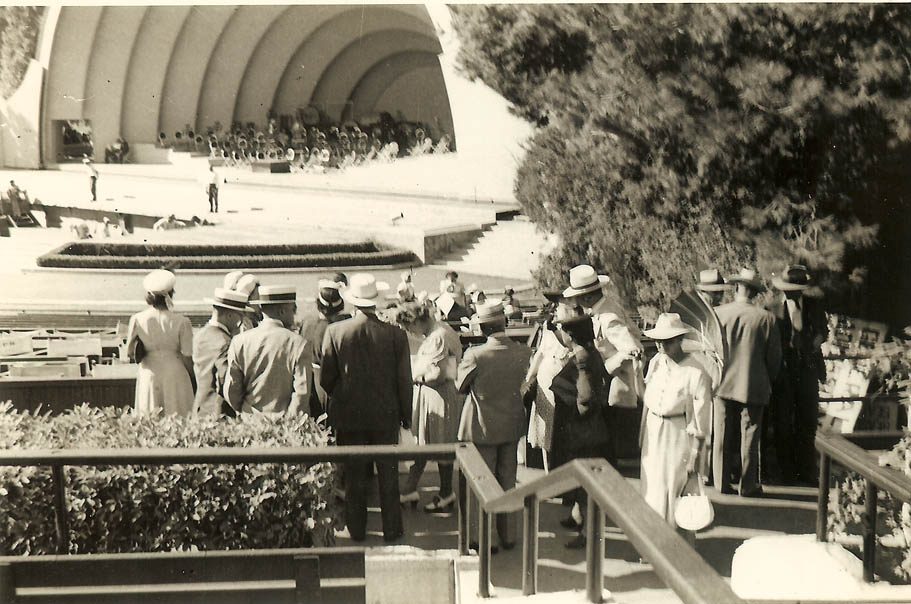
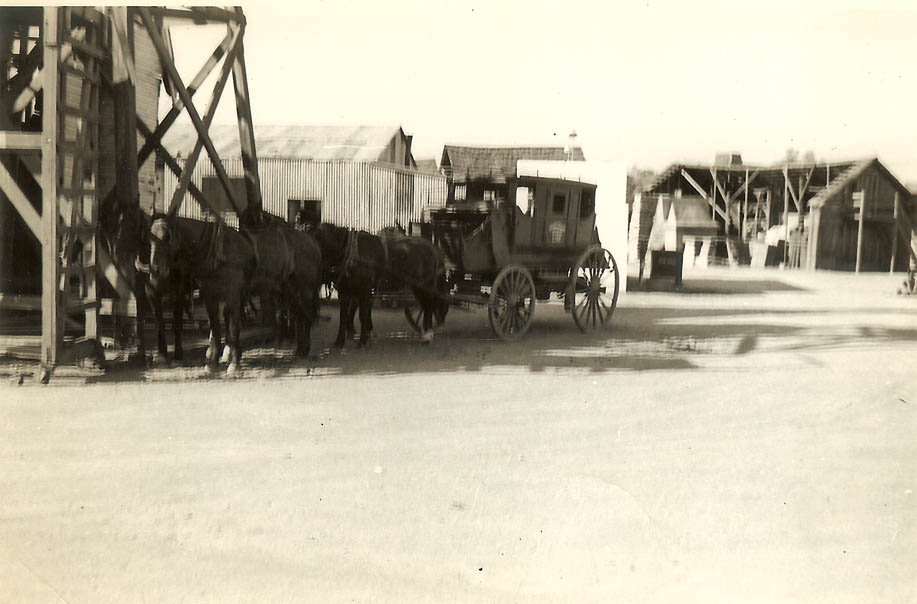
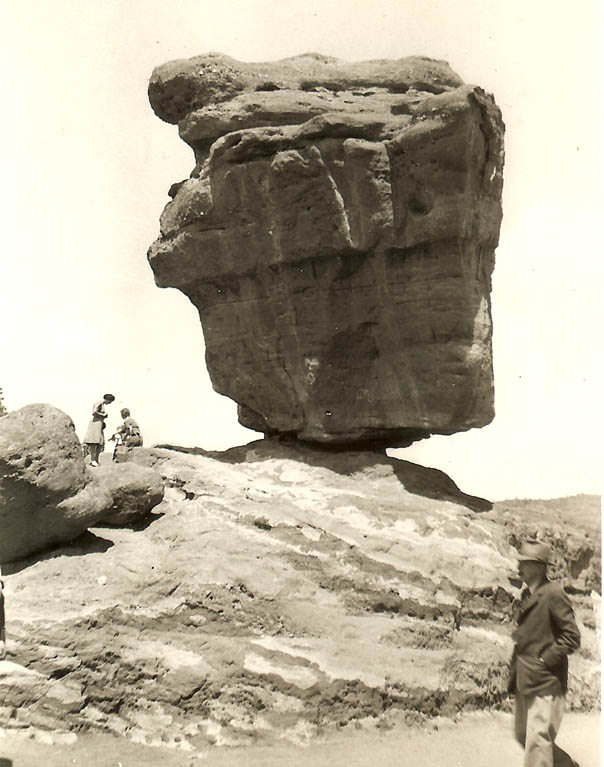
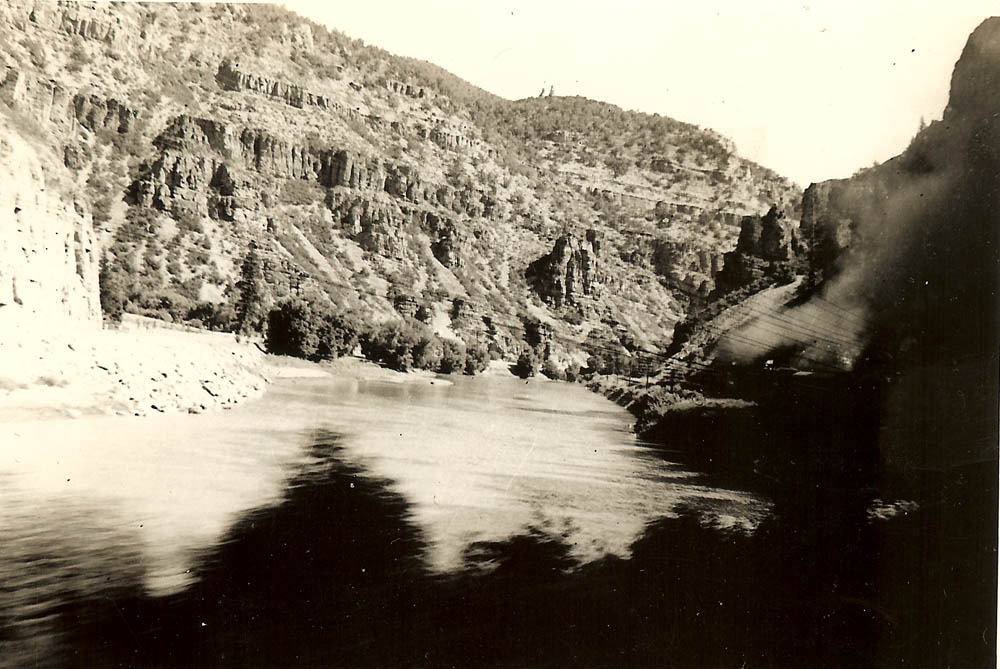
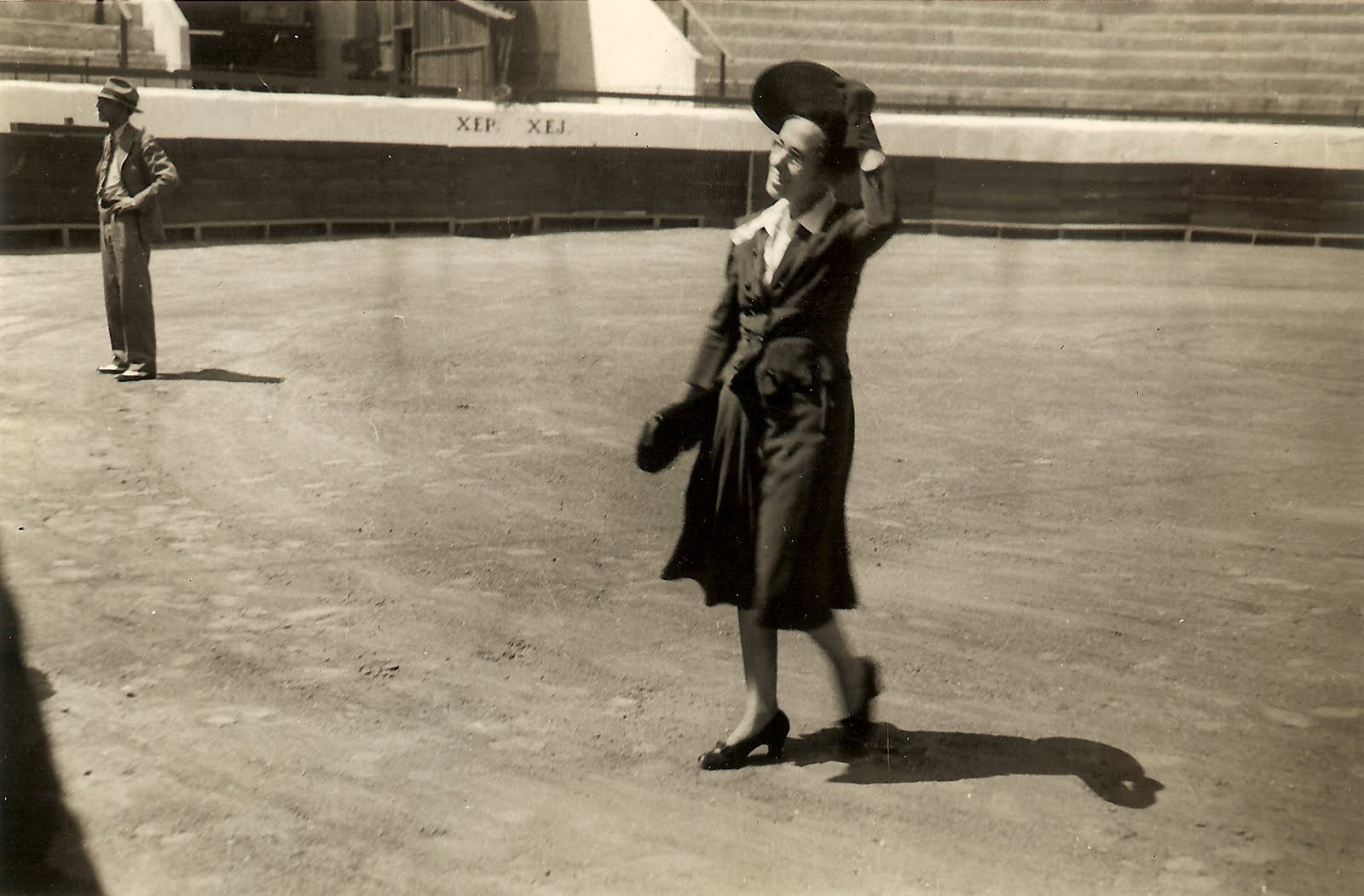
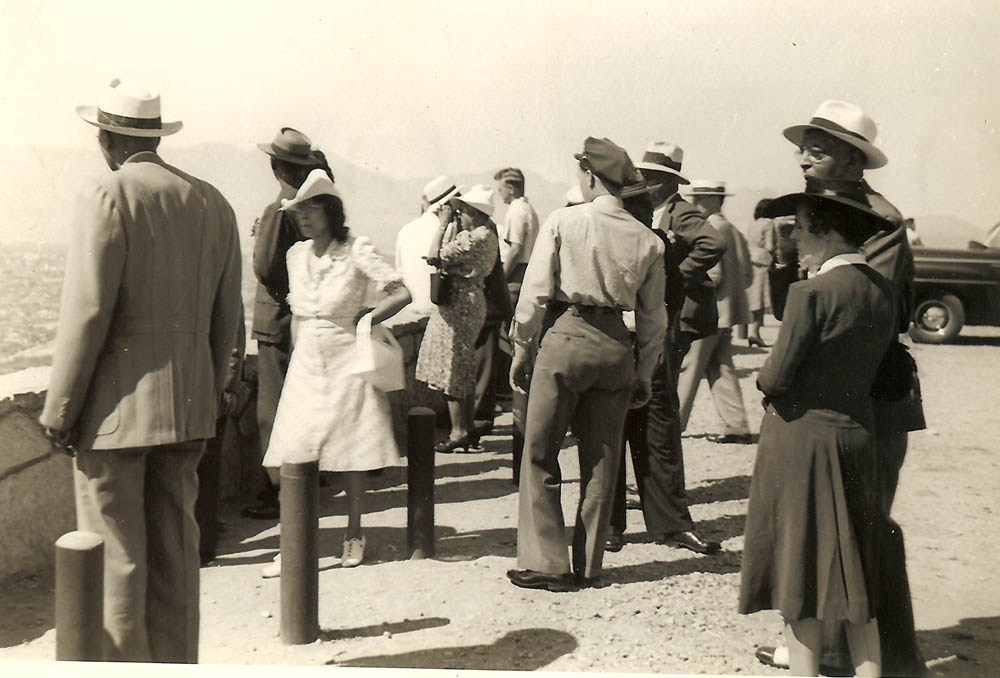

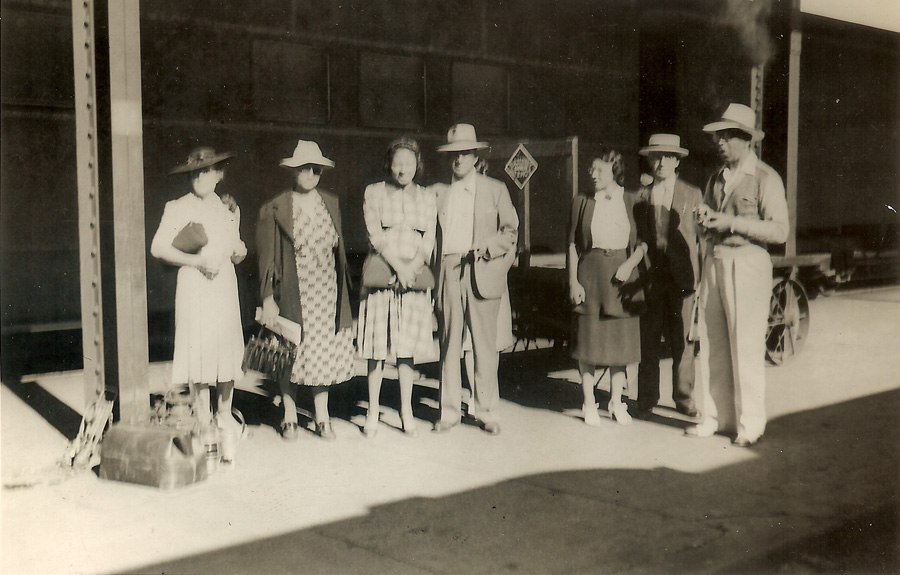 My grandparents on each end. Back on the train.
Recently I have had great luck finding important family information in online newspapers. I had not used Ancestry’s newspaper collection for a long time because it was so awkward to use. Imagine my surprise when I noticed there was a tab right up there with ‘Historical Records’ and ‘Family Trees’ called ‘Stories and Publications’. I decided to put in a few names and see what I could find. I found little items of arrests, obituaries, marriages and the article below about how my Grandmother Pearl’s sister, Sarah Reed Busby, got around the lack of sugar during WW 2 by using aspirin to can her berries. I had just heard about this article from a cousin I met several weeks ago and there it was on my computer! I took a break in the middle of writing this post to go look again and found a photograph of Robert Chivis, who I had no photo of previously. Robert is the grandson of another sister of my grandmother Pearl.
All Around Our Town
Canning Tip–Use Aspirin!
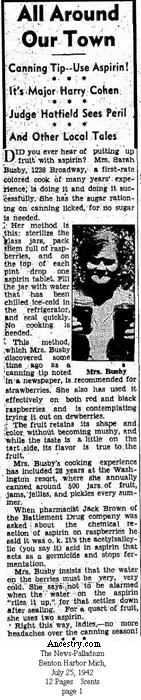 Did you ever hear of putting up fruit with aspirin? Mrs. Sarah Busby, 1238 Broadway, a first-rate colored cook of many years’ experience, is doing it and doing it successfully. She has the sugar rationing on canning licked, for no sugar is needed.
Her method is this: sterilize the glass jars, pack them full of rasberrries, and on the top of each pint drop one aspirin tablet. Fill the jar with water that has been chilled ice-cold in the refrigerator, and seal quickly. No cooking is needed.
This method, which Mrs. Busby discovered some time ago as a canning tip in a newspaper, is recommended for strawberries. She also has used it effectively on both red and black rasberries and is contemplating trying it out on dew berries.
The fruit retains its shape and color without becoming mushy, and while the taste is a little on the tart side its flavor is true to the fruit.
Mrs. Busby’s cooking experience has included 28 years at the Washington resort, where she annually canned around 500 jars of fruit jams, jellies, and pickles every summer.
When pharamcist Jack Brown of the Battlement Drug company was asked about the chemical reaction of aspirin on raspberries he said it was o.k. It’s the acetylsalicylic (you say it) acid in asprin that acts as a germicide and stops fermentation.
Mrs. Busby insists that the water on the berries must be very, very cold. She says not to be alarmed when the water on the aspirin “riles it up” for that settles down after sealing. For a quart of fruit, she uses two aspirin.
Right this way, ladies – no more headaches over the canning season!