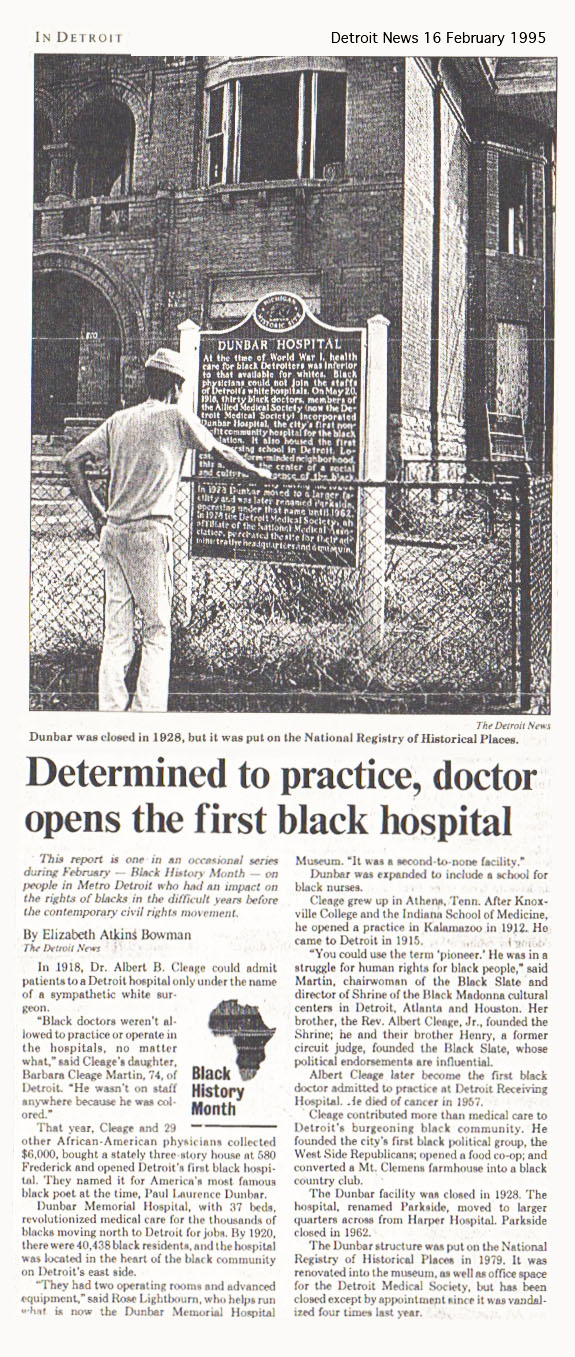
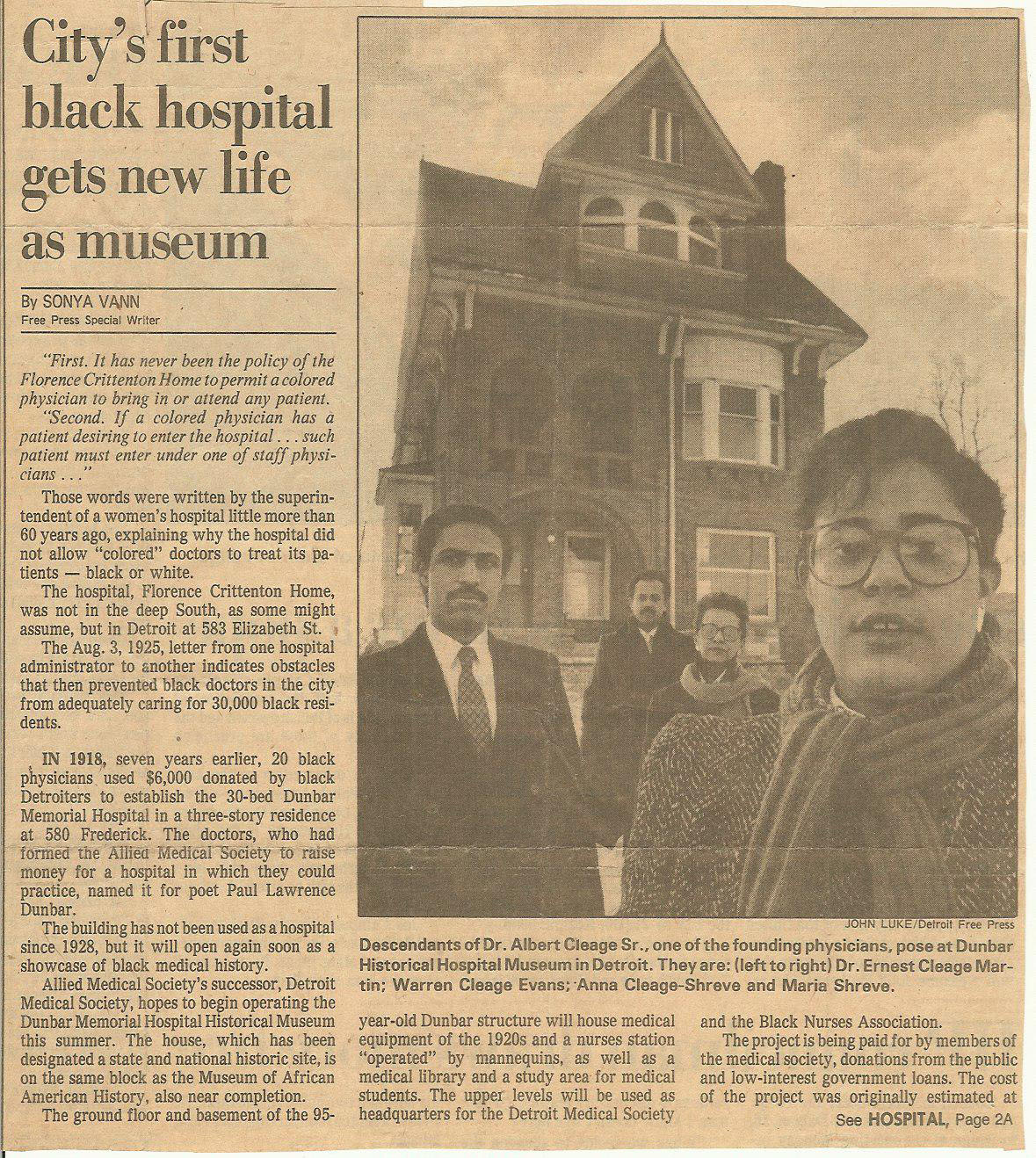
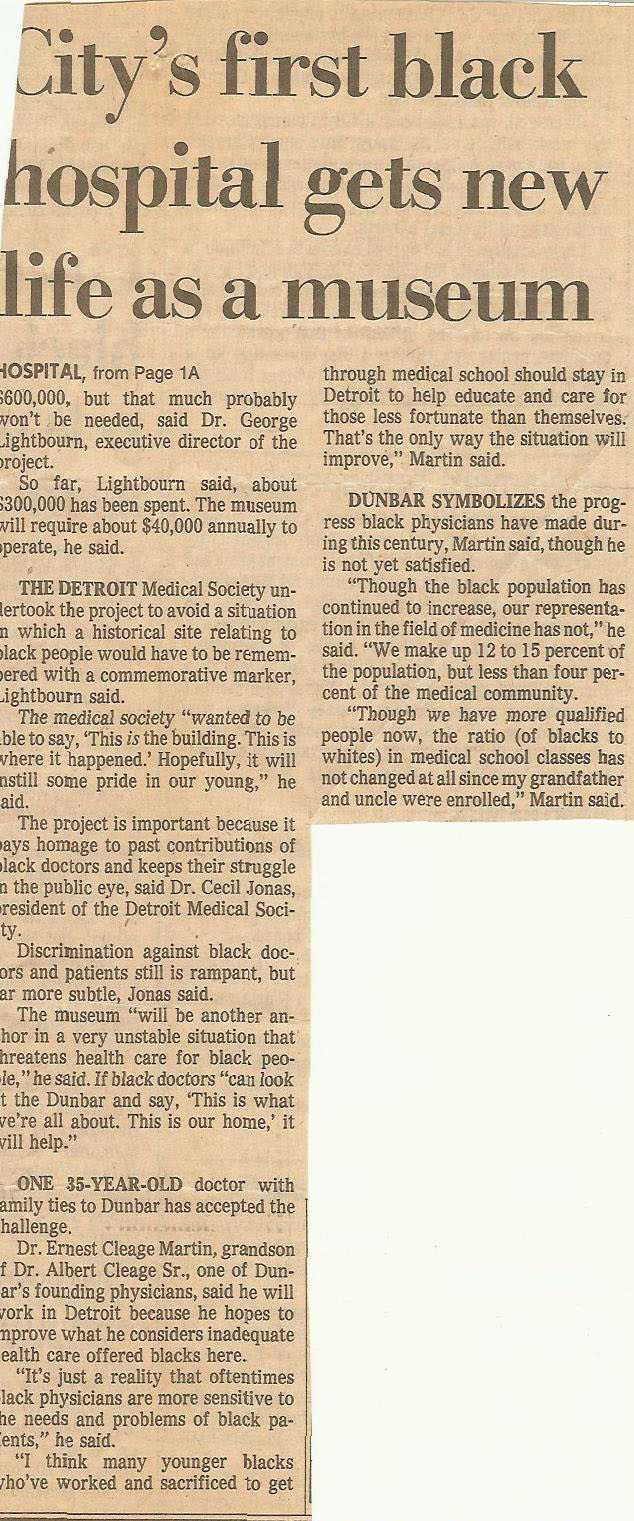
More about Dunbar Hospital which was recently saved from being sold at auction when the it was decided to let the owners pay all back taxes, fines and water bill. The article seems to be based on an interview with my aunt, Barbara Cleage Martin/Cardinal Nandi.
The sign on front lawn reads:
Dunbar Hospital: Michigan Historic Site.
At the time of World War I, health care for black Detroiters was inferior to that available for whites. Black physicians could not join the staffs of Detroit’s white hospitals. On May 20, 1918, thirty black doctors, members of the Allied Medical Society (now the Detroit Medical Society) incorporated Dunbar Hospital, the city’s first non-profit community hospital for the black population. It also housed the first black nursing school in Detroit. Located in a reform-minded neighborhood, this area was the center of a social and cultural emergence of the black residents of the city during the 1920s. In 1928 Dunbar moved to a larger facility and was later renamed Parkside, operating under that name until 1962. In 1978 the Detroit Medical Society, an affiliate of the National Medical Association, purchased the site for their administrative headquarters and a museum.
And here is an article from The Michigan Citizen about the Dunbar Hospital being saved. Let’s hope something positive is done with it now. Saving the Dunbar.
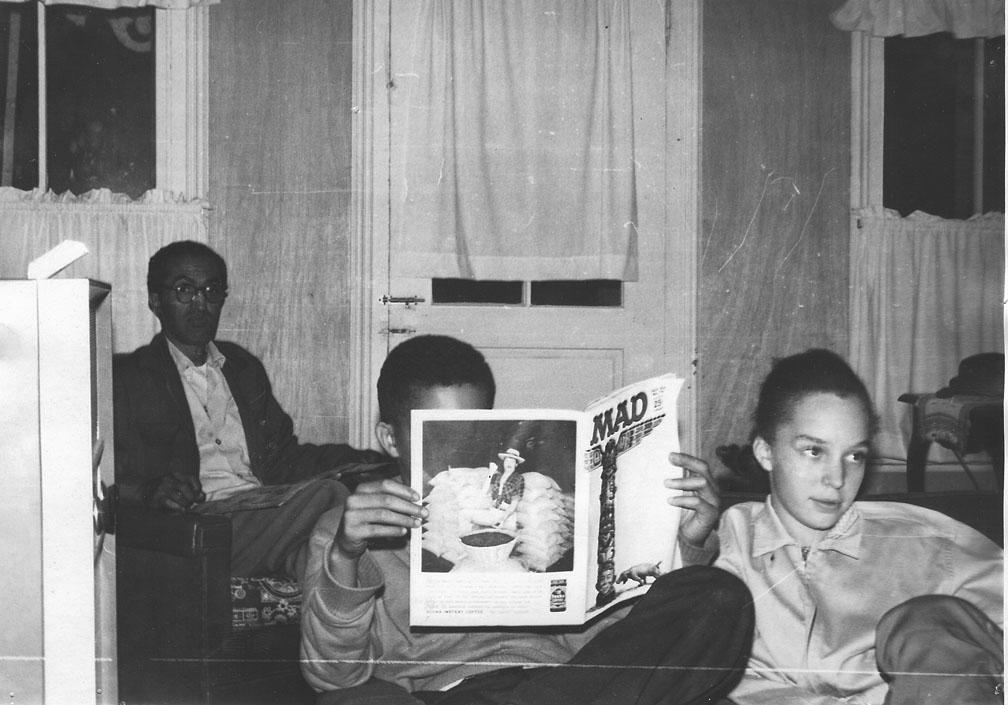
My uncle Hugh, cousin Warren and sister Pearl in the living room at Old Plank.
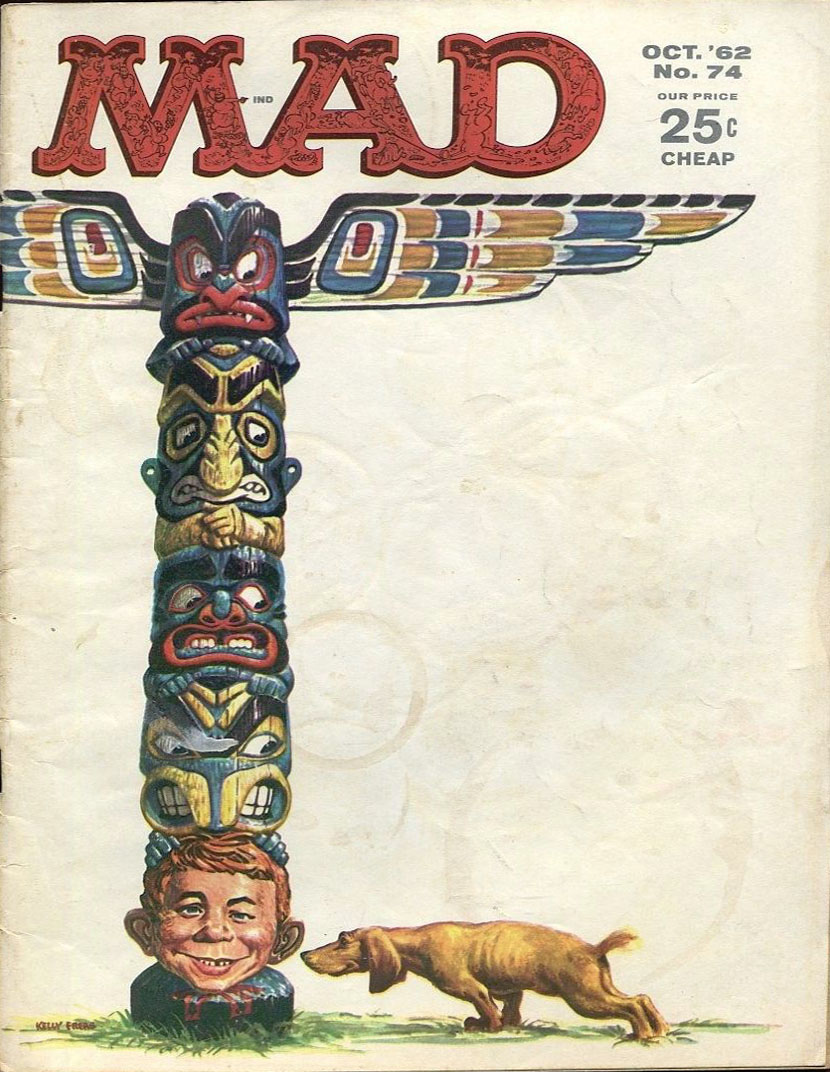
Unfortunately Warren was not reading the Saturday Evening Post in this photo, he is reading a Mad Magazine. For several years I remember copies being around the house. Such a crazy magazine.
By searching online I was able to find a copy of the cover of this issue. It is dated October 1962. The copy in the picture above looks pretty new. Everybody seems to be wearing cool weather clothes so it could well be October of 1962. Warren and Pearl were both high school freshman in 1962. Hugh was printer/owner of Cleage Printers.
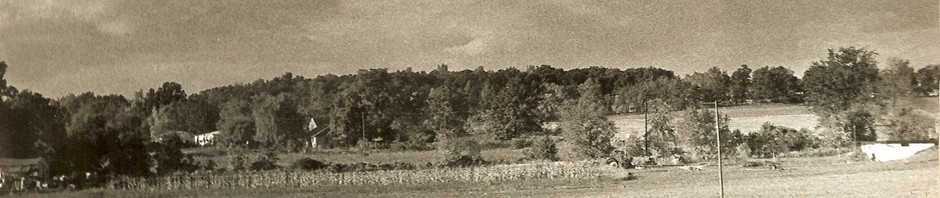
Old Plank was the farm house on two acreas that my family owned near Wixom, Michigan. We spent as much time as we could there and were often joined by other family members who also made the short drive from Detroit.
I saved this article from the Detroit Free Press years ago during the 1980s, because my grandfather, Dr. Albert B. Cleage Sr was one of the founding doctors of Dunbar Hospital and the article featured my aunt and cousins. By August 2014, Dunbar was being auctioned for unpaid taxes, after being closed up for years. I should have written the date on it. Click each article to enlarge so that you can read.
Dr. Ernest Martin, Warren Evans, Anna Cleage Shreve and her daughter Dr. Maria Shreve Benaim.
And here is an article from The Michigan Citizen about the Dunbar Hospital being saved. Let’s hope something positive is done with it now. Saving the Dunbar.
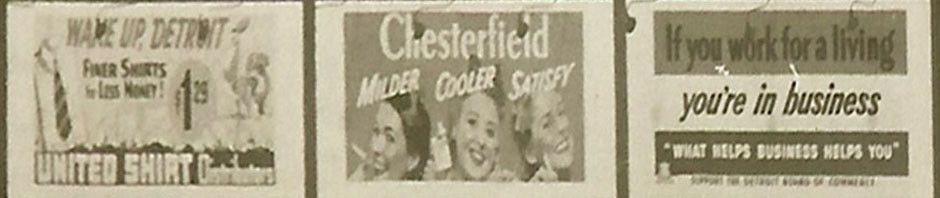
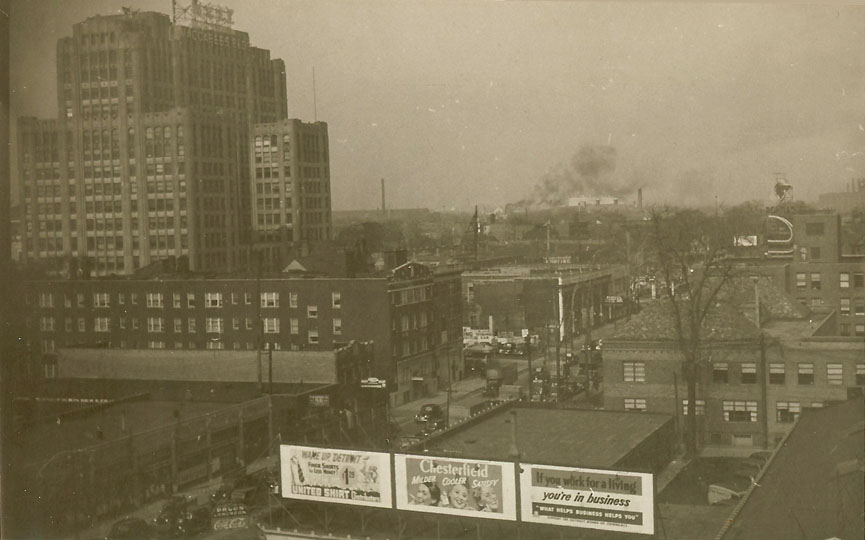
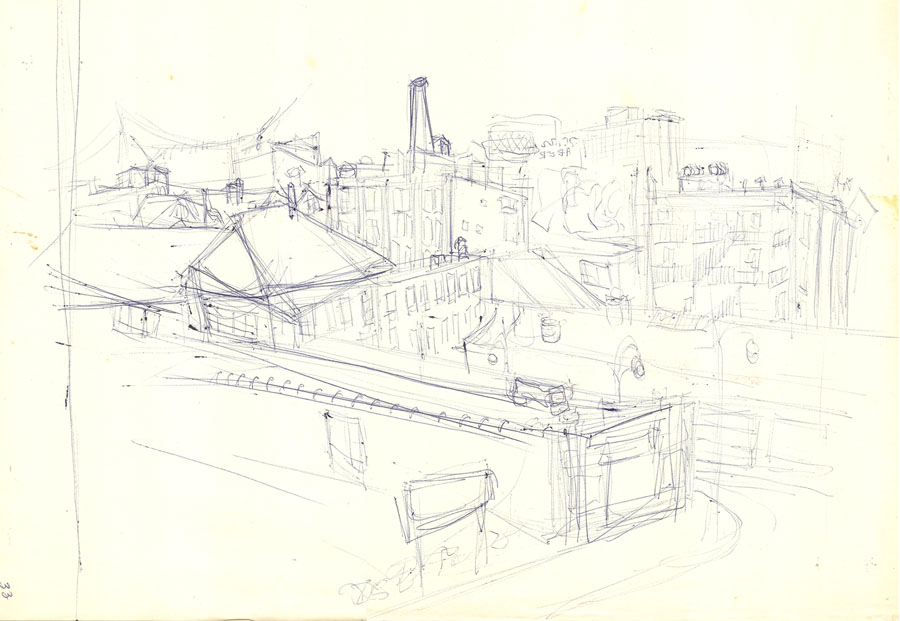
Here is a photograph including 3 signs from the early 1940s and a rough sketch of the same area that I did in 1968. Both were taken from upper floors on Wayne State University buildings looking on Cass Ave. I did the sketch from an upper floor of State Hall. I believe that the photo was taken from Old Main, (the only tall building facing that direction on campus at the time), by my uncle Henry Cleage while he was a student at Wayne.
After looking on Google maps, I no longer think this was taken from Old Main, looking down Cass. I wonder where it was taken from because that is definitely the Macabee building.
Photograph taken from Old Main in the early 1940s
The Macabees building on the upper left corner use to hold the Detroit Board of Education. My husband and I went and picketed there the first day we met, in support of the Northern high school student boycott in the spring of 1966. You can read more about that in I Met My Husband in the Library.
I received some photographs from my friend Historian Paul Lee recently of Dunbar Hospital in Detroit. My paternal grandfather was one of the physicians and founders back in the 1920s. I combined the photo from July 2014 with a photograph from 1922. You can read more about Dunbar Hospital in previous posts at these links A Speech on the Graduation of the first class of nurses, Births, Deaths, Doctors and Detroit, Part 2. Click to enlarge the photograph.
I have linked this post to the Family Curator’s World Photography Day post. I participated in 2011 with a post of photographs from Springfield, Then and Now.
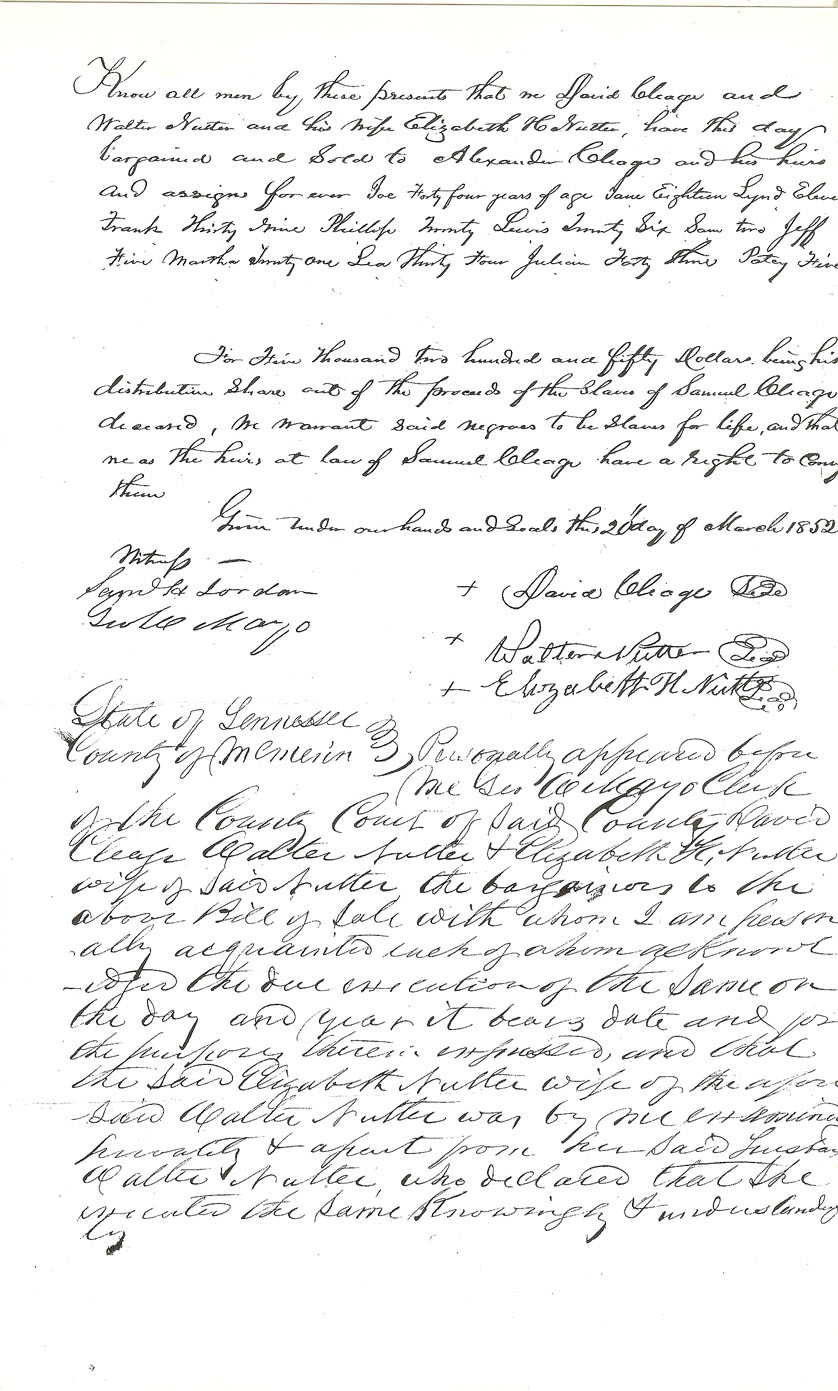
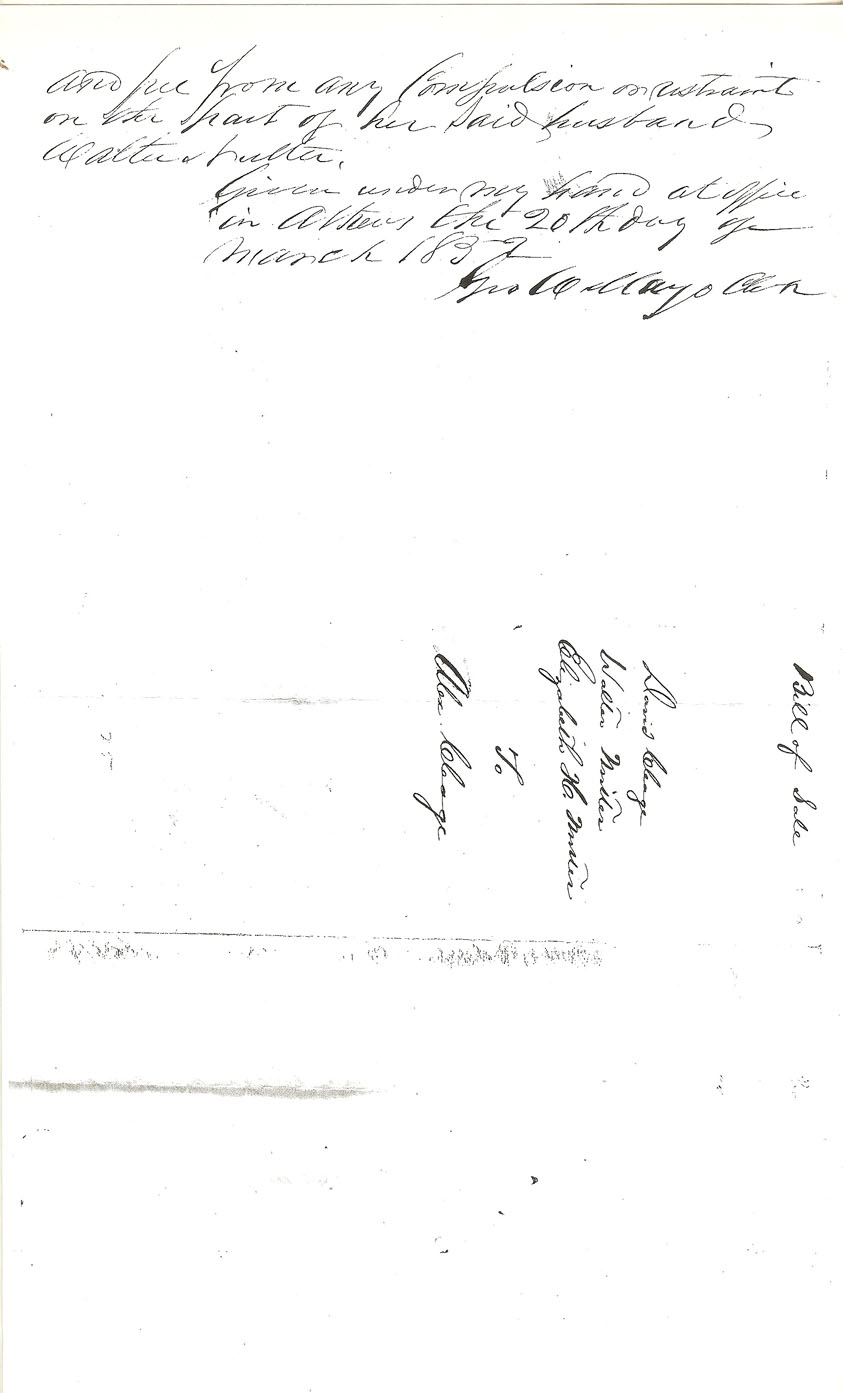
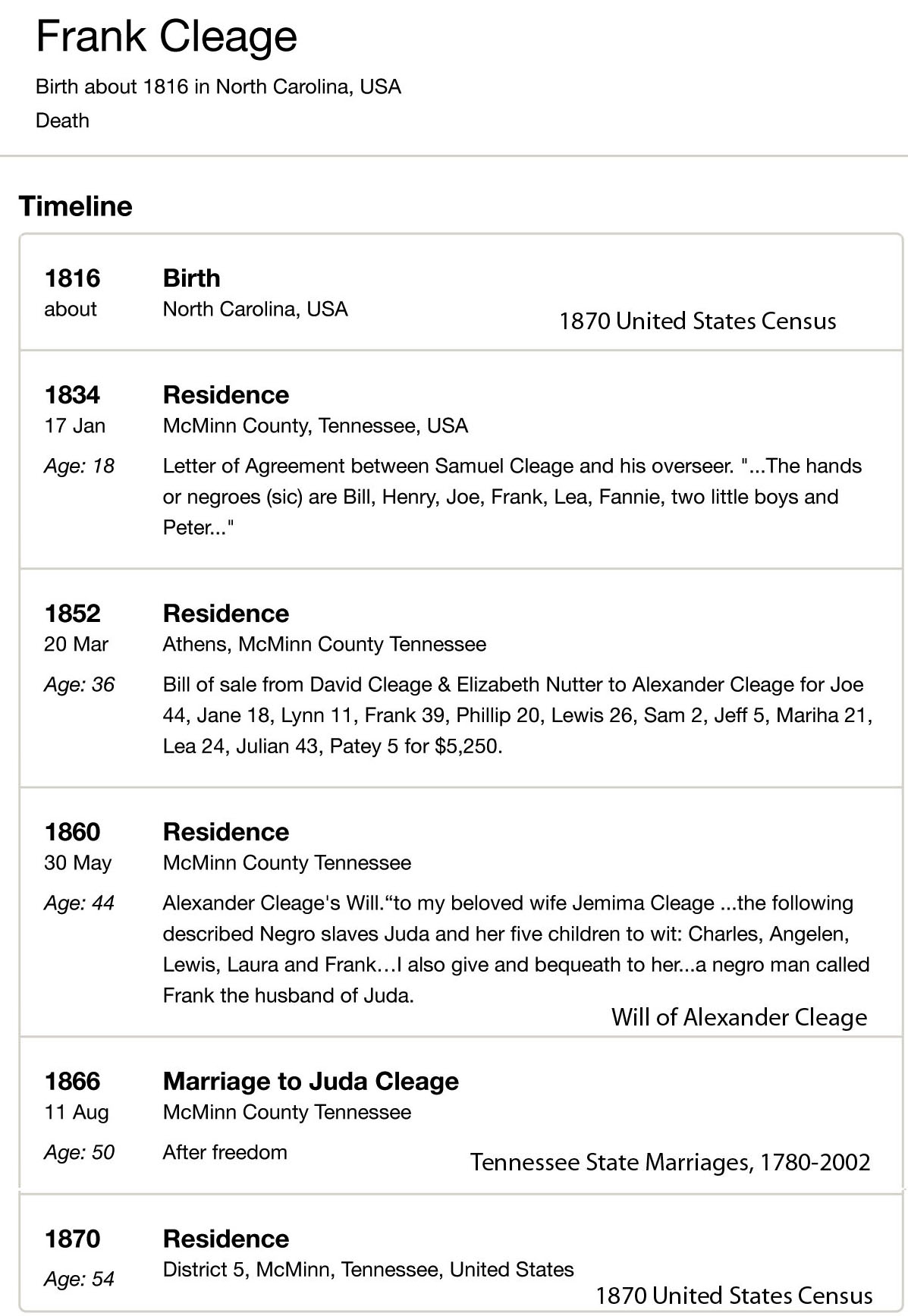
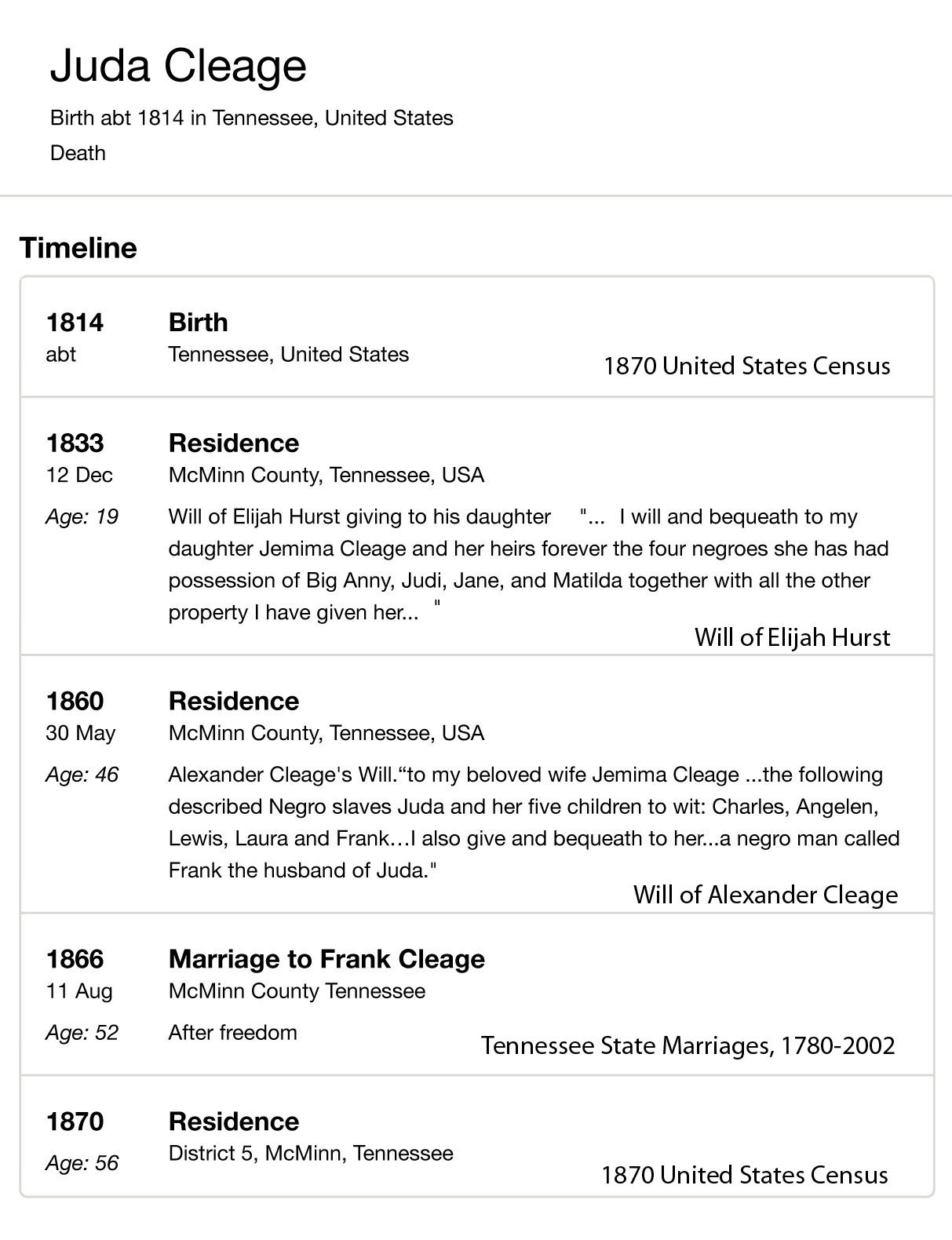
When I started looking for signatures, I thought it would be easy because I have many letters through the generations. The problem was that they did not sign letters with both first and last names. Some repeatedly used nicknames. I was able to find most signatures by searching through documents – marriage licenses, social security cards, deeds, bills of sale and group membership cards. I finally found my sister’s signature in the return address on an envelope and if I’d thought of it sooner, might have found others in the same place.
The first page from my great grandmother, Jennie Virginia Allen Turner’s memory book. My mother’s, mother’s mother. The first generation born out of slavery and the first literate generation. I believe that she and her siblings all attended schools founded by the Congregational Church in Montgomery, AL after the Civil War.My great grandfather Howard Turner was born in 1862 in Lowndes County, AL. He was literate but I do not know what school he and his siblings attended. I do not have a photograph of him but I did find his signature on my great grandparents marriage license.My great grandmother’s brother, Ransom Allen.My great grandmother’s oldest sister, Mary Allen McCall.
My paternal grandmother Pearl Reed Cleage. I found her signature on some legal papers because all of the letters I have from her were signed “Mother”. I know that she graduated from high school in Indianapolis, IN and received all of her education in Indianapolis but I do not know the names of the schools. Her signature came from a Marion Indiana Probate record for her older brother’s will in 1946.
My paternal grandfather, Dr. Albert B. Cleage Sr. He attended the Athens Academy in Athens TN, Knoxville College and the Indiana Medical School in Indianapolis, IN. His signature came from his marriage license in 1910.
My maternal grandmother, Fannie Mae Turner Graham. Jennie’s daughter, she was educated in Montgomery, AL at State Normal which was a school from elementary to high school, started by the Congregational Church for Black students. Her signature came from the 1910 Montgomery Census form via ancestry.com. She was an enumerator.
My maternal grandfather Mershell C. Graham. My mother said he taught himself to read. The 1940 census said he finished 8th grade. From Coosada, Elmore Countty, Alabama. His signature came from his WW1 Draft registration card in 1917 via ancestry.com.
My father Albert B. Cleage Jr. His nickname was Toddy and he often signed his letters home Toddy. He attended Wingert elementary, Northwestern High, Wayne State in Detroit and Oberlin University in Ohio. His full signature came from a Purchaser’s recipt in 1957 for a building Central Congregational Church wanted to buy.
Doris Graham Cleage, Fannie’s daughter, my mother was born in 1923 in Detroit, MI. She attended Thomas Elementary School, Barbour Intermediate, Eastern High and Wayne State University in Detroit. Her signature came from a State of Michigan Teacher Oath in 1964. The “Doris” came from a letter home from Los Angeles in 1944.
My younger sister Pearl Michell Cleage is Jennie’s great granddaughter. She attended Roosevelt Elementary School , McMichael Junior High School and Northwestern High School in Detroit. She also Howard and Spellman Universities. Her signature came from the return address on a letter in 1991.
My own signature. Another great granddaughter of Jennie, I was raised in Detroit and attended Brady and Roosevelt Elementary Schools, Durfee and McMichael Junior High Schools, Northwestern High School and Wayne State University, all in Detroit. The bottom signature came from my third daughter’s birth certificate in 1976. The top one came from a deed for the sale of the house on Oregon where I was a witness in 1968.
Flyer for political rally. – click all images to enlarge.
BLACK POWER POTENTIAL: Black Power advocate Stokely Carmichael (later Kwame Ture, right at mic) endorsing the political candidacies of law student Kenneth V. Cockrel, Sr. (left of Carmichael) and Shrine of the Black Madonna founder Rev. Albert B. Cleage, Jr. (later Jaramogi Abebe Agyeman, fourth from left, hands in pockets), Jeffries Projects, Detroit, July 30, 1966. PHIL WEBB PHOTO/THE DETROIT NEWS. (See link to article this photo accompanied at the end of this post.)
Another News photograph from the rally. Rev. Albert B. Cleage Jr., Leontine Smith, Oscar Hand, Stokely Carmichael.
Below is a newsletter from the Cleage for Congress campaign.
Unfortunately neither my father or Ken Cockrel won. I remember passing out campaign literature at Jefferies Projects all day with Jim, now my husband, and attending Ken Cockrel’s “Victory Party ” that night in a flat on Wayne State University’s campus. I just remember it as being almost devoid of furniture and dusty. Jim and General Baker gave me a ride home after midnight where I found that my father, who was supposed to tell my mother that I was going to the party and would be late, got involved in his own after election activities and forgot. Talk about talking fast. I was 20 years old.
To bring history back to the present, read The Roots and Responsibility of Black Power – a reprint in The Michigan Citizen of remarks by historian Paul Lee made at the Detroit City Council meeting on Tuesday, April 3, 2012. He wasaddressing the takeover of the government of the majority-Black city of Detroit by Michigan’s Republican governor. He appealed to their sense of history, to the struggle that Detroiters had gone through in the past to gain political power. The Council voted to turn the city over to a manager appointed by the governor.
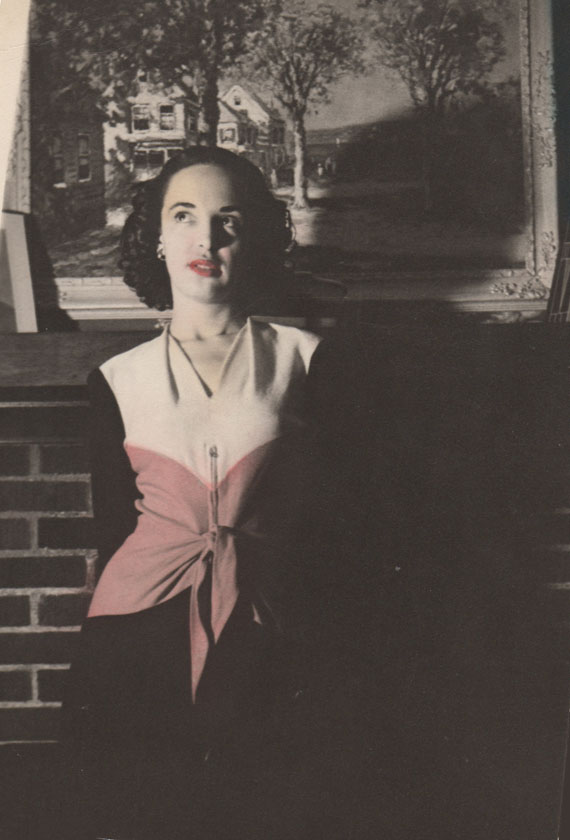
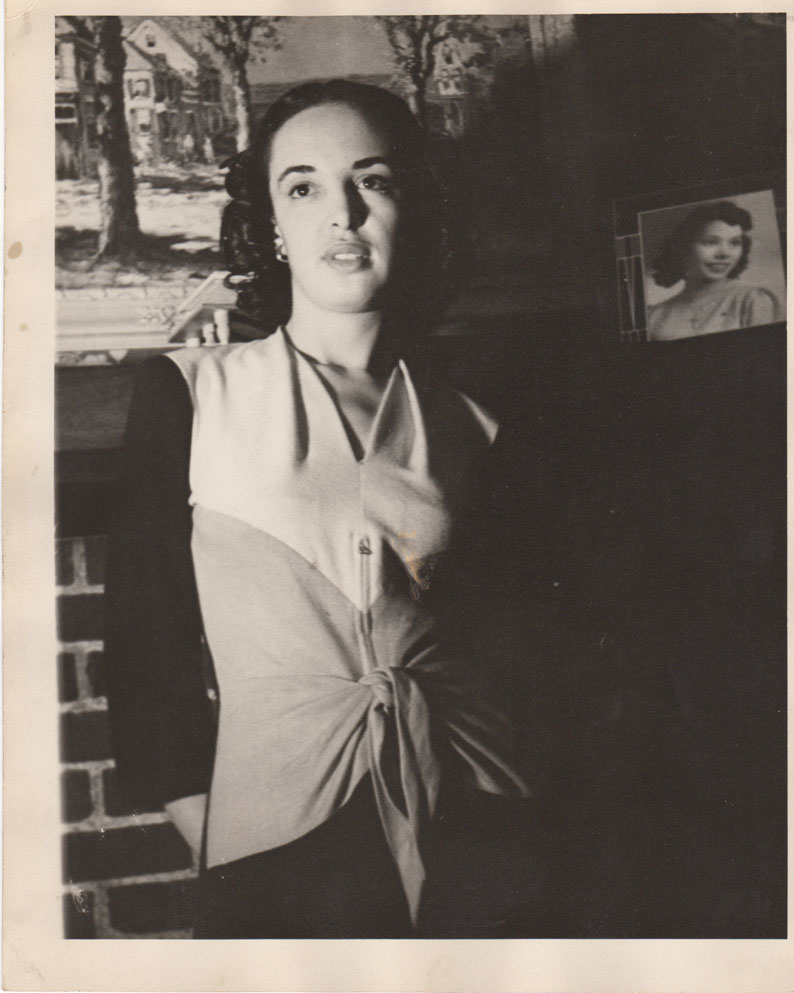
I had forgotten all about my Aunt Barbara’s 2nd wedding to Ernest Smith until a friend sent me these strips. It took place the day after Christmas, December 26, 1966. You can see the Christmas tree in the first frame, first strip. My grandmother never put the tree up before Christmas Eve. The marriage was short lived and ended after several years. Barbara became Cardinal Nandi and went on to successfully manage the Bookstores and Cultural Centers of the Shrines of the Black Madonna.
You can click to enlarge the pictures a bit.
At the church.The reception on Atkinson at my Grandmother’s house. There I am in the first frame, between my cousin and my sisterMore from the reception.
It was 1968. In the United States and around the world there were demonstrations, wars in Vietnam and Biafra, police actions in Mexico and Chicago, riots and tanks in the streets of Prague. Martin Luther King and Robert Kennedy were assassinated. People fighting for their rights were wondering how to change their tactics to fit the repression.
Today is the 103th Anniversary of the birth of my father, Albert B. Cleage Jr (Aka Jaramogi Abebe Ageyeman). In remberance, I am posting his sermon notes from June 23, 1968 where he preached about changes needed to program ourselves for Power instead of slavery. Click to enlarge.
Pearl and Albert with their children and 3 of the grandchildren. My sister and I were at our other grandmothers and the youngest 4 were not yet born. 1951.
Because my family seemed to socialized mainly with each other and a few long time family friends, I saw a lot of my aunts and uncles. When I was growing up, we spent every Saturday with my mother’s sister, Mary V. and her daughters at our maternal grandparents. We all rode over and back together. We also lived down the street and went to the same school so we saw her often.
My father’s family was very close and worked on political and freedom causes together through the years. We all went up to Idlewild together. Uncle Louis was our family doctor. My first jobs were working with Henry and Hugh at Cleage Printers. I babysat one summer for Anna and Winslow. I worked at North Detroit General Hospital in the pharmacy with Winslow. I worked with Gladys and Barbara at the Black Star sewing factory. My mother married my Uncle Henry years after my parents divorced so he was like a second father to me. I raked their memories for stories about the past for decades.
My mother and her sister with cousin Dee Dee inbetween. Front row: Me, sister Pearl and cousin Barbara.
Aunts by blood and Uncles by marriage.
Aunt Abbie – my great grandmother Turner’s sister.
I had 4 aunts and 5 uncles, by blood. Two of my uncles died when they were children so I never knew them. All of my aunts married so there were 4 uncles by marriage. Three, Ernest, Frank and Edward, were eventually divorced from my aunts. I didn’t see them very much after that. Ernest lived in NYC and only appeared now and then so I didn’t know him very well beyond the fact he was very good looking and polite. Uncle Frank, who we called ‘Buddy’, was a an electrician. I remember him taking us to Eastern Market and boiling up a lot of shrimp,which we ate on soda crackers. And a story he told about a whirling dervish seen in the distance that turned into a dove. Edward, who we called Eddie was a doctor and I remember little about him except he was quiet and when I had a bad case of teenage acne, offered to treat it for me. Uncle Winslow was there to the end. I saw him often and I felt very connected to him. He had a wicked sense of humor and liked to talk about the past when I was in my family history mode. None of my uncles were married during my lifetime so I had no aunts by marriage.
We didn’t call our aunts and uncles “aunt” and “uncle”. We called them by their first names only. I did know two of my great aunts, my maternal grandmother’s sisters, Daisy and Alice. I knew one of my 2 X great aunts, Aunt Abbie. She lived with my grandparents until she died in 1966. Aunt Abbie was Catholic and I still have a Crucifix that she gave me.
I remember calling Daisy “Aunt Daisy”, but Alice was just “Alice”. Aunt Daisy had a distinctive voice and she laughed a lot. I remember going to dinner at their house once, and going by on holidays.
My maternal grandmother’s sisters, Aunts Alice and Daisy. On Bob-lo Island 1961.
There were a host of great aunts and uncles that I never met but I knew from stories about them so that I felt like I knew them. Aunt Minnie and Uncle Hugh were my paternal grandmother’s siblings. I must have met several of my paternal grandfather’s siblings but I was small and don’t remember them, Uncle Jake, Uncle Henry, Aunt Josie and their spouses. And on the maternal side I heard so much about my great grandmother Jennie’s siblings that I felt I knew them too. When I started researching, these were not strangers – Aunt Willie, Aunt Mary, Aunt Beulah, Aunt Anna.
2X Great Grandmother Eliza and her children. My 2X great aunts and uncle. Aunt Mary, Ransom, Aunt Abbie, Aunt Beulah, Eliza, Great Grandmother Turner, Aunt Anna and Aunt Willie. Don’t know why Ransom was just ‘Ransom’.
We didn’t call any of my parent’s friends ‘aunt’ or ‘uncle’. Not surprising since we didn’t call our own aunts and uncles, ‘aunt’ and ‘uncle’.
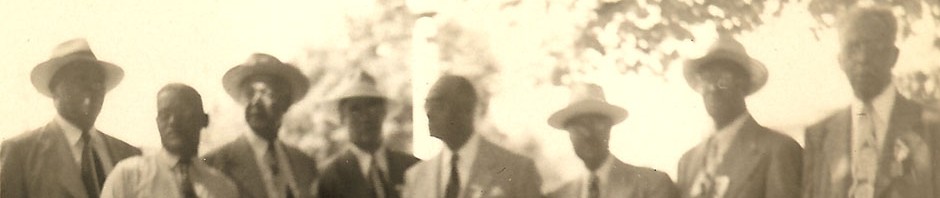
Left to right: My grandfather Albert Cleage with my great aunt and great uncles, Aunt Josie, Uncle Ed. Back L Uncle Henry, back R Uncle Jake.