For this year’s April A-Z Challenge I am blogging a series of sketches about the free people formerly enslaved on the Cleage plantations in Athens, Tennessee and their descendents. Click on any image to enlarge.
Ralph “Pete” Cleage. 1920 – age 22. Original photo from Old Knoxville Base Ball Website. Thanks to Mark D. Aubrey for use of the photo.
Ralph “Pete” Cleage was born January 25, 1898 in Athens, Tennessee. He was part of the second generation of his family born free. The son of Florence Cleage and grandson of Jerry Cleage, he grew up surrounded by extended family. Ralph, his mother and his siblings, Harriett and William, lived with his Aunt Nellie Cleage Deadrick and her daughter Delia, until he was about 21. Florence was a cook and Nellie was a laundress. The children all attended school. Ralph completed three years of high school. He worked as a laborer and as a truckman for the railroad. Ralph was 5’11”, weighted 180 lbs and had dark hair and dark eyes.
Ralph’s mother Florence, died June 4, 1918 of typhoid fever. She was 40 years old. She was buried in Hammond’s cemetery. Ralph’s grandfather Jerry Cleage died the following year on March 28, 1919 of arteriolosclerosis. He was 92 years old.
The next year found Ralph playing baseball with the Knoxville Giants, a black baseball team. He played first base and later became a respected umpire. The players worked other jobs to support themselves as they did not make enough to live on. You can find more articles on Knoxville’s black baseball players at Old Knoxville Baseball by clicking the link.
Ralph married Carrie Sweat about 1934. He lived in Knoxville and eventually moved to Nashville where he continued his baseball career. He worked as a watchman and a laborer to supplement his income. You can see his Baseball Stats at this link. Here are a few articles from Mark D. Aubrey’s Old Knoxville Baseball page that mention Ralph Cleage. The Winston-Salem article is from www.newspapers.com
The Journal and Tribune – June 8, 1921
The Journal and Tribune – June 22, 1921
The Journal and Tribune – June 29, 1921
Ralph died on October 29, 1977. He was 79 years old. Because he died so recently, his death certificate is not available online. Ralph is buried in Crestview Cemetery, the largest black cemetery in Knoxville. Like many of the African American cemeteries I have found during this challenge, it started out well kept and went into a decline in the 1960s until it was covered in brush and weeds. A clean up effort started in 1990 and it is reported to be in much better condition now.
For this year’s April A-Z Challenge I am blogging a series of sketches about the free people formerly enslaved on the Cleage plantations in Athens, Tennessee. Click on any image to enlarge.
Unknown woman
As I was researching Abraham and Amanda Cleage who started in Athens, TN and went to Austin, TX and on to Los Angeles, CA, I came across another Abram and Amanda in Little Rock Arkansas. I first found Amanda and her card from the Freedman’s Bank in Little Rock. This was the first and only such card I have come across. Below is her story as I pieced it together.
Amanda’s Freeman’s bank card on the left. On the right is the card of the woman she worked for.
Amanda was born into slavery about 1858 on the plantation of Thomas Watts Clegg in Jefferson County Arkansas. She was the daughter of Abram and Fanny Clegg. There were a total of twelve slaves and two slave dwellings. Amanda’s younger brother Benjamin was born in 1867. Her father, Abram, died soon after Benjamin’s birth.
The family lived in Jefferson County until Amanda was nine years old when they moved to Little Rock, Arkansas. In the 1870 census, Fanny said she was born in Tennessee. Fanny worked as a cook while Amanda worked as a servant. She opened an account with the Freedman’s Bank in 1871 and was able to sign her own name. I hope she did not lose much money when the bank failed in 1874.
Benjamin married and had a son, Benjamin Jr., who was born in 1892 in Arkansas. Amanda married a Mr. Love in Arkansas. both of these marriages ended, due to death or divorce. Their mother Fanny died before the move to Kansas City, Missouri.
In 1893 twenty five year old Amanda married Hezekiah Powell, age forty three, in Kansas City. Benjamin joined them and shared their home through the years while working as a porter and later a bootblack. Hezekiah owned and operated restaurants and hotels through 1911. Amanda worked as housekeeper, cook and laundress. She gave birth to one child who died young.
Around 1912 Hezekiah went into the shoeshine business, where he continued for the next 28 years. Benjamin worked as a boot black in his brother-in-law’s business. Amanda worked off and on as a servant or maid.
On January 2, 1929 Benjamin died in an automobile accident that resulted in a fractured skull. Amanda was the informant on the death certificate. She reported that he was married, that his parents were Abram Clegg and Fanny Clegg, and that Fanny was born in Tennessee. Benjamin was 62 years old.
On September 28, 1932, Hezekiah died when he fell asleep while smoking and set himself on fire. Once again, Amanda was the informant on the death certificate. He was born in South Carolina. She did not know who his parents were. Hezekiah was 82 years old.
On December 20, 1936, Amanda died of heart problems. The informant was Pearl Smith from Chicago and she did not know the names of Amanda’s parents. Amanda was 78 years old.
I hope the living of their lives was not as hard and sad as the reading about them was.
_________________
Were they were tied to my Athens, TN Cleages? I think they were not. Another question that came up was, if the Amanda who married Hezekiah was Amanda Clegg because she was listed on the marriage record as Amanda Love. I was unable to find a marriage record for Amanda and Mr. Love but, she said on the 1900 census that this was her 2nd marriage and after comparing all the addresses for Benjamin and the Powell’s over the years and finding that they lived together so much of the time I concluded that she was Amanda Clegg. Finding Benjamin’s death certificate with Amanda as the informant sealed the case for me.
For this year’s April A-Z Challenge I am blogging a series of sketches about the free people formerly enslaved on the Cleage plantations in Athens, Tennessee. Most are not related to me by blood, although our families came off of the same plantations – those of Samuel, Alexander and David Cleage. Click on any image to enlarge.
The Appalachian Exposition was held in Knoxville in 1910. My grandparents (Albert and Pearl Cleage) went there on a trip to Athens soon after they were married. I hope the other Pearl Cleage was also able to attend.
I feel like I am sketching out the basic outline for a deeper and richer story. I really don’t have time to do them justice during this challenge. Hopefully I will work more on them after I recover from the A to Z Challenge.
Pearl’s father Peter Cleage was born into slavery in 1817 in Alabama. He ended up in McMinn County Tennessee. In 1834, a Peter who is probably this Peter, appears in a letter from slave holder Samuel Cleage to his overseer. You can read the letter in this post Article of Agreement Between Samuel Cleage and Overseer – 1834.
In 1870 Peter Cleage and his wife Nellie, were living next door to my 2X great grandparents, Frank and Juda Cleage, and their family. Peter owned no property worth mentioning and worked as a laborer. He was 53. Nellie was 52.
Nellie died soon after this census was taken. In 1871, Peter Cleage married Margaret Guthrie. He was 54 and she was 20. They had 7 children together. Five of them lived to grow up. The parents were unable to read or write but all of their children were literate.
Peter and Margaret (Guthrie) Cleage’s Family Tree.
Pearl was born in 1887. She is a part of the same generation as my grandparents.
Pearl’s sister Lydia Cleage (This is a different Lydia Cleage than the one that appeared as L is for Lydia Cleage) married Harrison Boyce in 1899. Pearl Cleage was eight years old in 1900. Peter Cleage was dead. Margaret, and two of her daughters (Pearl and Angelina) moved from Athens to Knoxville to live with Lydia and her husband. Her older daughter, Susan married and remained in Athens for the rest of her life.
Harrison, Lydia’s husband, worked as a day laborer. This extended family continued to share housing for several years. Margaret and Angeline sometimes worked as cooks and other times they took in laundry. Harrison worked as a porter and then a janitor.
After 1909, Angelina disappears. I am afraid she died. Margaret was eventually able to buy place a place of her own for herself and her daughter Pearl. For the next few years, Pearl worked as a laundress and Margaret as a cook, soon both were cooks.
Pearl’s future husband, Blaine McGee was born and grew up in Athens. In 1914 he was twenty eight years old, moved to Knoxville and opened an “Eating House”, as it was advertised in the city directory. In 1914 Pearl was a cook in Blaine’s restaurant. The two were married in 1917. The next year they celebrated the birth of their son, Blaine Jr. Sadly, they also experienced the deaths of Mother Margaret on January 8, 1918 and of Amitra, Lydia and Harrison’s 13 year old daughter who died 22 October 1918. Pearl’s daughter was born two years later. They named her Margaret after Pearl’s mother.
Pearl and Blaine lived above their restaurant on 317 S. Central, for over forty years. During all of these years, Pearl’s sister, Susan Cleage Gibson lived and raised her family in Athens. I wondered if any of her children moved to Knoxville. I could find no evidence that they did.
Pearl Cleage McGhee died in Knoxville General Hospital of a stroke on October 24 1938. She was fifty one years old. Her husband Blaine was the informant. Pearl is buried in the Southern Chain Cemetery. Southern Chain is an historic black cemetery located in an area of Knoxville where there are several such cemeteries. They had fallen into neglect and are presently being rehabilitated.
Blaine McGhee continued to cook and run his restaurant for fifteen more years until his death on August 20, 1953 of carcinoma of the stomach.
For this year’s April A-Z Challenge I am blogging a series of sketches about the free people formerly enslaved on the Cleage plantations in Athens, Tennessee. Most are not related to me by blood, although our families came off of the same plantations – those of Samuel, Alexander and David Cleage. Click on any image to enlarge.
Orlena Cleage was born into slavery about 1855 in McMinn County, Tennessee. I don’t know which Cleages are her people. Orlena appears as a 15 year old in the 1870 Census living with Louis and Malinda (Brigeman) Evans in Athens. Orlena doesn’t have any occupation listed. This is the same household where we found Lydia Cleage in 1870. She never appears with a Cleage family and I cannot find her death certificate.
Orlena Cleage appears once more, on the death certificate of her son, Robert Leonard Brown, born 1893 in Rockwood, Tennessee and died in Jefferson County Ohio in 1945. His father’s name is listed as Iziah Brown. Leonard’s wife, Ida Brown was the informant.
Leonard’s Death Certificate with Orlena named as his mother. He was called Robert Leonard here, but in most records he was known by his middle name, Leonard. (from: FamilySearch.com)
I easily followed Leonard through his life via records but all I am going to tell you is that he had four children – Harold Clark, Gertrude Brown, Robert Brown and Charles Brown. In the 1920 Census Leonard was living in Ohio and was a boarder in his future wife’s home. The other border was Henry Cleage from Tennessee. In 1940 he was a stopper setter in a steel mill
One day when this challenge is over, I will go back and try to tie up all the lose ends and figure which of several Henry Cleage’s that was and if he was related to Orlena, but for tonight I am calling it a wrap.
For this year’s April A-Z Challenge I am blogging a series of sketches about the free people formerly enslaved on the Cleage plantations in Athens, Tennessee. Most are not related to me by blood, although our families came off of the same plantations – those of Samuel, Alexander and David Cleage. Click on any image to enlarge.
Nelson Cleage was born into slavery around 1850. His parents were Clinton and Sallie Cleage. Two of his siblings have had their stories told, Lydia Cleage Glass and Amanda Cleage. He lived with his widowed mother and siblings in Athens, Tennessee until moving to Chattanooga, Tennessee about 1866. He started working for E.S. Nixon & Son, Florists, Nurserymen and Seedsmen and Dealers in Agricultural Implements. He started off as a laborer and eventually listed his occupation as florist.
An advertisement in the City Directory for the Florist Nelson Cleage worked for from 1866-1917. (via Ancestry.com)
In 1891 Nelson married Annie Wright. She was literate. Nelson was not. Their daughter Rosa was born in 1897. There was quite a little community of Cleage’s from Athens in Chattanooga. They came and they left. Here is a selection from one year. You will notice the little ‘c’ after some names. That stands for “colored”.
Chattanooga City Directory. 1902.
This item was so stereotypical that I didn’t really want to use it. You will note Nelson is mentioned toward the end.
Last Thursday Nelson Cleage and Thomas Hopkins became involved in a quarrel over a watermelon, which resulted in Cleage receiving a severe cut in the head and Hopkins being shot in the hand and thigh. Neither are fatally injured. July 14, 1894.
The way the stories are all run together makes it difficult to know where one stops and the next begins. Did this happen at the 4th of July church barbecue? I doubt it. Why this was newsworthy for a respected black newspaper all the way in Indianapolis, I do not know, but it shows that small local stories were shared far and wide. On second thought, it reminds me of items a small town newspaper. It shows a different aspect of Nelson’s life. One of my great grandfather’s on my other side of the family was shot to death at a barbecue in Montgomery, Alabama about this same time. I wonder if I will ever find an item about that. (Note – I did!)
Annie was dead by 1910 and Nelson was listed as a widower on the census for that year. Thirteen year old Rosa was attending school. Both she and Nelson were able to read and write. I wonder if Annie taught him before she died.
I found a death certificate for Leroy Cleage, Nelson’s son was born about 1910 in Chattanooga. His mother’s maiden name was listed as Hazel Frances. In 1917 Nelson died from pneumonia. The death certificate says that he was married. Perhaps he and Hazel married. His sister Sallie Cleage was the informant. His body was returned to Athens for burial.
Neson’s son Leroy died when he was eight years old in 1918. Nelson’s daughter Rosa married a man by the last name of Brooks. They had a son, Don Aldron Brooks in California. She died in California in 1995. He was in the military for a short period of time and died of natural causes in 1997.
For this year’s April A-Z Challenge I am blogging a series of sketches about the free people formerly enslaved on the Cleage plantations in Athens, Tennessee. Most are not related to me by blood, although our families came off of the same plantations – those of Samuel, Alexander and David Cleage. Click on any image to enlarge.
Mary Cleage was the third of the four daughters of George and Martha (Rice) Cleage. She was born free in Athens, Tennessee in 1874. Her parents were unable to read or write, but Mary and her sisters were literate. In 1892 Mary Cleage married William B. Loving in Athens. C.F. Evans was a witness.
In 1900 Mary had no children. She was not working outside of the home. William was working on the railroad as a laborer. William and Mary were enumerated in McMinn County, on page 12 of District 18. I do not know who William Loving’s parents were, however 57 year old Edmonia Loving, who lived next door, is the right age to be his mother. Unfortunately, I have not been able to find out any more about her. A few houses away Martha Loving and her two daughters Lula and Minnie lived. Later in 1900, Minnie Loving married my grandfather Albert’s brother Henry Cleage. On page 13 of District 18, Mary’s father and sisters were enumerated. Several doors from them were Tom and Sallie (Cleage) Waterhouse. Sallie was Lydia Cleage Glass’s sister.
Entry for William B. Loving in the 1906 Indianapolis City Directory. You can see the advertisements all around the edge of the page. (via ancestry.com)
By 1910 William and Mary Loving had been living in Indianapolis, Indiana for several years. William worked as a janitor. Mary did not work outside of the house. Within the last ten years they had a child who was dead. The Lovings lived in a rented house. Mary’s sister Anna Cleage, a widow, lived with them. Anna had one daughter, twelve year old Mozena. Mozena lived back in Athens with her father’s sister. Wiley Evans was their lodger. He did odd jobs for a living.
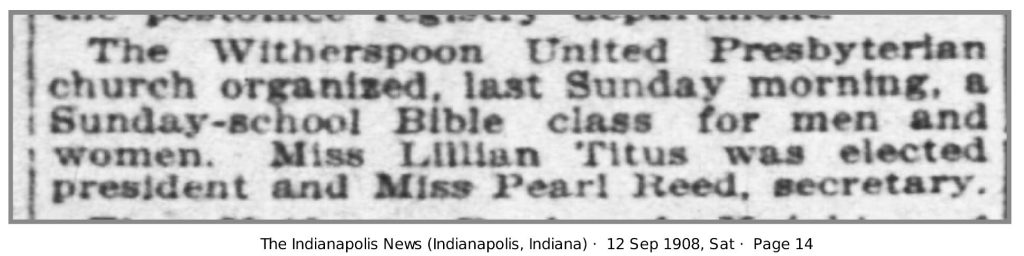
My grandfather, Albert Cleage, two of his brothers and his sister and their families were living in Indianapolis at this time. I wonder if the Lovings also attended Witherspoon United Presbyterian Church.
In 1920 William worked as a laborer at a mill. Mary was keeping house. Her sister, Anna did laundry for a private family. Anna’s daughter, Mozena, had joined the family and was a cook in a private home. They rented their home.
Mozena married Clinton Sherman in 1922. He died soon after. She continued to share the family home. William was working as a fireman in 1922. In 1923 he was again a laborer. Mary Cleage Lovings died in 1929 and is buried in Crown Hill Cemetery in Indianapolis. She was 53 years old. My great grandfather Lewis Cleage is also buried there.
In 1930 William and Mozena were still in the same rented house. He was working on the railroad and she was doing laundry for a private family. Mozena died in 1932. She was only 34 years old. In 1940 William lived in a boarding house and hadn’t worked in the past year. He was 68 years old. That is the last I found of the family.
For this year’s April A-Z Challenge I am blogging a series of sketches about the free people formerly enslaved on the Cleage plantations in Athens, Tennessee. Most are not related to me by blood, although our families came off of the same plantations – those of Samuel, Alexander and David Cleage. Click on any image to enlarge.
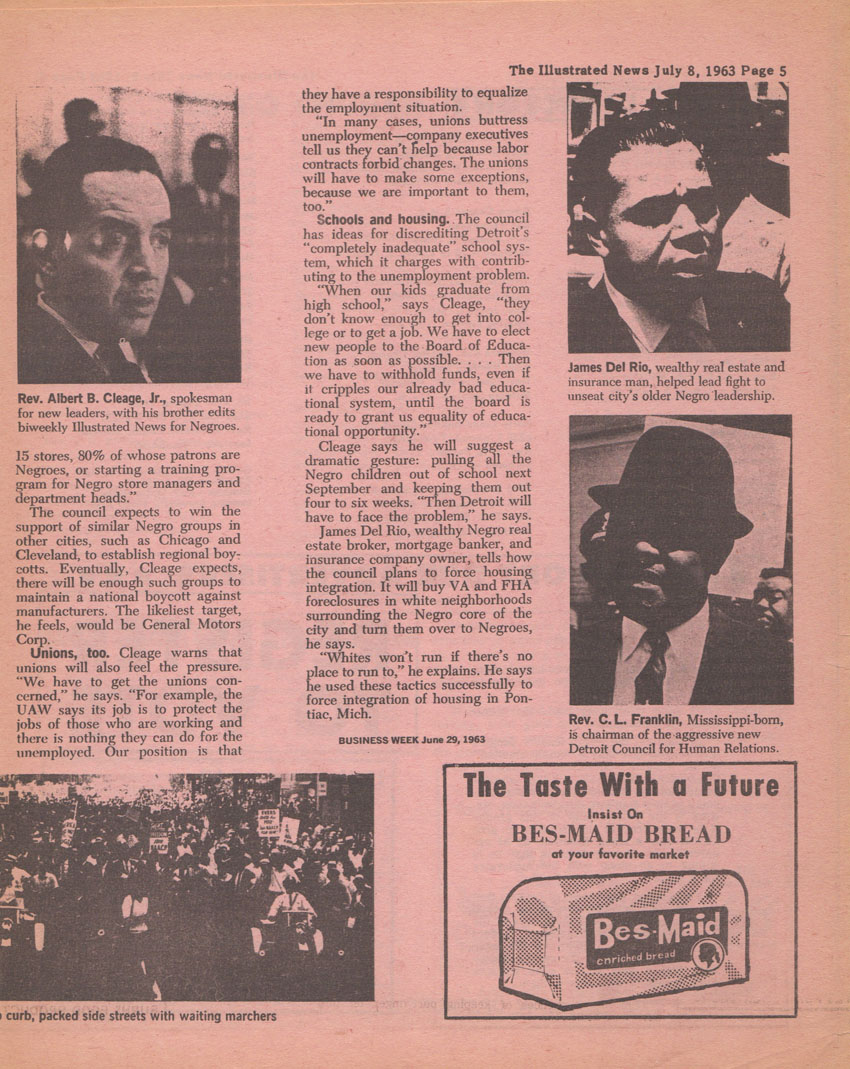
Laundress was an available job for many African American women. Courtesy of the Burton Historical Collection, Detroit Public Library
Lydia Ann Cleage was born into slavery about 1851 on Samuel Cleages plantation in Athens, McMinn County. She was one of the 14 children of Clinton and Sallie Cleage. In 1852, when Lydia was one year old, she was sold to David Cleage in a transfer of slaves, money and goods after Samuel’s death. You can read the Bill of Sale by clicking the link. Lydia was 15 when the Civil War ended in 1866 and freedom came.
In 1870 at age 18, she appears twice in the census, once with her widowed mother and again with the family of Louis and Malinda (Bridgman) Evans. Malinda probably came to David Cleage’s plantation with David’s wife, Martha Bridgeman. Louis Evans was farming in 1870 and Lydia was a farm laborer.
Lydia does not appear in any more censuses until 1930, however I was able to follow her through city directories and death certificates where she was the informant. In 1878 Lydia’s daughter Mary Smith was born. Her father was Willie Smith. In 1895 Lydia Cleage was doing domestic work for John McKeldin and family in Knoxville. McKeldin was formerly of Athens. In 1895 he was a big manufacturer of woolen goods.
In 1900 Lydia and William Smith were both living at Poplar and Exchange St. in Memphis. She was a cook and he was a laborer. She was 49 years old. In 1903 she was working as a laundress. He was still working as a laborer.
Sometime before 1907, William Smith disappears from the directory. Lydia Glass appears. Lydia married Rev. Charles Glass sometime before his death in 1923, however at the same time that Lydia Glass appears in the directory, Rev. Charles Glass is still married to his second wife, Millie, who also appears with him in the 1910 Census. In 1923, Charles Glass died and Lydia Glass appears as the informant on his death certificate. She was living at 886 Lane Avenue in Memphis. She appears several times in the directory at that address as Charles widow.
In 1930 Lydia lived with her daughter Mary in the house at 886 Lane Ave. Mary was the widow of Robert Jordan and worked as a cook for a private family. She was 50 years old. Lydia had no employment listed. She was 84 years old. Lydia appeared in a few more city directory entries as the widow of Charles living at the same address on Lane.
In 1934, Mary Smith Jordan died of cancer of the cervix. She had been treated from January to August of 1934. Her parents were Willie Smith and Lydia Glass. Lydia was the informant.
On November 18, 1936 Lydia Cleage Glass had returned to Athens where she died of congestive heart failure. Her parents were listed as Clint and Sallie Cleage. She was a widow. The informant did not know her age, which was about 85. The informant was her niece Sallie Sherman. Sallie was the daughter of Edmond and Adaline (Cleage) Sherman.
******
I can only hope this is right. Not finding Lydia in the censuses for 1880, 1900, 1910 and 1920 and not finding any marriage records made it hard to picture her life. Maybe she had more children. Finding her death certificate and her as informant on two other death certificates was very helpful. Was that really her listed as Lydia Glass before Millie Glass was dead? Did Rev. Glass have two wives for a time? What happened to Millie and Willie Smith? I assume they died, but when? Her daughter’s life was just as shadowy. Mary Smith appears as a lodger on Front Street in Memphis in the 1900 census. There are page after page of names with no address other than Front Street. Mary appears in a few city directories and then in the 1930 Census and after her death on her death certificate. Did she have any children? What happened to her husband, Robert Jorden? This investigation left me with many questions.
My parents, paternal grandfather and me (Kristin) on our porch of the house on King street in Springfield, Mass. Photo by Hugh Cleage. 1947.
For this year’s April A-Z Challenge I am blogging a series of sketches about the free people formerly enslaved on the Cleage plantations in Athens, Tennessee. Most are not related to me by blood, although our families came off of the same plantations – those of Samuel, Alexander and David Cleage. Click on any image to enlarge.
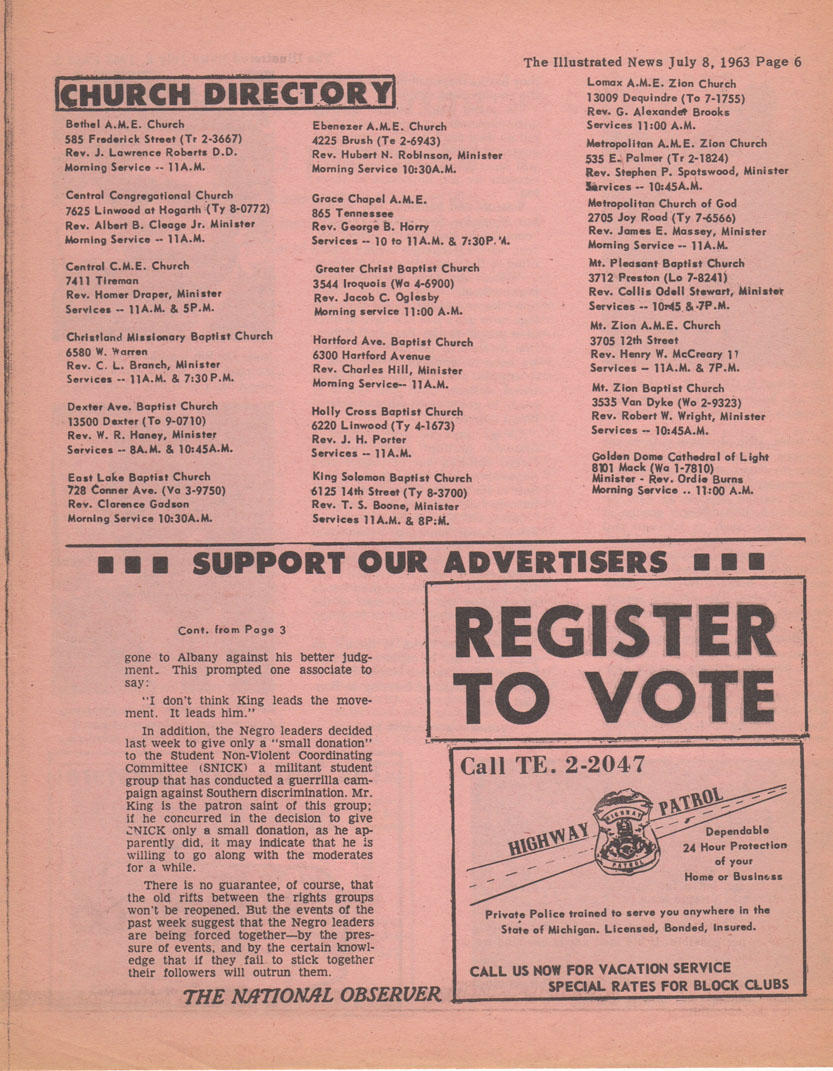
Kristin Cleage (me) in 1970. Photo by James Williams.
This post is about my relationship to the Cleages of Athens, Tennessee. Kristin Cleage (that is me) was born free in Springfield, Mass. in 1946. My only sister was born when I was 2. My family moved back to Detroit when I was four. I finished high school and graduated with a degree in fine arts from Wayne State University. I worked as a pre-school teacher, a doll maker and a librarian. Eventually I married James Williams, who had an Associates Degree and worked as an organizer and an inspector of asphalt for the Michigan Dept of Transportation. We had six children. All of our children attended college, lived to be adults and most now have children of their own. At various times we have shared our home with children and grandchildren, and other relatives. We owned a variety of homes over the years, some with and some free from mortgage. We often lived around extended family. I was the third generation of my Cleages born out of slavery.
Rev. Albert B. Cleage Jr, preaching about 1968.
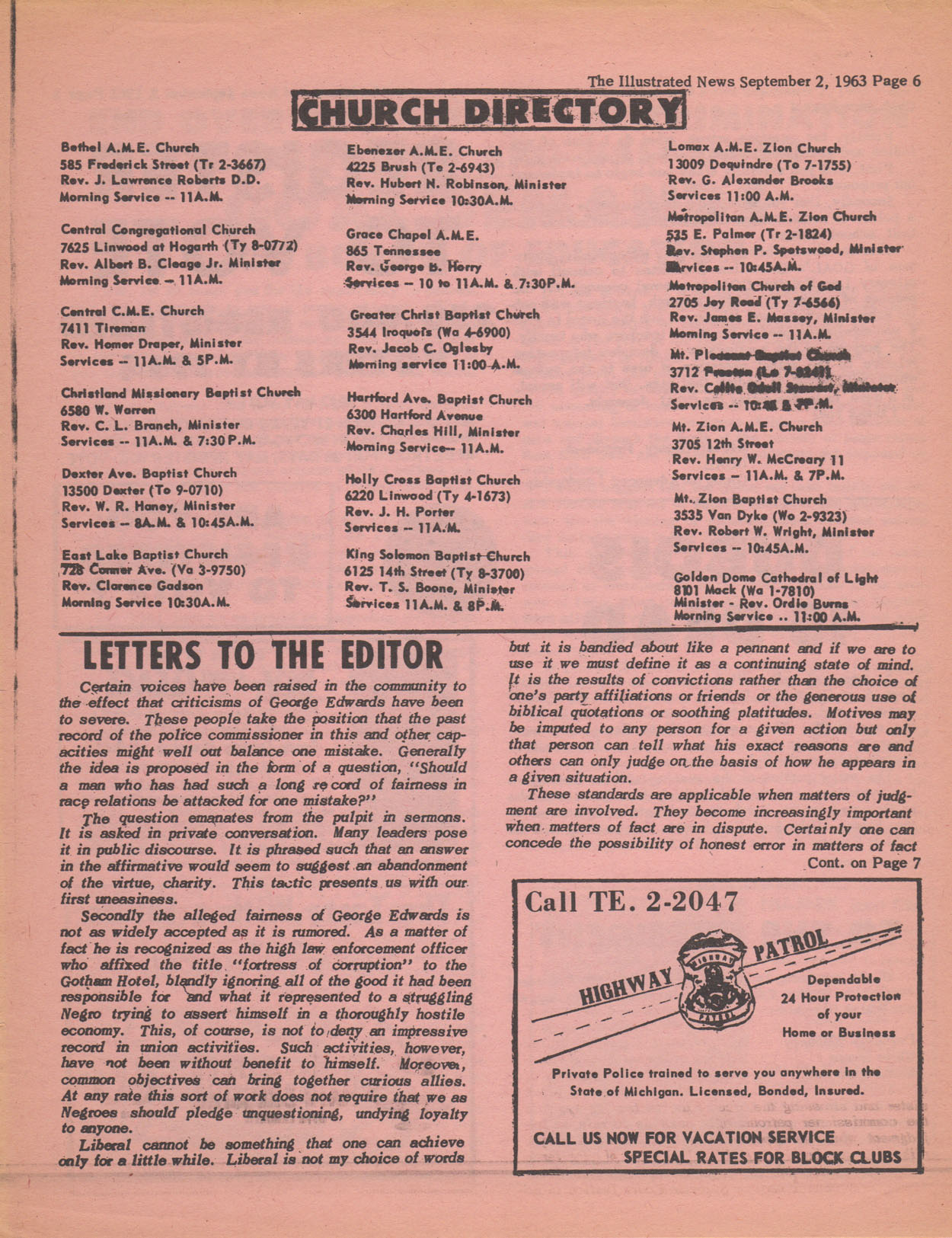
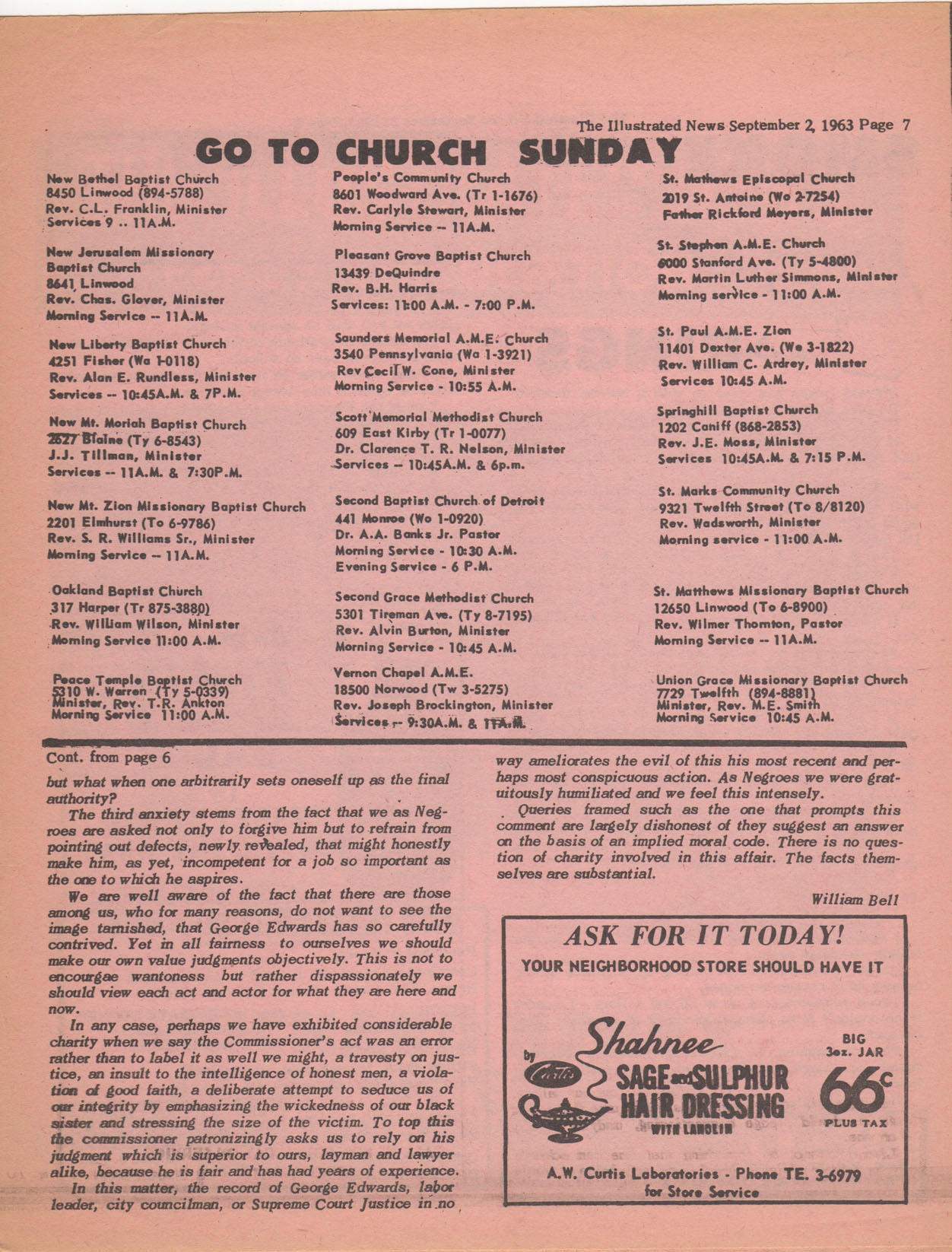
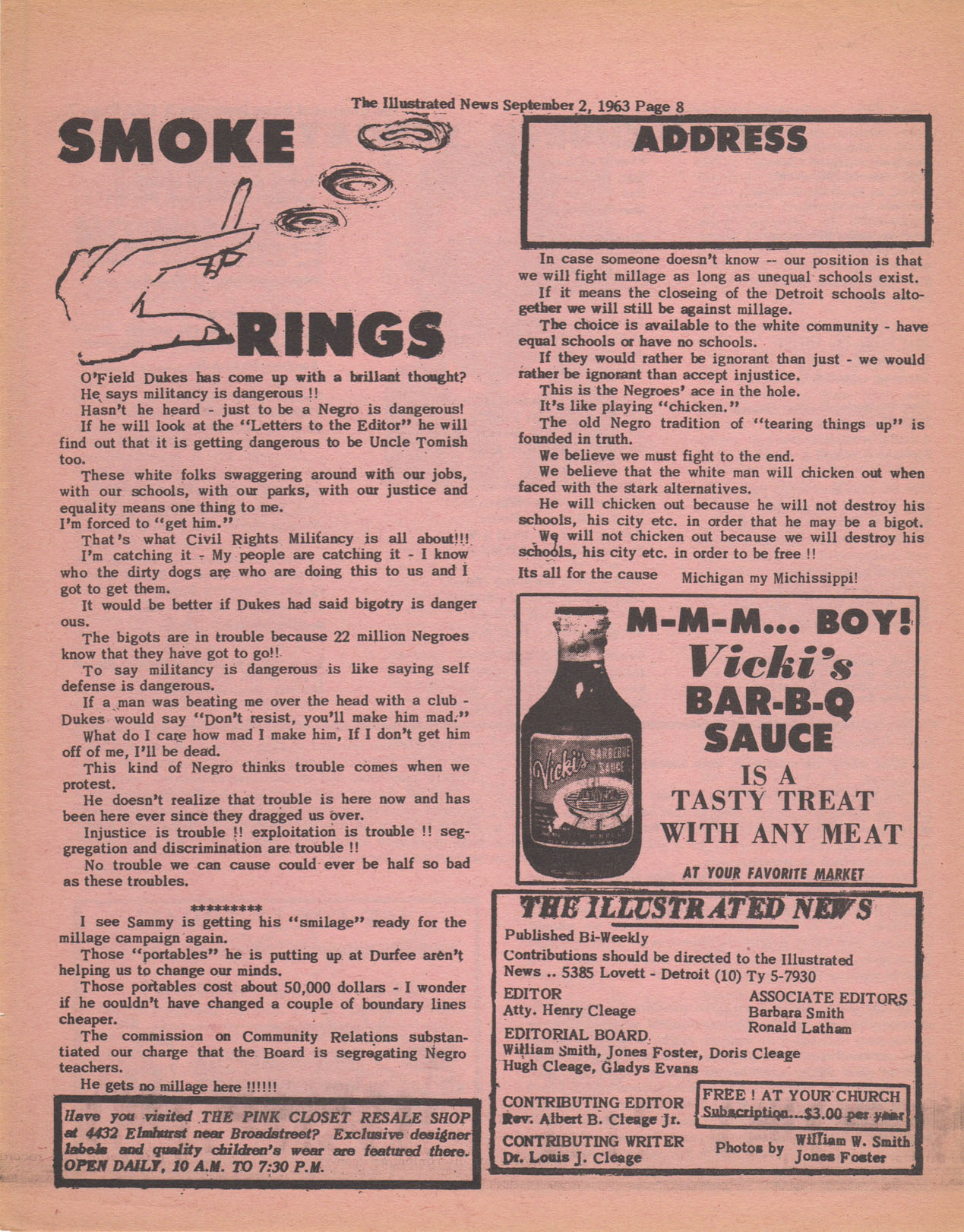
My father, Rev. Albert B. Cleage Jr (aka Jaramogi Abebe Agyeman) was born free in Indianapolis, Indiana in 1911 to parents born in Tennessee and Kentucky. His family moved to Kalamazoo, Michigan and eventually Detroit. He had six siblings. All of them lived to be at least eighty years old. He attended public schools in Detroit and graduated with a BA from Wayne State University, followed by a Divinity Degree at Oberlin College and doing post degree work in film at the University of Southern California. He married my mother, Doris Graham and they had two daughters. Both daughters lived to be adults, graduated from college and had seven children between them. My father pastored churches in Lexington, KY; San Francisco, CA; Springfield, MA and Detroit, MI. He was active in politics and with friends and family, published newsletter, advocated self determination and black power for black people. He founded the Shrines of the Black Madonna with churches in Detroit, Atlanta and Houston. He died at the age of 88 in 2000 in South Carolina. He was the second generation born out of slavery.
My grandfather, Albert B. Cleage – 1909. About the time he graduated from Knoxville College.
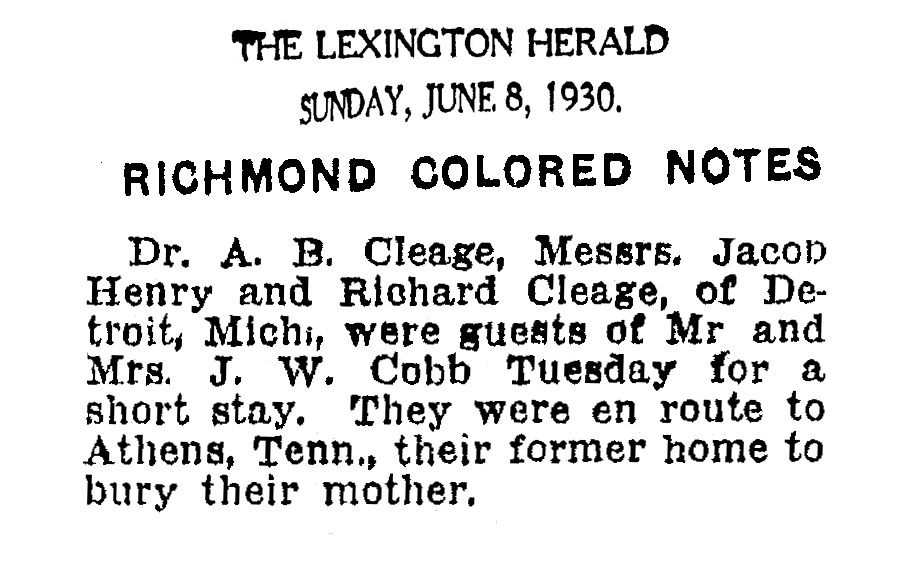
My grandfather, Dr. Albert B. Cleage Sr, was born free in Hackberry, Loudon County, Tennessee in 1883. He was the youngest of five children born to Louis Cleage and Celia Rice. Eventually the family moved back to Athens, Tennessee and his parents were divorced. He and his siblings all graduated from high school. Several attended college. My grandfather graduated from Knoxville College in Knoxville, TN and the University of Indiana medical school, Indianapolis, IN. He married my grandmother, Pearl Reed and they had seven children who all lived to age 80 or beyond. After completing his internship, the family moved to Kalamazoo, MI. There he set up his medical practice. After several years they moved to Detroit, Michigan where he opened Cleage Clinic and practiced medicine. Three of his siblings and his mother eventually moved to Detroit. One brother remained in Athens. My grandfather regularly traveled back to visit. During his life, my grandfather helped found three churches and two black hospitals. This was in the days when black doctors could not practice in most white hospitals. In the 1950s my grandfather retired and in 1957 he died in Detroit. He was the first generation born out of slavery.
My greatgrandfather Louis Cleage was born into slavery on Alexander Cleage’s plantation in McMinn County, about 1852. He was fourteen when freedom came with the end of the Civil War. He married Celia Rice in 1872 in Athens, TN and they had five children. They all lived to adulthood and attended high school and/or college. He worked as a farmer, in the steel mills, on the railroad and did other hard labor all of his life. He never learned to read or write. He died in 1918 in Indianapolis, Indiana at his daughter’s home. He lived free for 52 of his 66 years.
My 2X great grandfather Frank Cleage was born into slavery about 1816 in North Carolina. I do not know how he came to be on Samuel Cleage’s plantation, but he was there by 1834 when he was mentioned in the letter to the overseer. My 2X great grandmother Juda Cleage, was born into slavery about 1814. She came to Alexander Cleage’s plantation with his wife, Jemima Hurst. Juda was mentioned in both Elijah Hurst’s and Alexander Cleage’s Wills. Frank and Juda both gained their freedom after the Civil War and were legally married that same year. They had at least eight children. Frank worked as a laborer. I have not found them after the 1870 census. I can only trace three of their children so I am unable to give death ages. The three children I have found all did hard physical labor and were unable to read and write, as were Frank and Juda.
Some of my grandparent’s descendents, including members of the 2nd, 3rd, 4th and 5th generations born free. 2012 Detroit.
You can read more about each person by following the links or putting a name in the search box in the right hand column.
For this year’s April A-Z Challenge I am blogging a series of sketches about the free people formerly enslaved on the Cleage plantations in Athens, Tennessee. Most are not related to me by blood, although our families came off of the same plantations – those of Samuel, Alexander and David Cleage. Click on any image to enlarge.
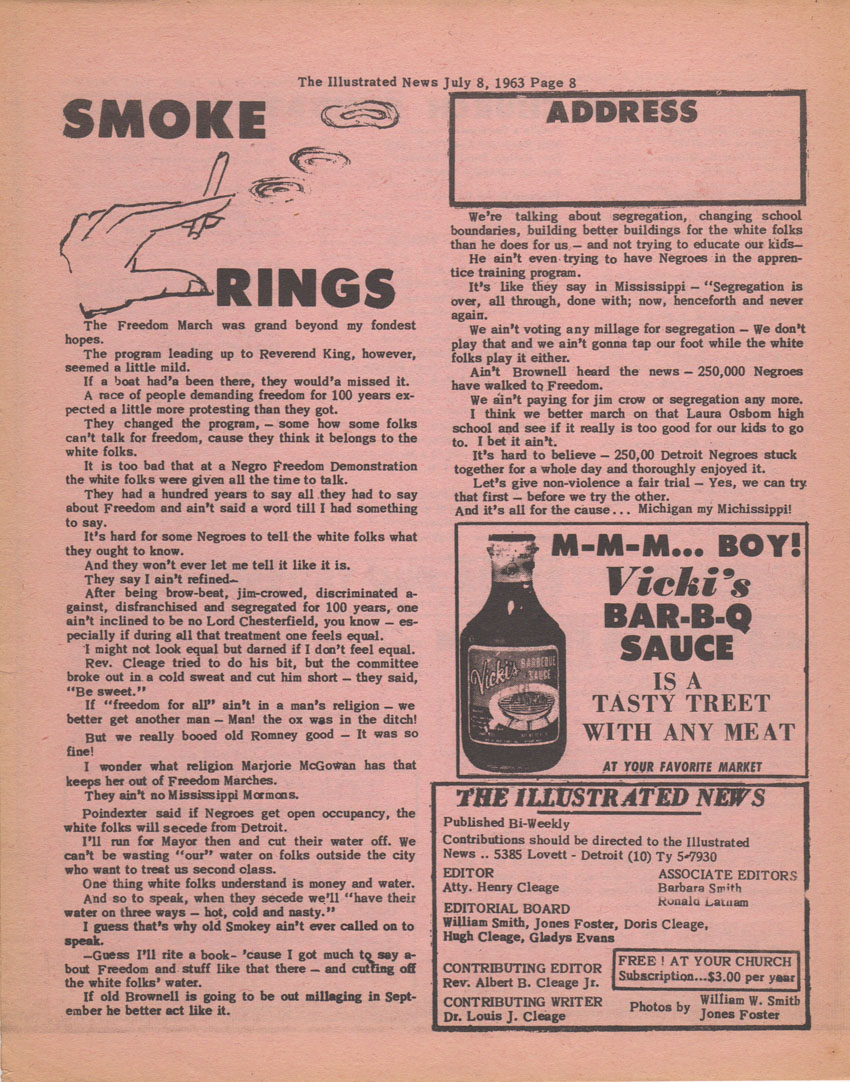
Jefferson Cleage was born into slavery about 1848 in Tennessee He first appears as a five year old in a bill of sale transferring slaves, money and household goods between the children of Samuel Cleage after his death in 1852. My 2X great grandfather, Frank Cleage also appears in this Bill of Sale to Alexander Cleage. I wonder if Jefferson’s parents were also transferred in the bill.
Part of the Bill of Sale conveying Jeff, age 5 and my 2X great grandfather Frank to Alexander Cleage after his father Samuel’s death in 1852.
Know all men by these presents that we David Cleage and Walter Nutter and his wife Elizabeth H Nutter have this day bargained and sold to Alexander Cleage and his heirs and assigns forever Joe forty four years of age Jane eighteen Lynd eleven Frank thirty nine Phillip forty Lewis twenty six Sam ten Jeff five Martha twenty one Lea thirty four Julian forty three Patsy five
For five thousand two hundred and fifty dollars being his distribution share out of the proceeds of the slaves of Samuel Cleage deceased We warrant said negroes (sic) to be slaves for life and that we as the heirs at law of Samuel Cleage have a right to convey them
Given under our hands and seals this 20th day of March 1852
Witness
Sam H Jordon David Cleage
Geo W Mayo Walter Nutter
Elizabeth H Nutter
State of Tennessee
County of McMinn
In 1864 Jefferson Cleage joined the United States Colored Troops Heavy Artillery Unit at Knoxville, TN. He is the only one I have found who joined from Alexander Cleage’s plantation. The rest have been from his brother David’s plantation. Jeff was mustered out of the army and married Racheal in 1865. Jefferson was seventeen and Racheal was fifteen years old.
They started out in McMinn County, but by 1880 had moved to Rhea County, perhaps because of the coal mining industry that was building up there. Jefferson’s occupation is listed as farmer in the 1870 Census and as laborer in the 1900 Census. Because they don’t say what sort of laborer he was, I don’t know if he was ever involved in coal mining, but his daughter, Emma, married a coal miner in 1908 and his two youngest sons were involved in the coal mining industry by 1910.
“An undated photograph shows the Dayton Coal and Iron Co., founded in 1867 by English Industrialist Sir Titus Salt. (Rhea County Historical Society)
There were a number of horrific explosions in the mines. I was relived not to find any Cleages among the dead, although there were unnamed victims in each explosion. There were explosions in December of 1895, May 1901 and March of 1902. All three started when coal dust was ignited while the men were leaving with lit lamps after work. The bodies were described as blown apart, burned beyond recognition and other gruesome details.
Jefferson’s wife Racheal was born about 1850 in Tennessee. She gave birth to fifteen children and by 1900, nine were still alive. Jefferson never learned to read or write. Racheal learned to read and all of the children were literate. The four younger children were all attending school in 1900. Thirteen year old Lloyd and fifteen year old Virgil had joined the adult men in the work force as laborers. The Cleages owned their home and it was free from mortgage.
Jefferson died sometime before the 1910 Census. Racheal’s occupation was washerwoman. Three more of her children had died, leaving six still living. Her nineteen year old son Martin ran a steam shovel while Seventeen year old Louis worked as an iron furnace laborer. Her two year old grandson, Samuel Douglas, was also living in the house.
In 1920 Racheal was about 70 years old. She and her grandson Samuel were living alone on Broyles street in Dayton. She lived in a rented house. This is the last I can find of Racheal Cleage.
While reading about coal mining in Rhea County long ago, I was surprised to find that there is a plan to reopen some of the mines by 2017. You can read about it at this link Coal Mining in Rhea County. You can read more here about African American coal miners in Appalachia – History of African American Coal Miners
For this year’s April A-Z Challenge I am blogging a series of sketches about the free people formerly enslaved on the Cleage plantations in Athens, Tennessee. Most are not related to me by blood, although our families came off of the same plantations – those of Samuel, Alexander and David Cleage. Click on any image to enlarge.
Today I’m taking a break from individual Cleages to describe how I came up with the names I am researching and how I find the information I do about them. I did find an “I” for Isabel Sherman, the granddaughter of Jane from yesterday’s post Henry & Jane Cleage. I plan to write Isabelle’s story up on my day off – Sunday.
How do you find the people? As I was researching my Cleage ancestors, I found the names of other Cleages – in the bills of sale, the Wills, the letters and in the Census. I began to wonder what happened to those other Cleages. Some of the information came from online research and some came from copies of documents that were given to me.
How do you know they were from the Cleage plantations? I am sure they were from the Cleage plantations if their names appear on slavery era documents from the Cleage plantations. It helps when their ages are mentioned because then I can check them against the ages in the census records. Otherwise, I go by the name Cleage.
Where do you find your information? I met a descendent of another Cleage family through my tree on ancestry.com and he sent me copies of bills of sale and the letter to the overseer that he had been given.
I found copies of slave holders Wills on FamilySearch.com. On a whim, I decided to look for Samuel Cleage’s will. They are not indexed so I had to go to the probate records for McMinn County and then look through the online books until I found the Wills. I knew the time period so I was able to narrow it down but it took time and luck.
On Ancestry.com I was able to search for names in the census records. Slaves were only counted by age, color and sex, unless the enumerator made a mistake and put their names down. Always nice if you run into that. I can also find Agricultural Schedules, which tell how many animals, what kinds and what kind of crops a farmer grew. City Directories are a great way to trace people that cannot be found in every census and also to track them between censuses. You can also find out spouses (dead and alive), occupations and addresses. An added bonus is finding who lives in the same house – are they siblings, parents and children, married couples? The directories also are helpful in pinpointing when someone arrived in a new city and left the old one.
Alexander Cleage’s Slave Census for 1860, the year he wrote his will. That means my family is there. They give how many slaves fit that description, if they are “black” (b) or “mulatto” (m), and male (m) or female (f) and ages. At the end of the count for each slave holder, they also tell how many slave dwellings there were. Alexander had 8. He was a pretty large slave holder for Eastern Tennessee. You can see how frustrating it would be to try and figure out who and where your people were if you didn’t have some slave era documents to help.(1860 U.S. Federal Census – Slave Schedules via Ancestry.com)
One category that I ignored on Ancestry.com for a long time was the military area. I would check draft registrations, which give you a brief description, but I didn’t think of looking for U.S. Colored Troops Military Service Records and when I did I found a wealth of information. I also found military information on FamilySearch.com and on Fold3.com.
Marriage records and death certificates can give good information, including parent’s names, witnesses, occupation, address and name of spouse. I look for newspaper articles on Ancestry.com, Newspapers.com and genealogybank.com. Sometimes I google a name and come up with unexpected and interesting information.
How do you organize the information so you know who is who? I started a new tree for each person or couple I found. That made it easier to search for information and to store it when found. I started over 17 trees to keep things straight, in addition to my main family tree and a tree I started for the white Cleages. There were even more but the more I researched, the more I could combine trees when I found people married into an already existing tree or that they were the child of people already in an existing tree. The only problem is when I can’t remember which of the larger tree someone is in and I have to go search a few trees to find them.
How do you make the connections? I make the connections by using the records mentioned above, and by getting to know the families.
What do you mean when you say you found one family on one page of the census and another family two pages away? The United States Census is taken every 10 years, in the years ending in zero. Enumerators were hired to go out and count the population. They asked them questions about age, marital status, where they were born and other questions. Some questions changed depending on the year. You can never be sure who gave the answer to the questions. It might have been a child in the family who was home or a neighbor if nobody was home. McMinn County, Tennessee, where Athens is located, was divided into 19 Townships in 1880. Each one had from 15 to 23 pages. The people who were enumerated on the same page lived next door to each other or a few houses down. People on the previous page or the next page were still pretty close neighbors. A page looks like this: