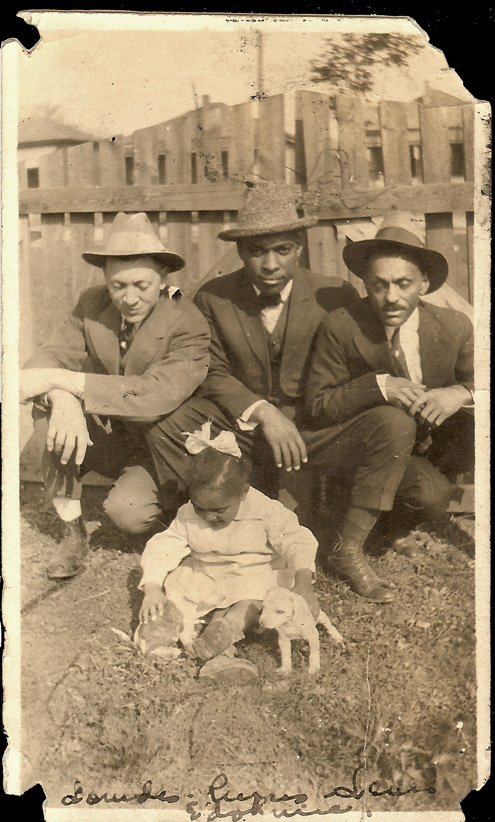
The photograph of three of my grandfather Mershell C. Graham’s friends was perfect for today’s Sepia Saturday prompt. To read about their lives, click this link – The Migration Part 3 – Those Left Behind. It turned out that some of them also left Montgomery, AL and moved north.
Lowndes Adams, Rufus Taylor and Lewis Gilmer & Lowndes little niece, Edoline.
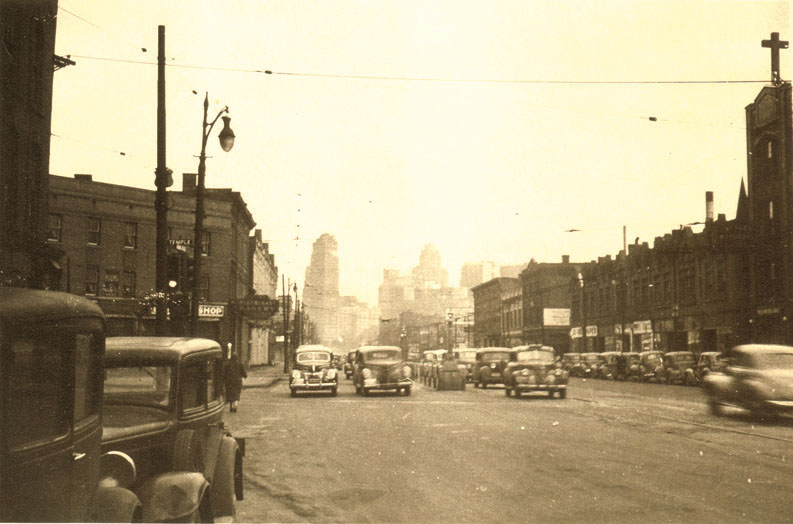
Looking south on Grand River Ave in Detroit toward Downtown. About 1940.
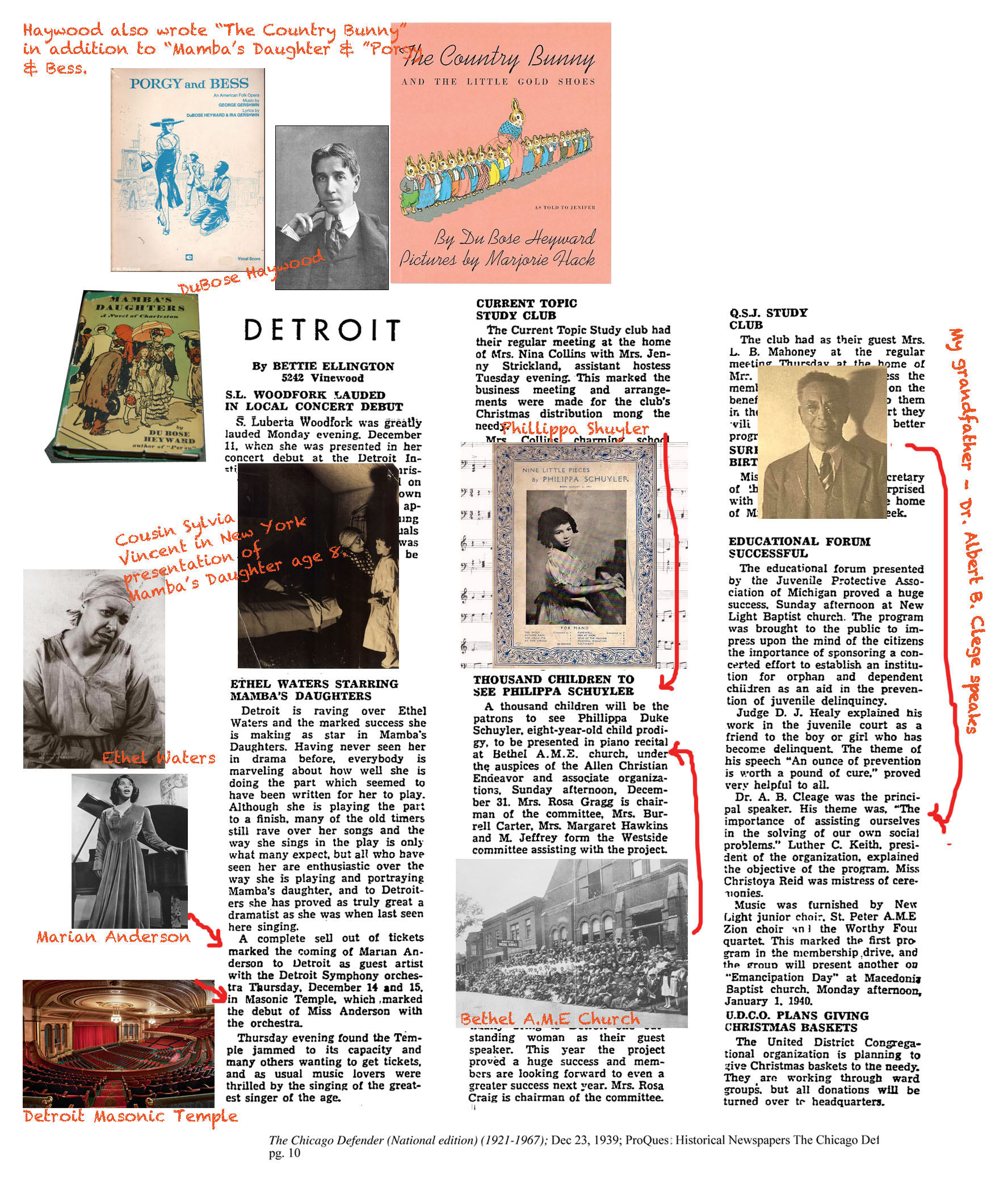
When I saw the prompt for this weeks Sepia Saturday, I knew that I wanted to use this picture if I hadn’t already used it. It comes from my Cleage photo collection and my father or one of his brothers took it around 1939 – 1940, judging by the cars. After posting it, I decided to look and see what was going on with my Cleages around then. There was an article that mentioned my Grandfather, Dr. Albert B. Cleage Sr. speaking at a meeting at New Light Baptist Church. This was part of a larger column in the Chicago Defender devoted to Detroit happenings.
Ethel Waters was performing in “Mamba’s Daughters”. During this same time my cousin, Sylvia Vincent played the part of one of Mamba’s daughters at a young age, she was 8. While I was looking for a picture of Ethel Waters, I noticed that the author, Dubose Haywood had written the book and also written “Porgy and Bess” and, surprising to me, one of my favorite books of all times, “The Country Bunny” who is choosen over all the big, rich fast bunnies to be one of the Easter Bunnies and she has trained her 21 little bunnies to take care of the house in her absence and does a stellar job of being brave and steadfast and true to the end.
Marian Anderson was singing in the Masonic Temple, which was just a few blocks up Temple from the corner in the photograph. This was the year that the Daughter’s of the American Revolution refused to let her sing to an integrated audience in Constitution Hall and so she ended up preforming on the steps of the Lincoln Memorial for 75,000 people and to untold millions via radio.
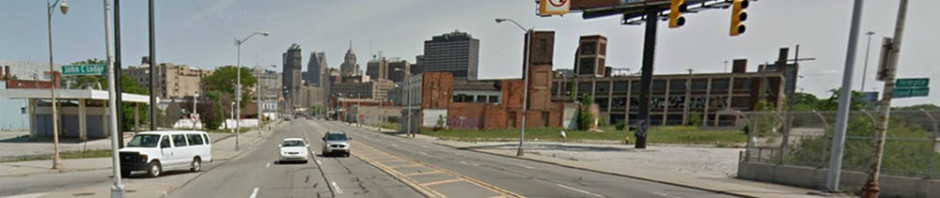
Child prodigy, pianest Phillippa Shuyler was to preform to a thousand children at Bethel A.M.E. church. There was a lot going on in Detroit at the end of 1939 and I never would have noticed if I hadn’t been looking for something to relate to the photograph of Grand River Avenue and Temple. The heading is a photo from Google Maps of that corner as it looks today.
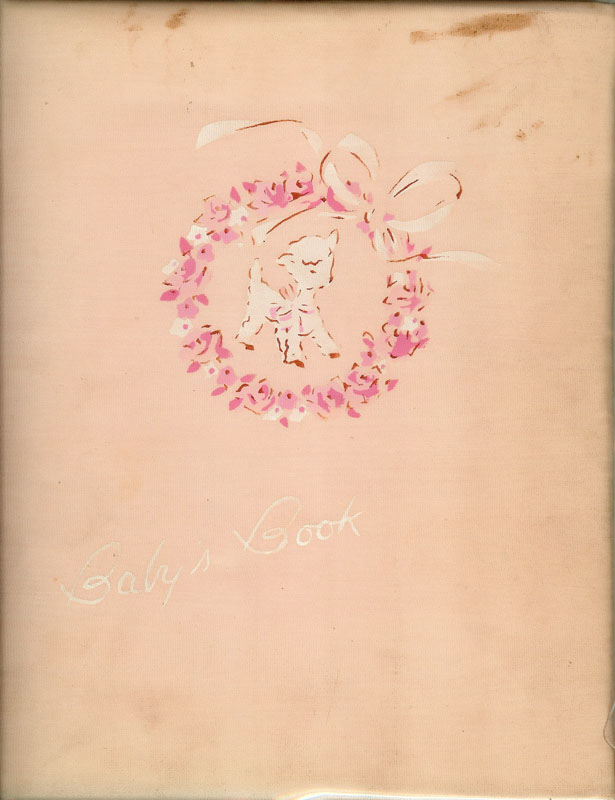
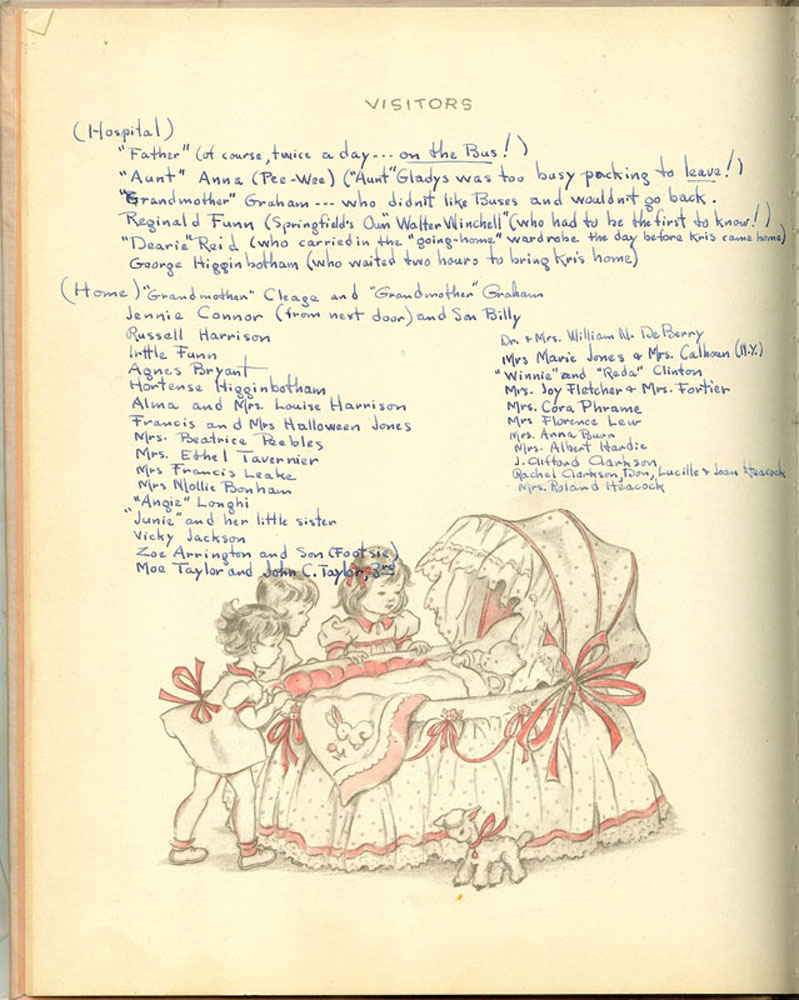
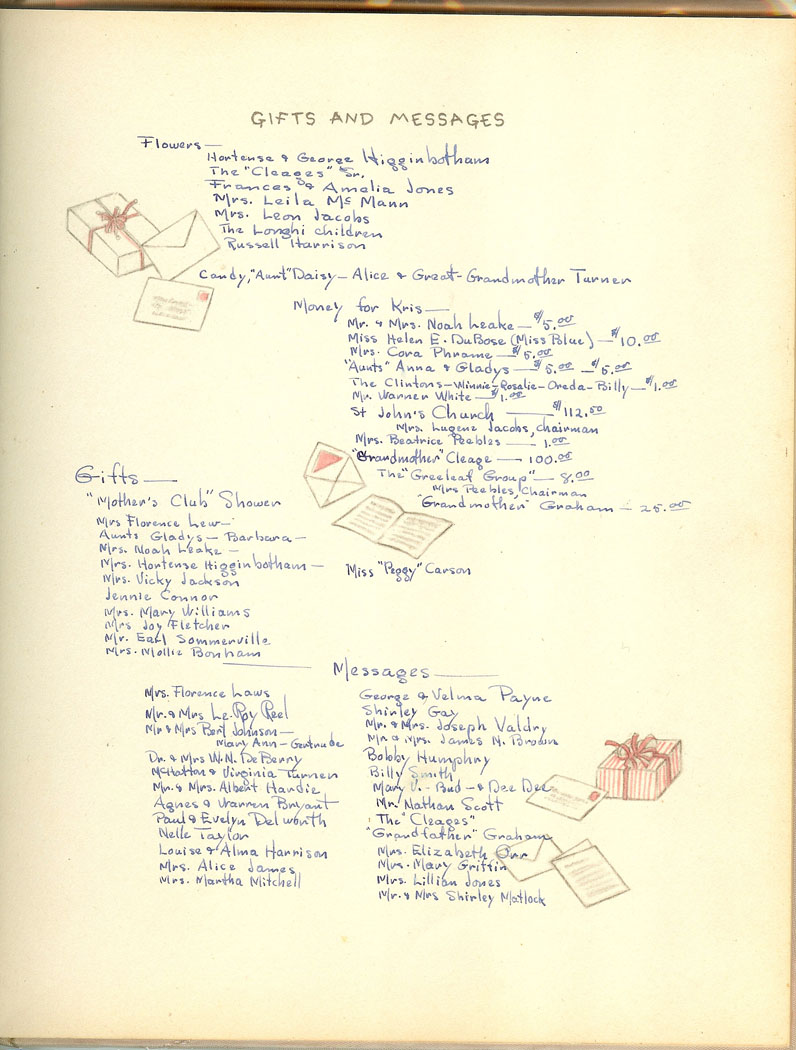
When I saw Prompt 18 – Your First Gift, in The Book of Me, I was sure I had a list of what I received when I was born in my baby book. Unfortunately, when I checked there was a list of people who gave me gifts, but not a mention of a gift. I remember having a little silver cup and a silver fork and spoon but I have no idea who gave them to me. I don’t know where they are now and I can find no photographs of them.
Something I did notice was that the handwriting and the language used in the baby book appears to be my father’s and not my mother’s. I had always thought it was my mother who kept the book. Only a few pages were filled out at the time. There is some information I added years and years later when I was about 12 – When I started to talk and walk, what childhood illnesses I had, and a list of some of my elementary school teachers.
One last thing about the baby book – it was found in pile of trash to be thrown out with other papers from my father’s office at the church but someone saw it and saved it. Why was it in the office? Anyway, I’m glad it was rescued.
Looking again, I see that Dearie Reid brought my going home outfit to the hospital. I’m thinking that she bought it. I wonder what I wore home. It must have been the second week in September in Springfield, MA by that time. Maybe cool? Maybe hot?
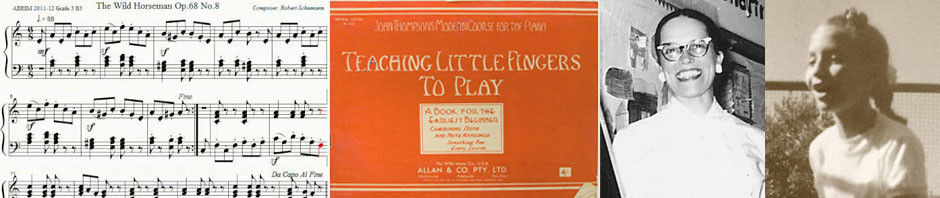
I started taking piano lessons when I was about seven years old. We lived on Chicago Blvd. in the parsonage. Mrs. Fowler was our teacher. I remember her as a stern older woman who, according to my cousin, sometimes smashed her fingers on the keys when she kept making mistakes. I think of the room with the piano as the “Morning Room”. Maybe that’s what my mother called it. There was wall paper with fruit on it. My music book was “Teaching Little Fingers to Play” and I learned 3 note pieces with words like “Here we go, up a row, to a birthday party.” When played in a different order it became the piece “Dolly dear, Sandman’s here. Soon you will be sleeping.” I must have practiced between lessons because I remember being used as a good example to my cousin Barbara one time. The piano must have belonged to the church because when we moved, it stayed there.
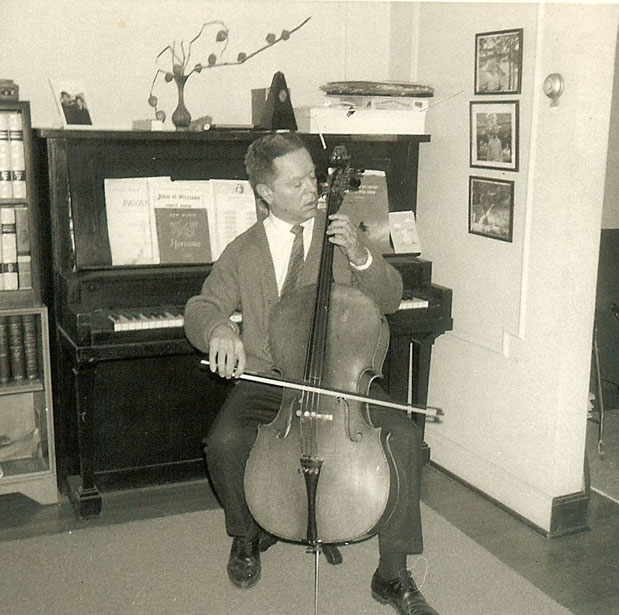
The piano I took lessons on behind Henry playing the cello.
Several years later we were living in the upper flat on Calvert. I told my mother I wanted to take piano lessons again. She bought the used upright piano in the photo above. We all signed it on the inside of the flap you rest the music on and raise to get at the insides. Our new teacher was Mr. Manderville, the church choir director at that time. He was my parents age and went in more for mean, sarcastic remarks as opposed to banging your fingers on the keyboard. I wanted to play “Comin’ Through The Rye” but he wouldn’t assign it and, for unknown reasons, I didn’t just learn it on my own time.
The only piece I remember by name was “The Wild Horseman”. I remember it as a complex piece that I played exceptionally well. Sort of like this.
Well, maybe I wasn’t quite that good, but in my memory, I am every bit as good. Eventually I told my mother I didn’t want to take piano lessons any more. She was not happy with that and mentioned buying the piano at my request so I could take lessons. She did let me stop. My mother played the piano much better than I ever did. She played it often after that. Pieces of classical music she played on the record player and those she played on the piano have become confused in my mind now. I will have to ask my sister what she remembers.
Another part of the prompt is pictures within the picture. You will notice three pictures on the wall and one of my sister and me on the piano, in my photo above.
I did this “map” of my life during the years from 1966 to 1974 several years ago. The original is on a piece of stretched canvas 18 inches by 24 inches. At one time it had something painted on it but I covered that with Gesso, then ran off contact sheets with photos, drawings, writings and other material from that time. I wrote dates and thoughts that I would understand, although others might not. I blacked and whited out some stuff and that’s it. The prompt for The Book of Me this week is “Memory Board”.
Here are some links to other posts written about that time period.
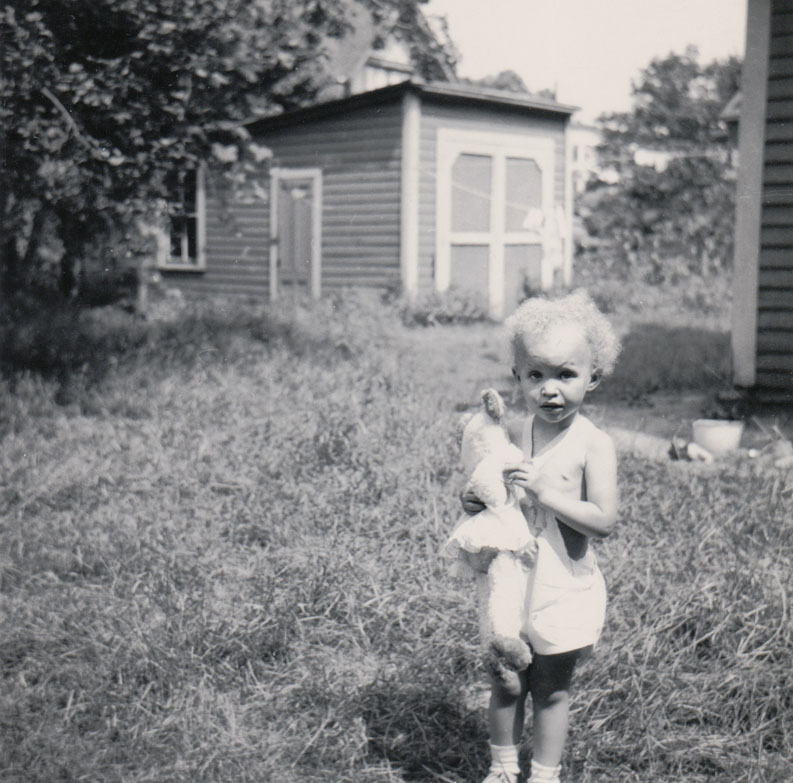
Me and Beatrice 1947, Springfield, Massachusetts in my backyard.
The first toy that I remember is the bear I am holding in the above photograph. Her name was Beatrice. She wore a frilly, light blue pinafore. In this picture she looks quite fresh. Maybe I received her for my first birthday. I had her for a very long time. I don’t remember when she disappeared or was thrown out.
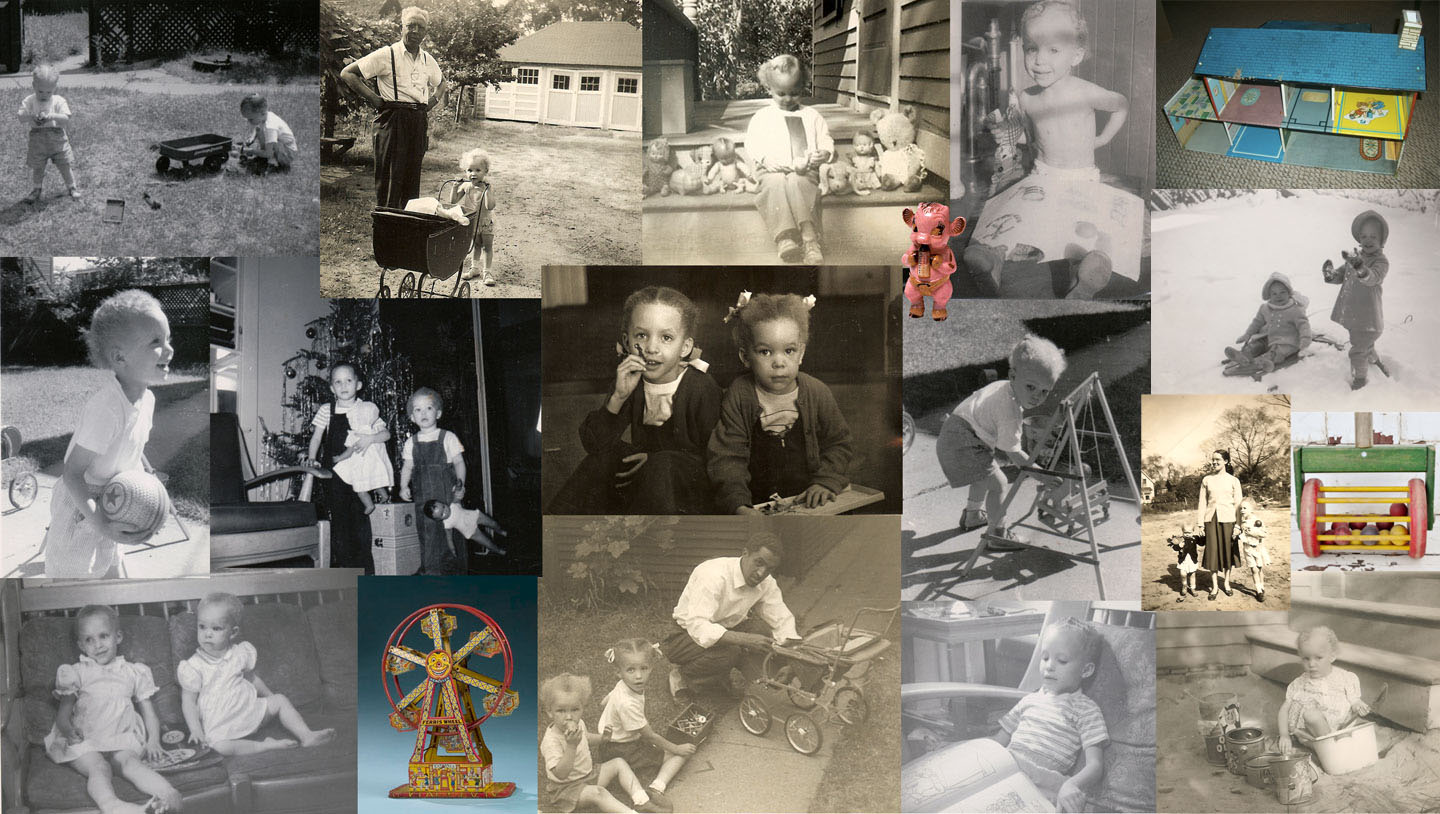
Here is collage of me with a variety of my early toys. They included a wagon, old pots and pans, a wooden push mower, plastic records, a ball, a tin dollhouse, a little Beauregard doll with a bottle that emptied and refilled, little flat plastic cowboys. I had several buggies and strollers and an endless supply of dolls. Books aren’t really toys but I had many little golden books during this time. The swing that Pearl is putting a doll in, was made of wood and blue. The tin ferris wheel was also hers and took many a little doll for a ride until it was no longer around.
After my sister Pearl was born when I was 2.6, I played with her most of the time because she was always there. And, of course, she was a delightful playmate. One of the best addition to any playthings we had during those years was our imagination. I remember in later years making bows and arrows from sticks, strings and bottle caps, riding on saw horse and playing endless imaginary games with our cousins. We had a good supply of Little Golden and Wonder books.
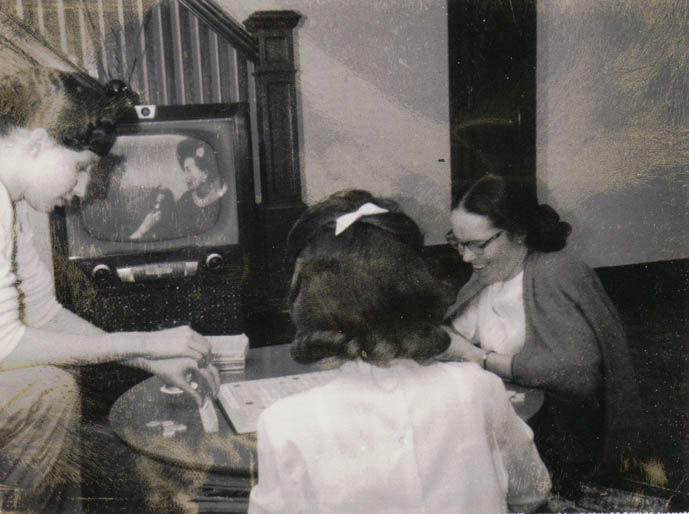
Playing Scrabble. Early 1960s. I’m on the couch, Pearl has her back to us and my mother must be winning!
The first board game I remember was “Sorry”. We played it often in the evenings the summer that we spent at my mother’s parents. My grandfather, Poppy, played with us while eating his snack of grated cheese and ritz crackers and a glass of buttermilk. Later I remember playing cards on the basement stairs of my cousins, endless games of “War”.
When we were older one of our gifts at Christmas would be a board game and we would play it over and over during that Christmas. Some never saw the light of day again but some we played throughout the years. Monopoly was popular for awhile. Chess was a staple. The summer of 1966 when I met my future husband at Wayne State University, we played chess almost everyday. He also taught me to play Solitaire.
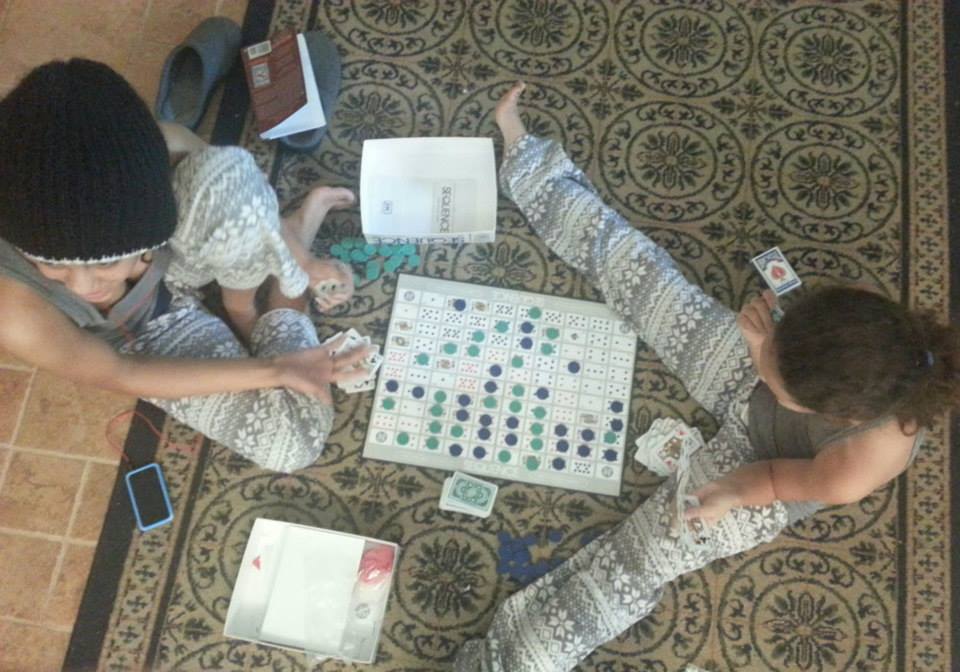
We still play a lot of games in my family. “Five Crowns” is popular with my grandchildren. My husband and I play “Sequence” a lot. When I play games with my grandchildren I never let them win or make it easier for them than I would an adult. I don’t try to crush them, but if they win, they really won.
Two granddaughters playing Sequence – Christmas holidays 2013.
There is a toy trunk in the collage that I received as a gift one Christmas. That is as close as I could get to the well packed travel case below. Next time I go anywhere, I’m going to take a picture of my suitcase.
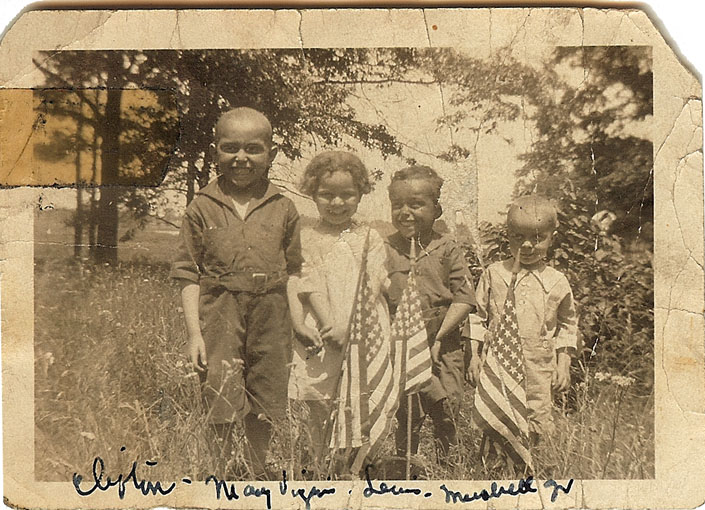
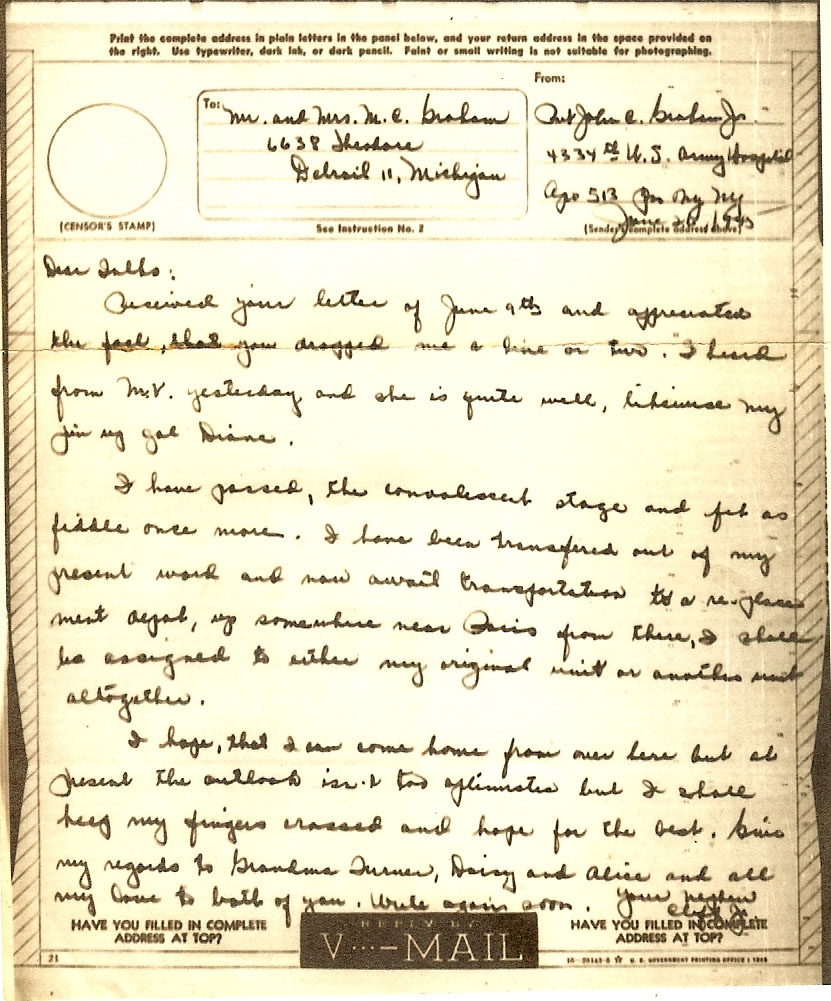
Clifton Graham was the son of my Grandfather Mershell Graham’s “play” brother, that is they were not blood relatives but considered each other brothers because they were both Grahams from Montgomery, AL. I don’t have much information about him and was unable to find much online. He was born May 28, 1919 in Montgomery, Alabama. By 1920 he and his family were in Detroit, Michigan. Below is a photograph of John Clifton (always called Clifton) and his brother Lewis with my Aunt Mary V. and my Uncle Mershell Graham, as children. They were all living in Detroit and I would guess it was taken on Memorial Day or the 4th of July at Belle Isle, a park in the middle of the Detroit River. My mother was probably a baby at the time and too young to be in the photograph. Read more here V…-mail.
Clifton, Mary V, Lewis, Mershell Graham. About 1923. Click to enlarge.
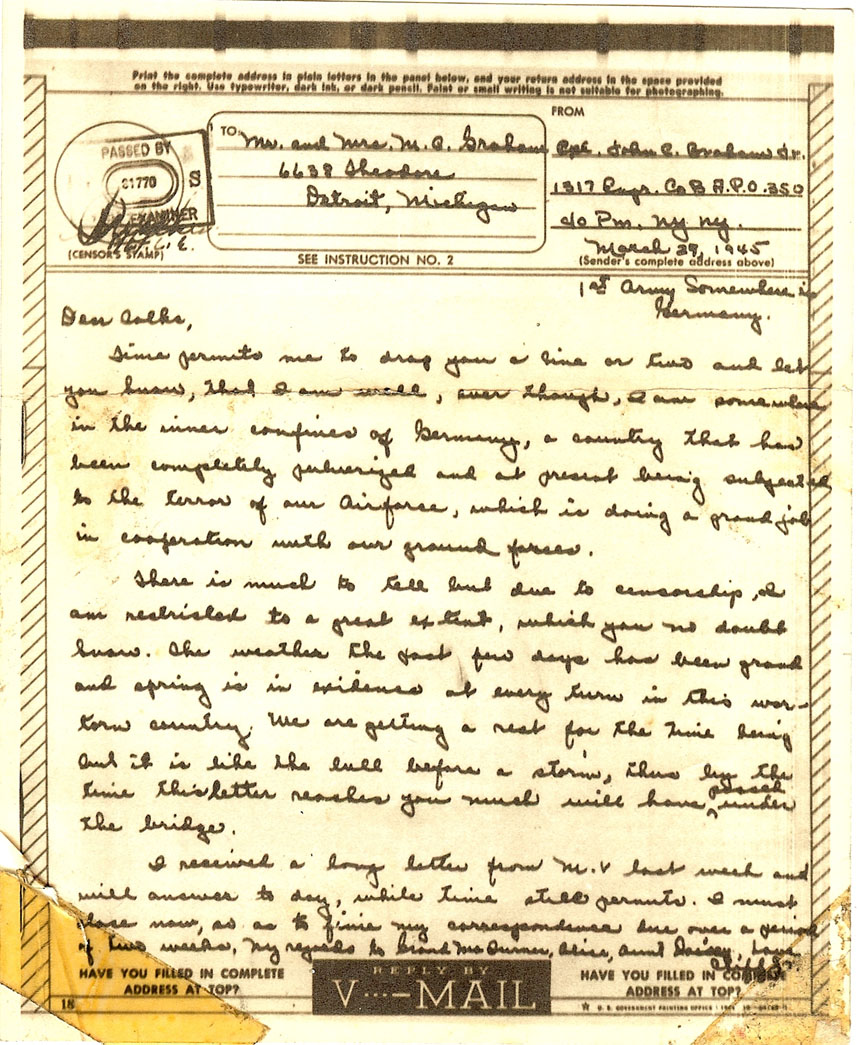
The two letters below were written to my Grandparents in March and July of 1945 by John Clifton Graham from Europe during WW 2.
Click to enlarge.
March 29, 1945
Dear Folks,
Time permits me to drop you a line or two and let you know that I am well, even though I am somewhat in the inner confines of Germany, a country that has been completely pulverized and at present being subjected to the terror of our Air Forces.
There is much to tell but due to censorship, I am restricted to a great extent, which you no doubt know. The weather the past few days has been grand and spring is in evidence at ever turn in this war torn country. We are getting a rest for the time being but it is like the lull before a storm, thus by the time this letter reaches you much will have passed under the bridge.
I received a long letter from M.V. last week and will answer today, while time still permits. I must close now so as to time my correspondence due over a period of 2 weeks, My regards to Grandma Turner, Alice, Aunt Daisy,
Love Cliff Jr.
What was happening in March 1945
March 29: The Red Army enters Austria. Other Allies take Frankfurt; the Germans are in a general retreat all over the centre of the country. March 30: Red Army forces capture Danzig. March 31: General Eisenhower broadcasts a demand for the Germans to surrender.
Click to enlarge.
June 25 1945
Dear Folks,
Received your letter of June 9th and appreciated the fact that you dropped me a line or two. I heard from M.V. yesterday and she is quite well, likewise my pin up gal Diane.
I have passed the convalescent stage and fit as fiddle once more. I have been transferred out of my present ward and now await transportation to a replacement depot, up somewhere near Paris from there, I shall be assigned to either my original unit or another unit altogehter.
I hope that I can come home from here but at present the outlook isn’t too optimistic but I shall keep my fingers crossed and hope for the best. Give my regards to Grandma Turner, Daisy and Alice and all my love to both of you. Write again soon.
Your nephew Cliff Jr.
June 5, 1945 – Allies divide up Germany and Berlin and take over the government. June 26, 1945 – United Nations Charter is signed in San Francisco.July 1, 1945 – American, British, and French troops move into Berlin. July 16, 1945 – First U.S. atomic bomb test; Potsdam Conference begins. July 26, 1945 – Atlee succeeds Churchill as British Prime Minister.
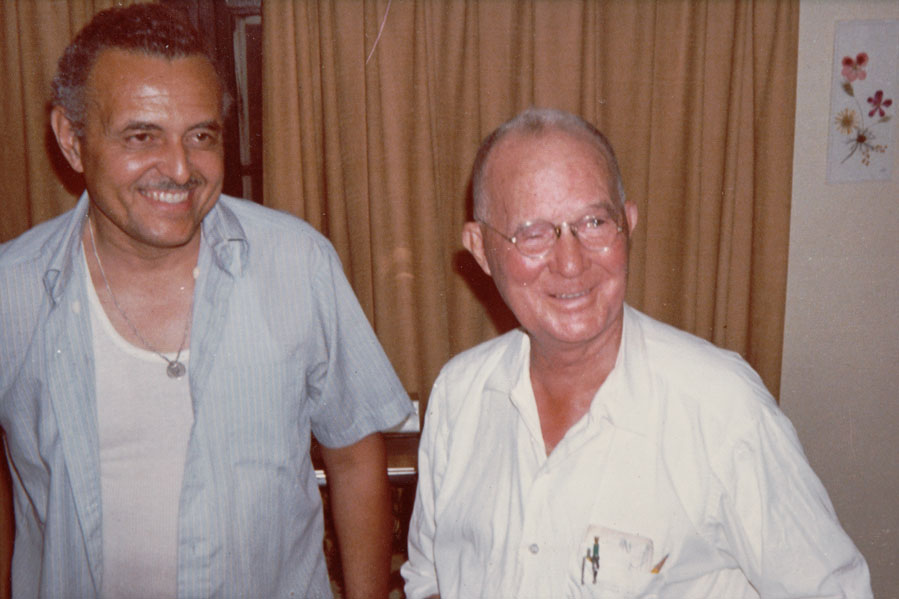
Cliff did survive the war and return to make a life for himself in Detroit. I’m trying to find more specific information but so far I have only found several church booklets from Plymouth United Church of Christ in the 1960s that show he was very active in the church. There are even a few group photographs. Unfortunately they aren’t labeled so I don’t know which is him. Found a photograph of him in 1973 with my grandfather, Mershell Graham. Taken just a few months before my grandfather died.
“Clifton and Daddy at Cliff’s house – Summer 1973. My last good picture of Daddy” written by my mother, Doris Graham Cleage.
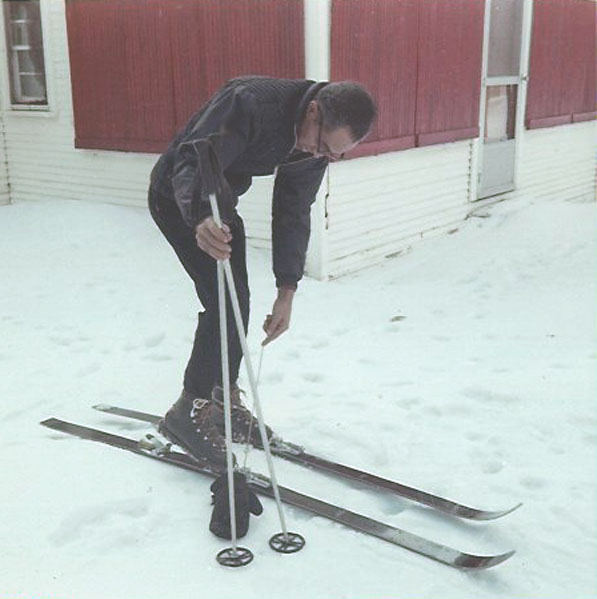
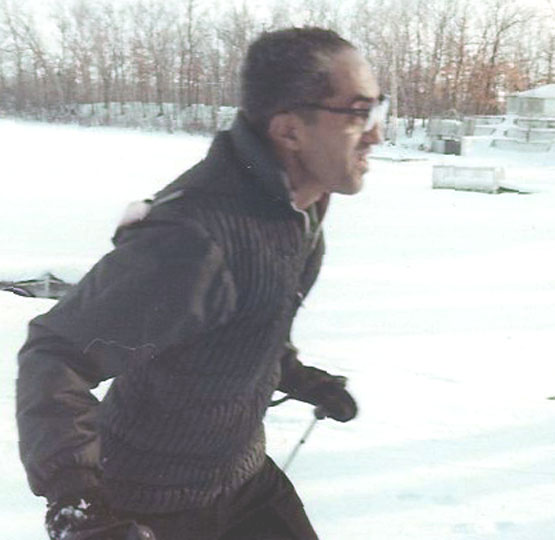
Back in the day, my uncles Hugh and Louis Cleage used to go up to Idlewild and ski. Sometimes my boy cousins got to go with them, but never any of the girls. It was a male bonding time, I guess. Anyway, we never did learn to ski, my sister and I, while the boy cousins became quite good at it. They sometimes went to Caberfae, a skiing resort very close to Idlewild. You can read about the history of Caberfae, with photographs, here Caberfae Peaks: 75 Years of Michigan Skiing.
My kids went cross country skiing there a few time. I wonder if I have any photos. Don’t seem to.
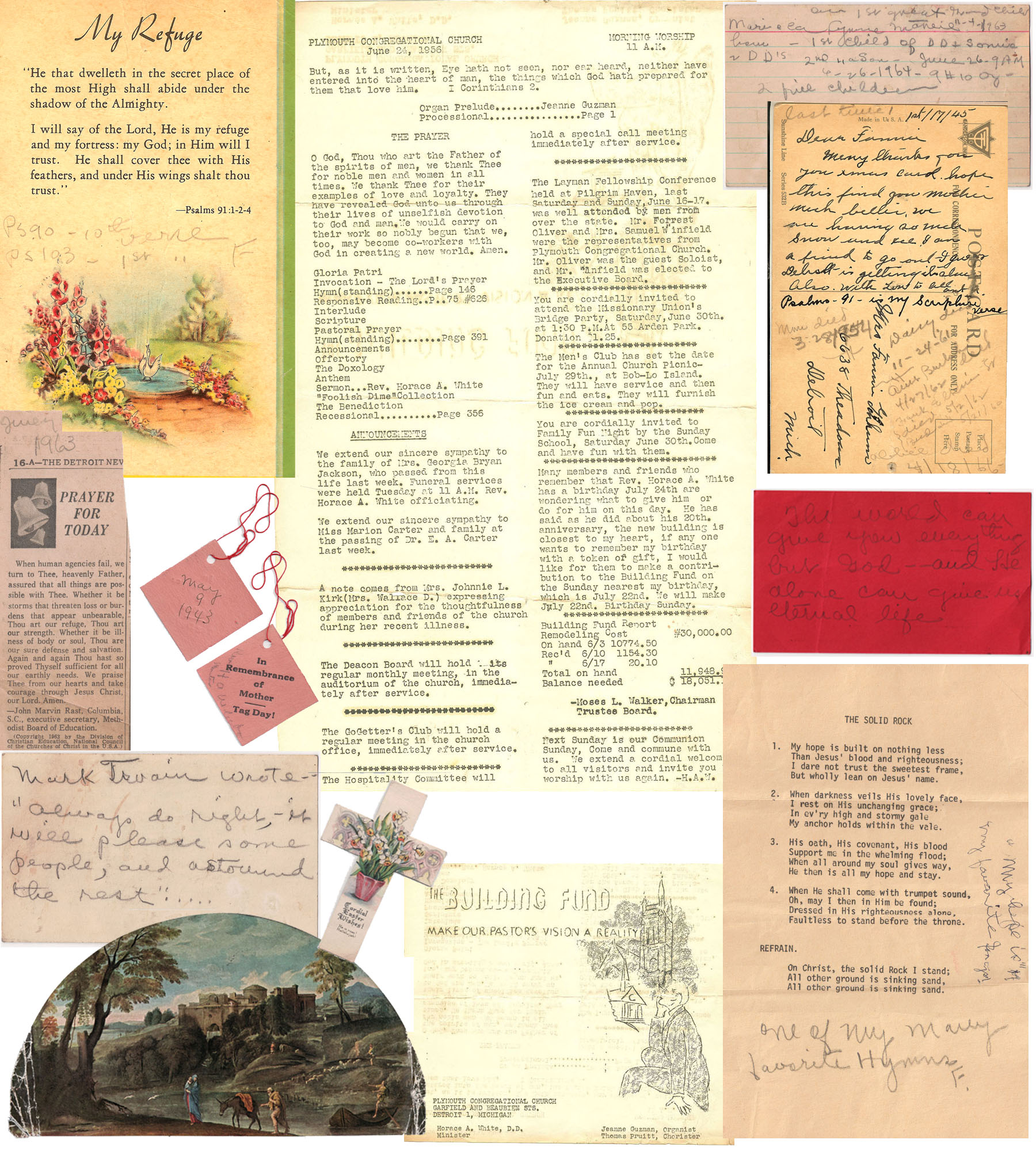
I wrote about my maternal grandmother’s Bible and the things I found in it in an earlier Sepia Saturday post, here Fannie Mae Turner’s Bible. Today, I posted some of the articles, prayers, postcard and a church bulletin that were in the Bible, along with all the swatches of hair. Click to enlarge.
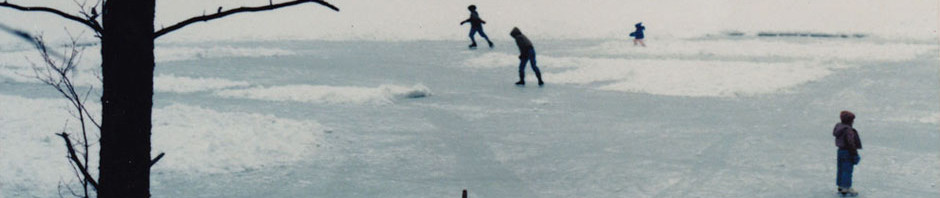
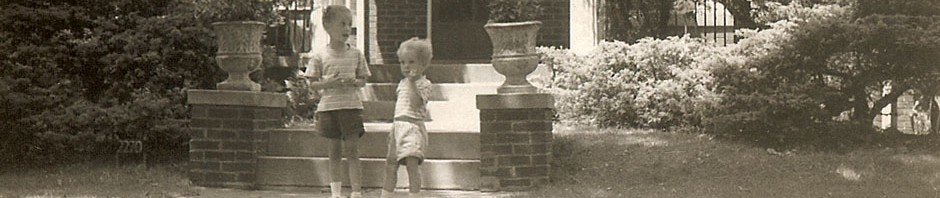
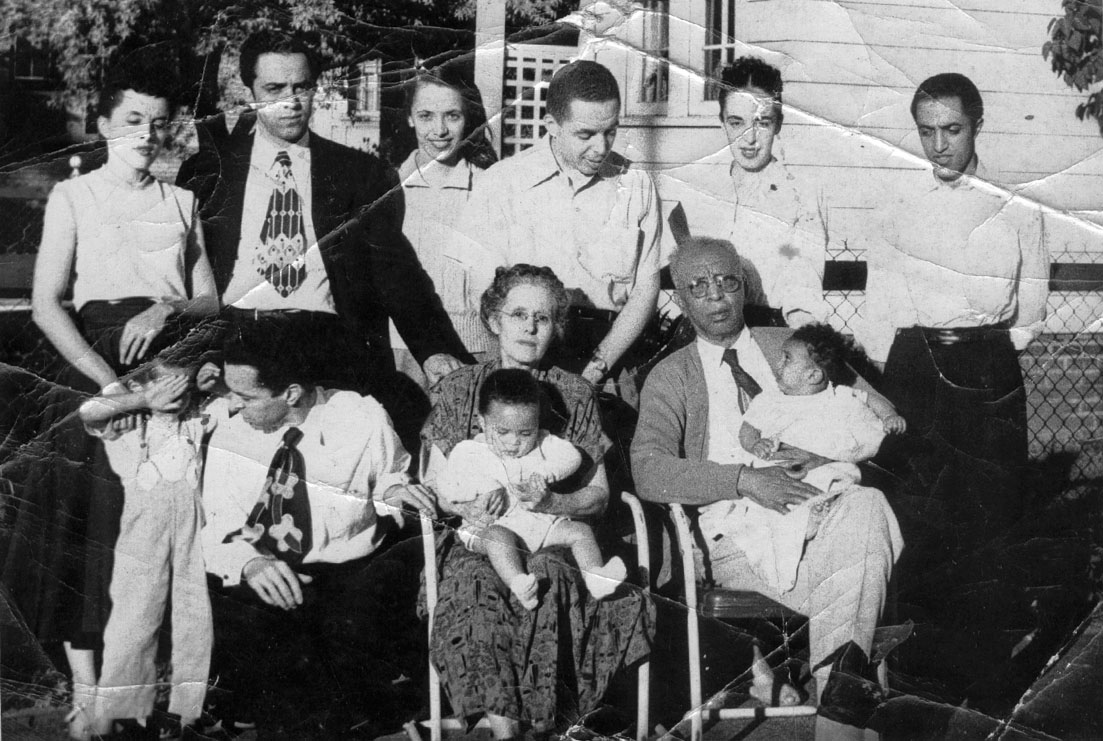
Several years ago I received this photograph of my grandparents with all of their children and 3 of their 7 grandchildren. My sister and I must have been at our maternal grandparent’s house. We do appear in the header photograph in front of the same house and the same year.
Front: Warren Evans; Henry Cleage; Pearl Cleage holding Dale Evans; Dr. Albert B. Cleage Sr holding Ernest Martin. Back: Gladys Cleage Evans; Louis Cleage; Anna Cleage Shreve; Albert B. Cleage Jr; Barbara Cleage Martin; Hugh Cleage. Summer 1951. 2270 Atkinson, Detroit, MI.