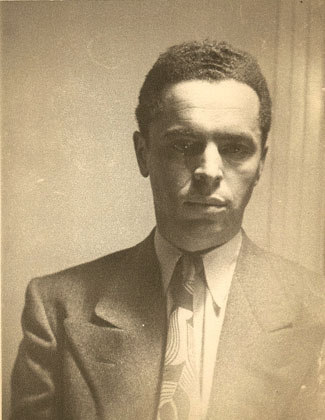
Old County Building and Mary V. Elkins

Henry_1955
Henry Cleage 1955

When I saw the prompt, I immediately thought of some photos of a building in Detroit that my uncle Henry Cleage took.  I found them in the first place I looked (amazingly). They aren’t labeled or dated but looking at a few old Detroit buildings I found they are of the old County Building. I would date them around 1950 from the people and cars.  These are only a few of the many.  Court was held in the building and Henry was a lawyer. Perhaps he had some cases there.
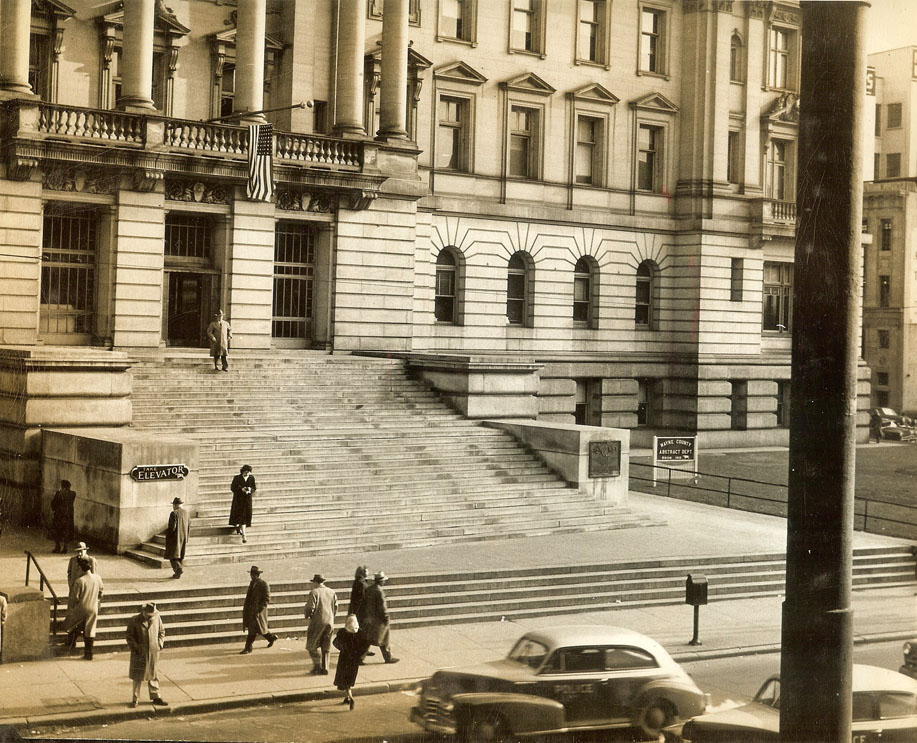
Old Detroit County Building

“The cornerstone was laid Oct. 20, 1897, in a ceremony that the Detroit Free Press called at the time “simple but impressive.” Under a headline in capital letters proclaiming, “It is laid!”, the Free Press wrote that it had rained all morning the day of the ceremony, but just at 2 p.m., as officials were gathering at Old City Hall, the sun broke and the clouds parted. A band led the procession down Cadillac Square to a platform decked out in American flags in front of the county building, where Judge Edgar O. Durfee had the honor of laying the cornerstone. Judge Robert E. Frazer gave what the Free Press called a “stirring address,” and Mayor William C. Maybury also participated.”   Go to Old Wayne County Building  – Historic Detroit to read a detailed history of the Old County Building.
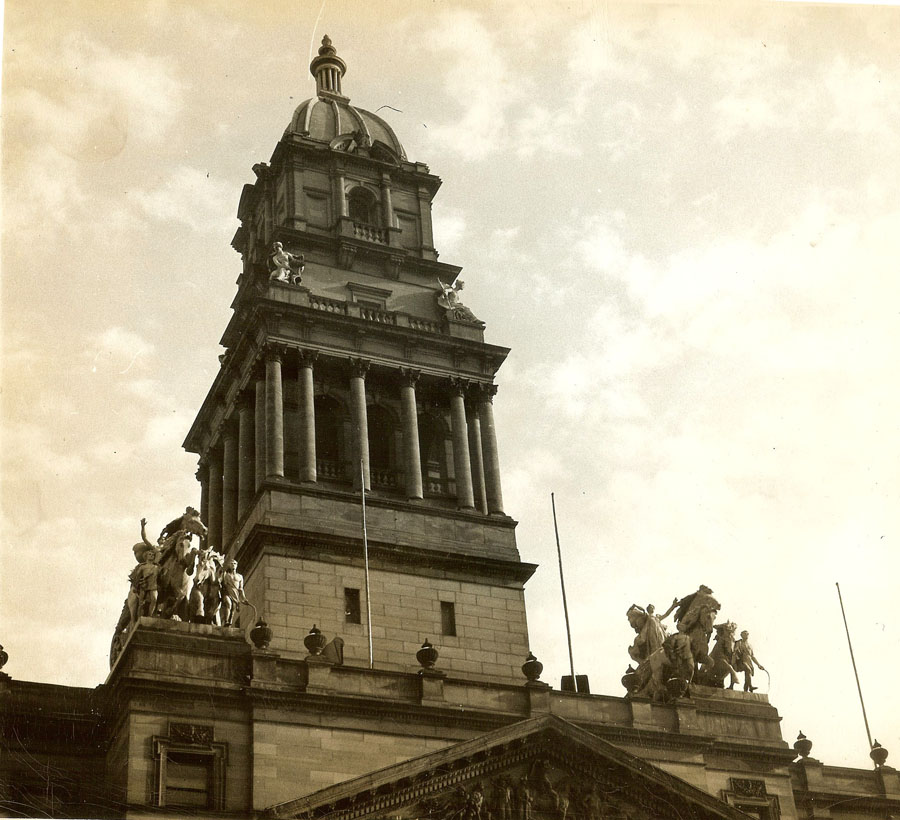
top_2_statues

“One of the building’s most prominent features is the pair of large sculptures flanking its center tower and portico. The copper sculptures are known as quadrigae, a Roman chariot drawn by four horses. The pieces were done by New York sculptor J. Massey Rhind, who intended the quadrigae to symbolize progress. They feature a woman standing in a chariot led by four horses with two smaller figures on either side.”  From Old Wayne County Building – Historic Detroit
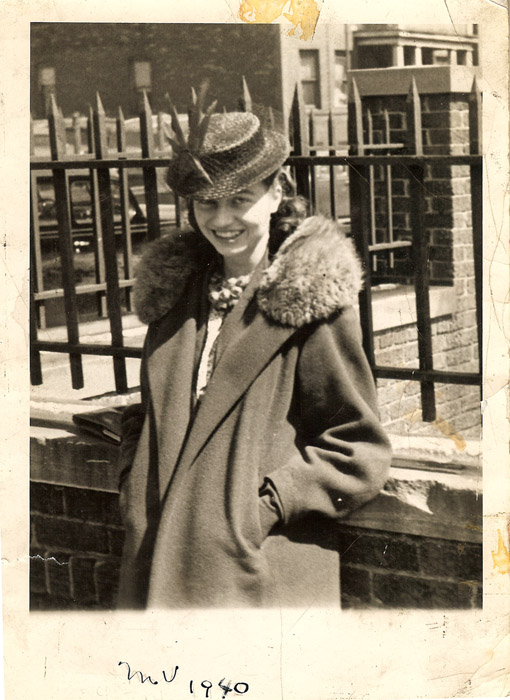
Mary Vee 1940 - In front of Plymouth Congregational Church.
Mary Vee 1940 – In front of Plymouth Congregational Church.

My mother’s sister, Mary V. Elkins, got a job at the County Building in 1940.

“June 10, 1940 — Mary Virginia has just gotten (through Jim and May) a good job at the County Bldg — God is so good to us. M.V. won high honor in her business Institute for typing and short hand.”  Fannie Mae Turner Graham’s little diary.

Mary V. attended business school after she graduated from Eastern High School, then worked for awhile at her cousin’s Newspaper office until he helped her get a job in the old county building.  She held the job for many years and received  a proclamation from the City of Detroit for her service to the city during a Family Reunion when she was in her 80s.
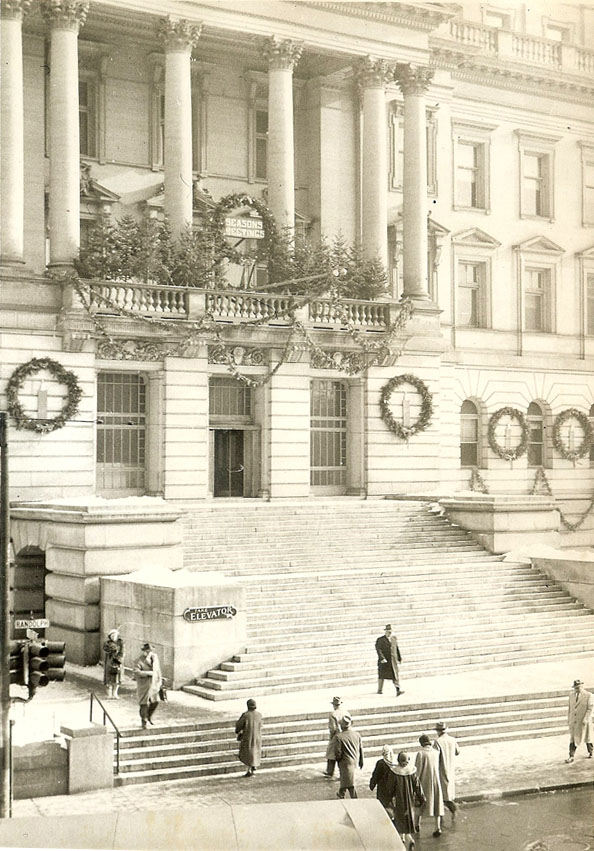

seasons greetings
Wayne County Courthouse (2)
Wayne County Courthouse

Old Wayne County Building could soon be allowed to seek buyers.  “A Wayne County Commission committee approved a nonbinding agreement today that would settle a nearly 3-year-old lawsuit against the owners of the Old Wayne County Building and allow the owners to seek potential buyers.”  From an April, 2013 article in the Detroit Free Press.
My Parents

Prompt  for week #28 in The Book of Me is – My Parents,  This is a very surface description of my parents. I have written other posts about them. Links to two are below.

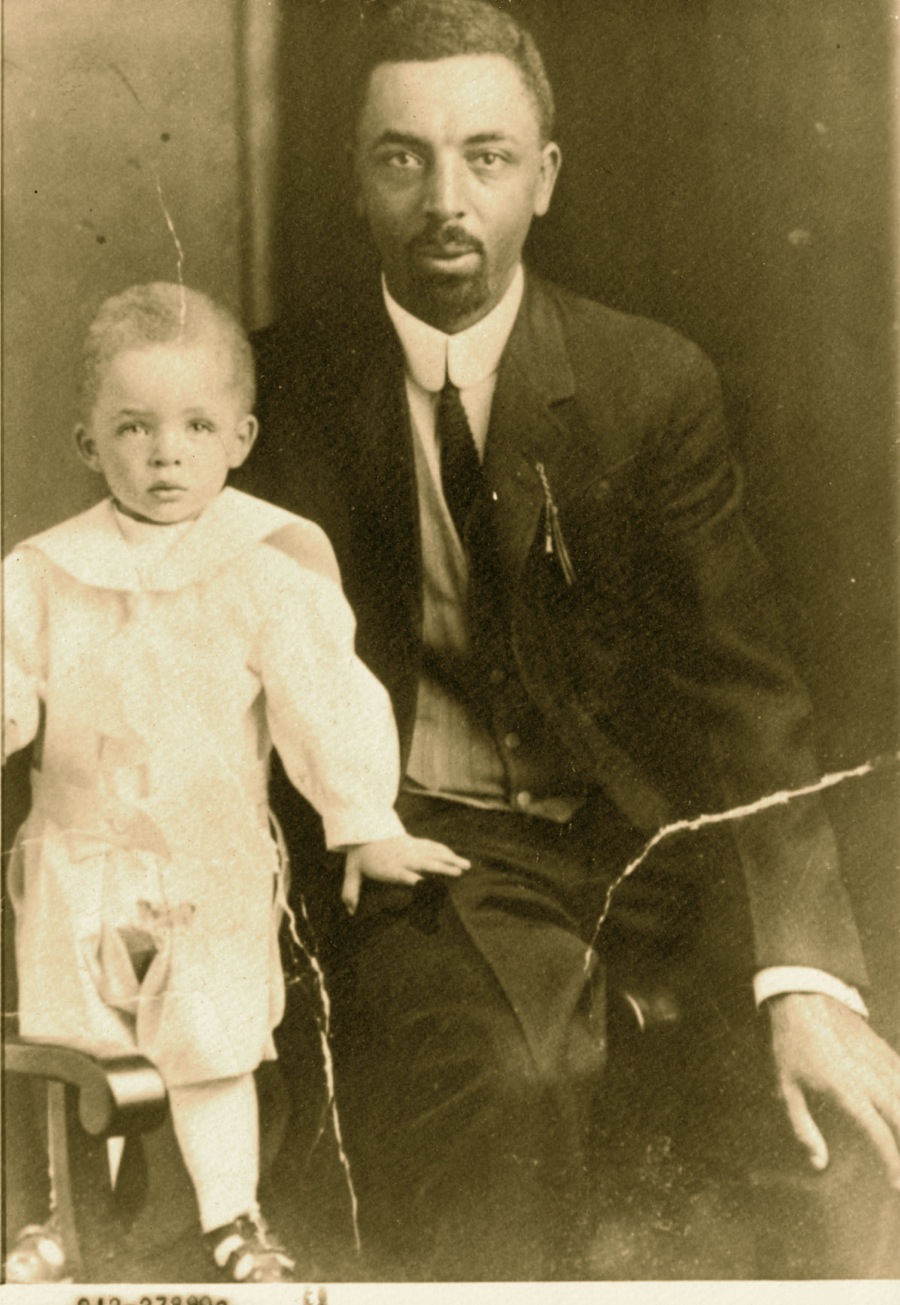
"Dr. Albert B. Cleage Sr and son Albert Jr"
Dr. Albert B. Cleage Sr and son Albert Jr – about 1913

My father, Albert, was born in 1911 in Indianapolis Indiana.  His parents, Albert and Pearl Cleage, met in 1907 when his father came from Athens, TN to attend Medical School.  His mother was born in Kentucky and moved to Indianapolis with her family before 1900. In 1912 my father and his parents moved to Kalamzaoo, MI where his father started his practice. By 1915 they were in Detroit where they remained.  He was the oldest of 7 children.  His nickname was Toddy and his friends and those who knew him in his youth continued to call him that throughout his life.  My father was one of the most intelligent people I have known.  He was well read and could think and understand both history and current events. I wonder what he would have to say about the state of the world today.

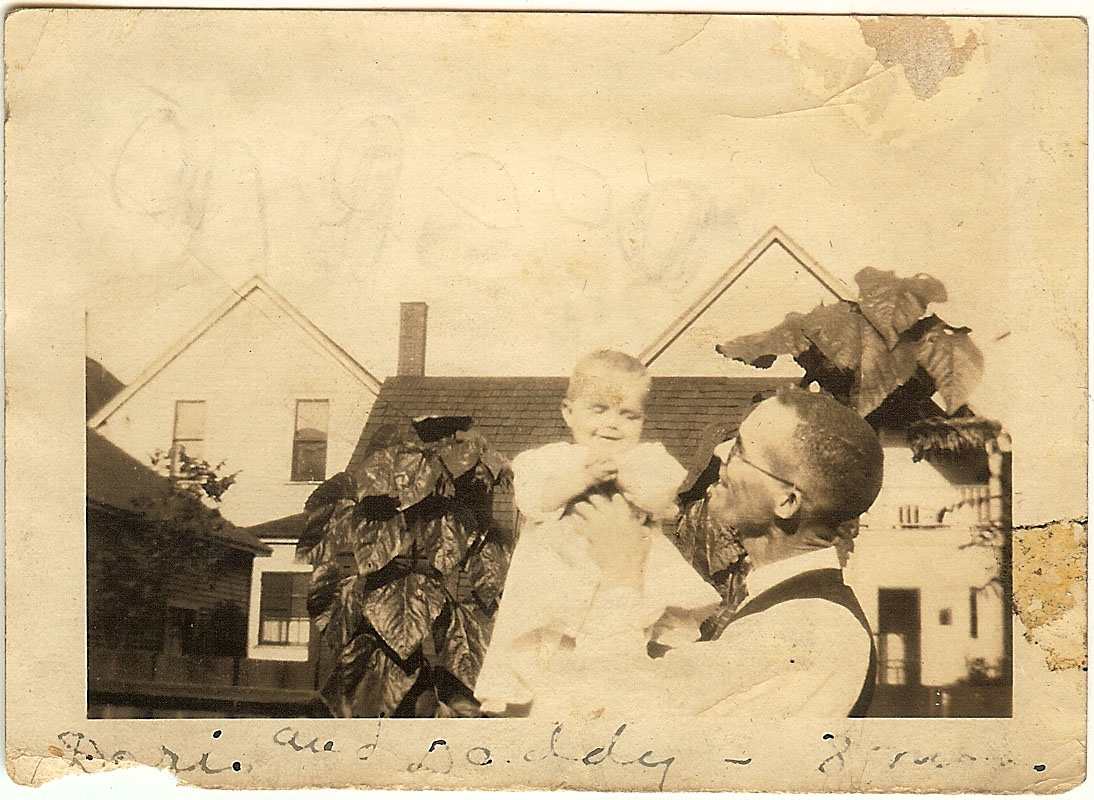
poppy_baby_doris
My mother with her father – 1924

My mother, Doris, was born in Detroit in 1923, the third child of Mershell and Fannie Graham who came to Detroit from Alabama in 1917.  She lived in Detroit, in the same house on Theodore, until she married in 1943.  The only nickname she had was “Stubs”, and the only person I heard call her that (a name she wasn’t fond of.) was her sister’s husband, my uncle Buddy Elkins.  My mother was one of the most independent people I have known.  She taught in Detroit elementary schools for almost 20 years.  She taught reading during the last years before she retired and loved helping children discover reading.

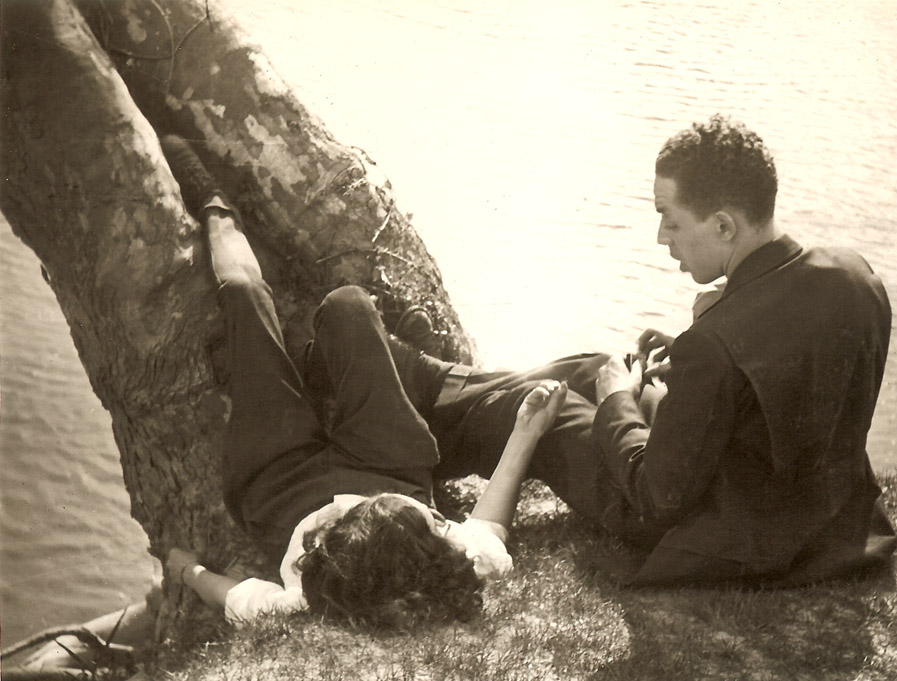
ma_daddy_meadows

They met at Plymouth Congregational Church and were married there in 1943.  In the early years of their marriage they moved several times – to Lexington, KY, to San Francisco and then Los Angeles, CA, to Springfield, MA and then back to Detroit.  Judging from letters my father wrote home, their marriage seemed to be one of shared interests and activities, until I was born. At that point, it seems to me, that my father expected my mother to become a traditional wife and mother while he continued the interesting life of organizing and running the church.

They were divorced in 1954.  They remained on friendly terms. We saw a lot of my father as he was home during the week so my sister and I ate lunch at his house during school week.  When we were older, we spent the weekend with him frequently.

In 1960 my mother married my father’s brother, Henry. They remained together until her death April 30, 1982.  My father never remarried.  He died February 20, 2000.

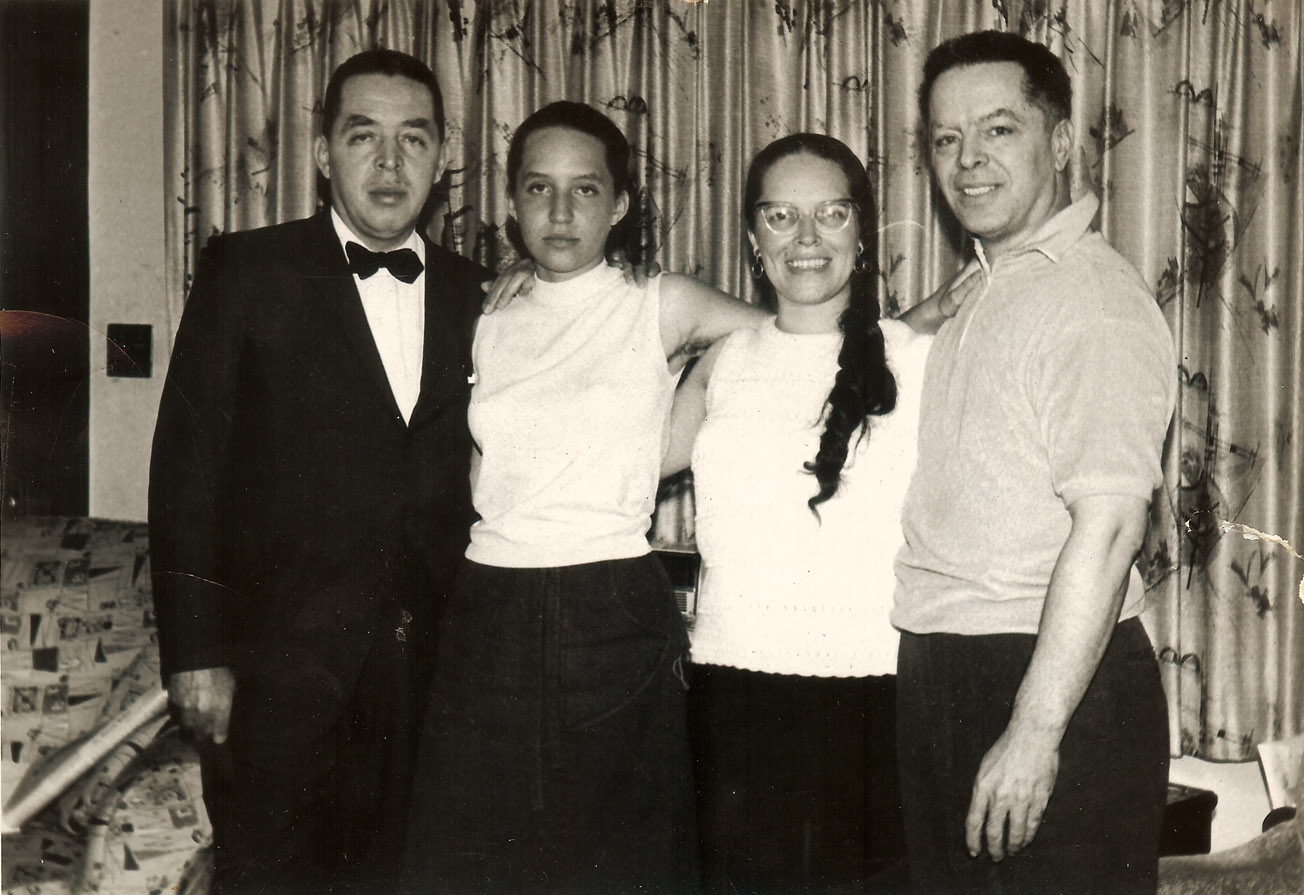
me_parents
My father, me, my mother, Henry. Photo by my sister Pearl Cleage. 1966.

I’ve written about my parents in these posts.

 100 Years – 100 Photos – 100 Sepia Saturdays  – Commemorating my father’s 100th birthday.

Growing Up – In Her Own Words – By and about my mother.

H is for a Nostalgic Interview with Henry – an interview about the Freedom Now Party. 1990s.

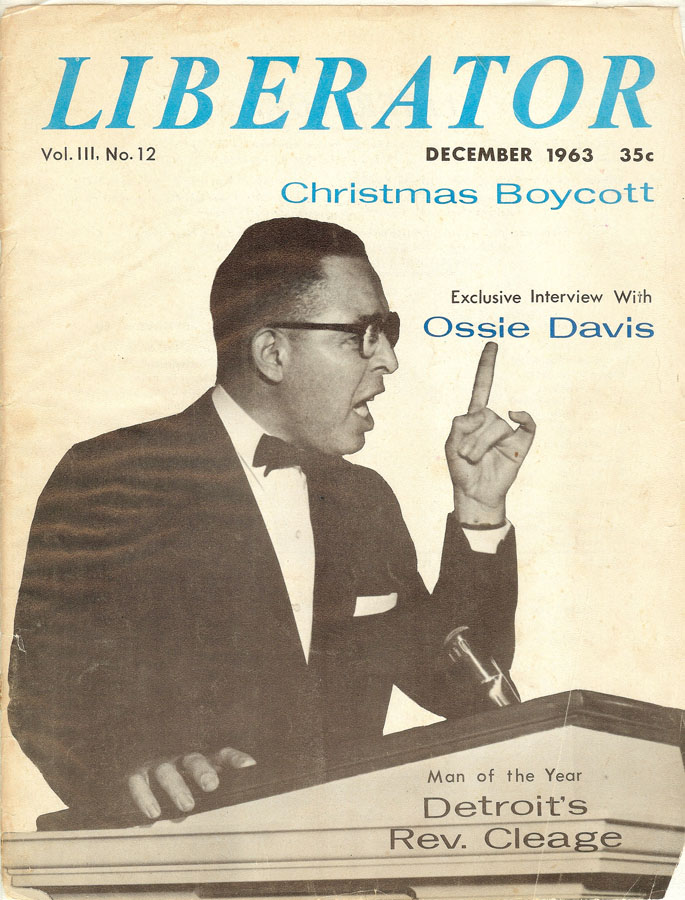
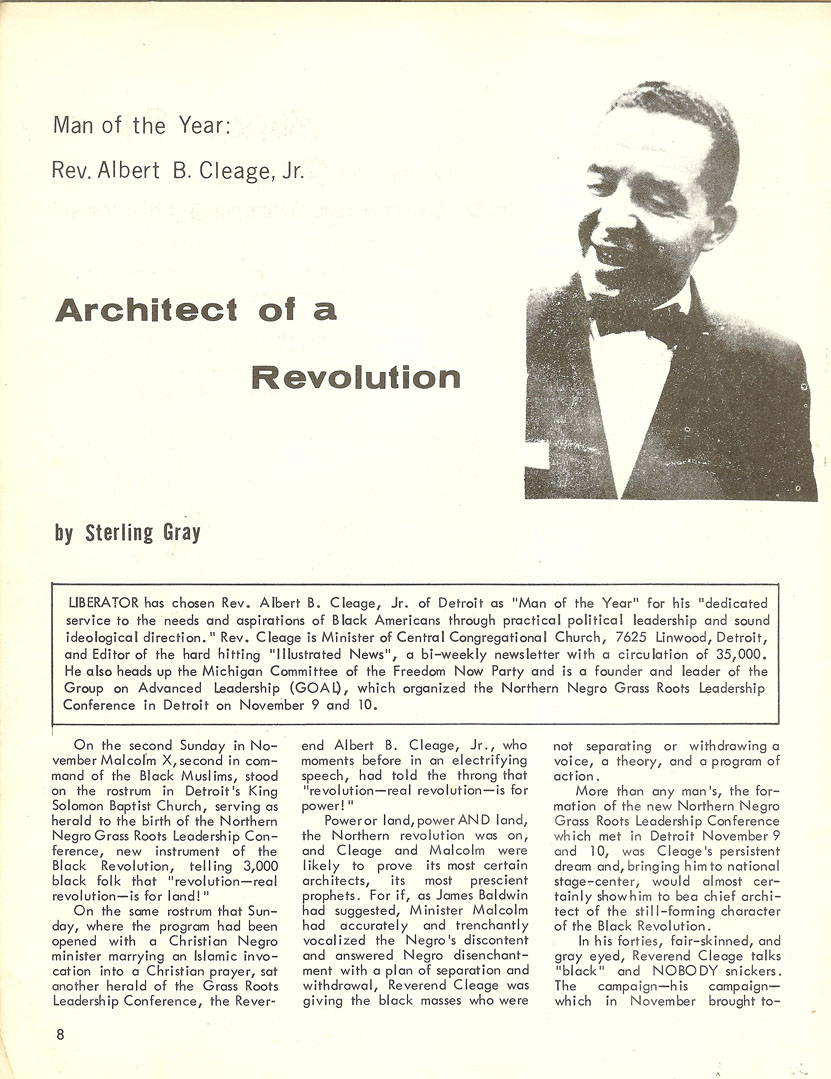
Man of the Year – Detroit’s Rev. Albert B. Cleage, Jr. (1963)

Today I saw a mention of the Liberator and thought of 1963, the year my father, then Rev. Albert Cleage and later known as Jaramogi Abebe Agyeman, was chosen by Liberator magazine as person of the year.  Sterling Grey (who wrote the article ) was a pen name of Richard Henry. He was later known as Imari Abubakari Obadele, and served as president of the Republic of New Africa.

liberator_cover liberator_page_8liberator_pg_9


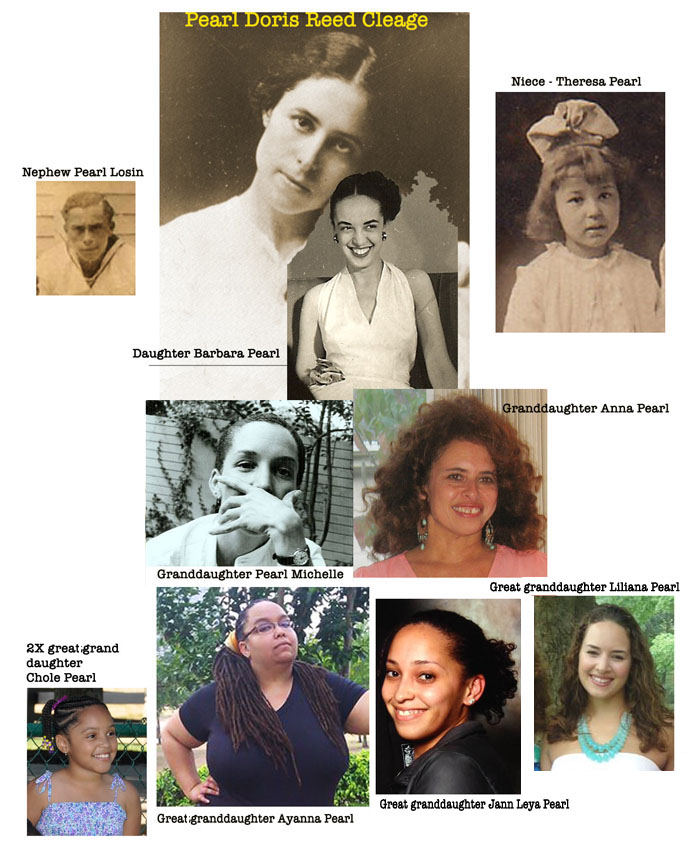
5 Generations of Pearls: 1886 – 2003

5 Pearls
5 Pearls

Names are sometimes repeated in a family generation after generation. In my family, Pearl is one such name. My grandmother, Pearl Doris Reed Cleage, was the first Pearl.  She was born in Lebanon, KY in 1886, the youngest of 8 children.

  1. Pearl Losin Mullins was the son of Pearl’s sister Minnie Mullins.  He was born in 1908 in Indianapolis, IN. and died in 1986 in California.
  2. Theresa Pearl Averette, was the youngest daughter of Pearl’s brother Hugh. She was born in 1913 in Indianapolis, IN. and died in 1941 in California.
  3. Barbara Pearl Cleage, daughter of Pearl was born in 1920 in Detroit, MI.
  4. Pearl Michelle Cleage, my sister, daughter of Pearl’s oldest son Albert and 2nd granddaughter was born in Springfield, MA in 1948.
  5. Anna Pearl Shreve is my grandmother’s youngest daughter’s daughter.  She was born in 1960 in Detroit, MI.  Anna Pearl was the 4th granddaughter.
  6. Ayanna Pearl, my daughter and my grandmother Pearl’s great granddaughter, was born in 1976 in Jackson, MS.
  7. Jann Leya Pearl, great granddaughter of Pearl Reed Cleage, was born in 1983 in the Detroit area.
  8. Liliana Pearl Nowaczewski, is another great granddaughter of the original Pearl. She was born in 1989 in Michigan.
  9. Chole Pearl is the youngest family Pearl.  She was born in 2003 in New Orleans, LA and is a great great granddaughter of Pearl Reed Cleage.


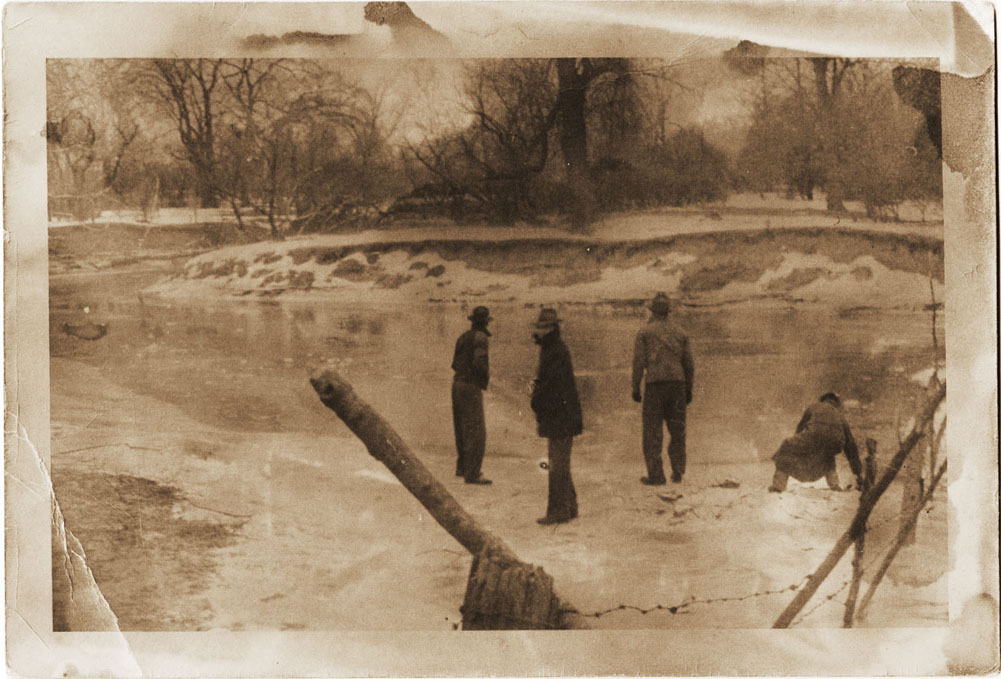
4 Men In Hats On Ice

ice_hats_4_men
Who are they? Probably include Hugh Cleage, Paul Payne, Louis Cleage and ? The original is not clear enough for me to really make them out.

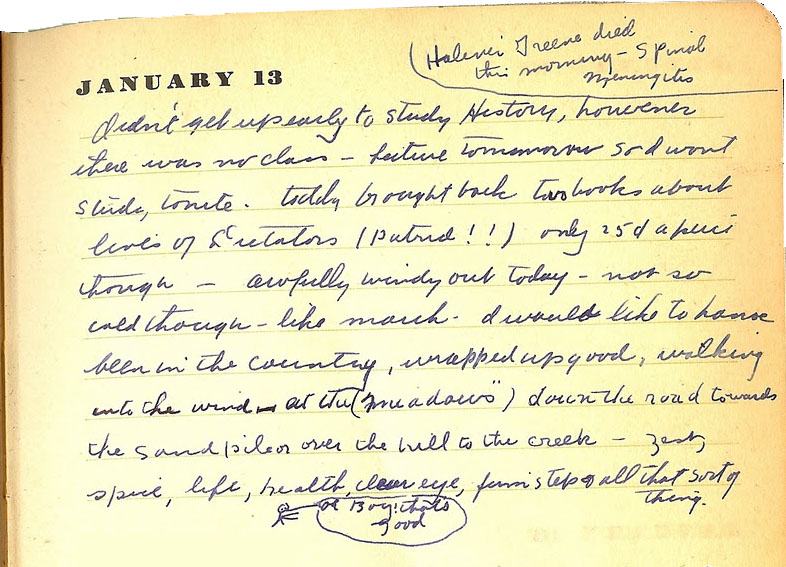
Entry from Henry Cleage's diary, 1936.
Entry from Henry Cleage’s diary, 1936.

January 13
Haliver Greene died this morning -spinal meningitis. Didn’t get up early to study History, however there was no class – lecture tomorrow so I won’t slide, tonight. Toddy bought back two books about lives of Dictators (putrid!!) only 25 cents a piece though – awfully windy out today-not so cold thought – like March. I would like to have been in the country, wrapped up good, walking into the wind at the Meadows, down the road towards the sand pile or over the hill to the creek – zest, spice, life, health, clear eye, firm step and all that sort of thing.

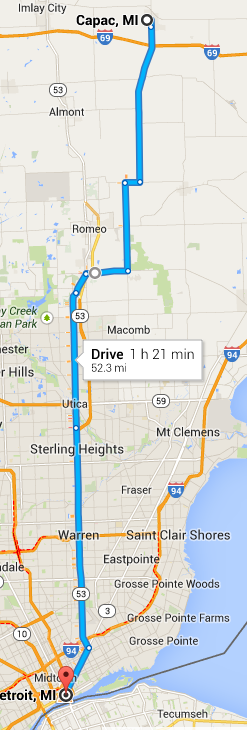
Route from Capac to Detroit.

The photograph was taken at “The Meadows” near Capac, St Clair County, Michigan around 1939, several months after the journal entry was written.

My Aunt Gladys remembers that her father Dr. Albert B. Cleage Sr  and a bunch of fellow doctors bought it. It was to be a place where everyone could get away and the kids could meet and play… big house on the property with a porch that wrapped around 2/3 of the house…  dances on the porches… near Capac Michigan… they sold it later. She kind of remembers parties on the porch… a getaway other than the Boule or Idlewild … her brothers and their friends spending a couple weeks at the meadows during the summer and brother Louis packing the provisions.

For more SepiaSaturday Offerings CLICK!
For more Sepia Saturday Offerings CLICK!

That’s a Creed: A ‘Day of Remembrance’ Salute to Jaramogi

My friend, historian Paul Lee shared this today and I am sharing it with you, in remembrance of my father who died on February 20, 2000 on Beulah Land, the Shrine’s farm in South Carolina.

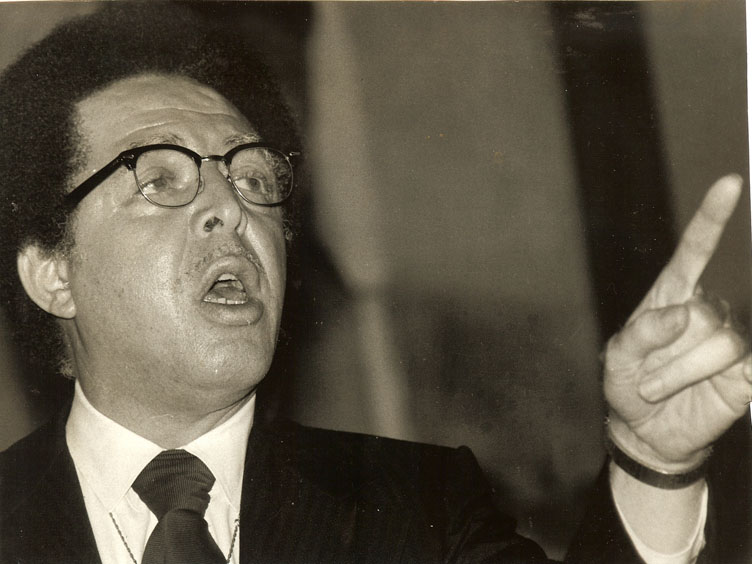
Preaching about 1972.
My father preaching about 1972.

‘A Day of Remembrance’ Salute to Jaramogi
By Paul Lee

On Feb. 20, 2000, Jaramogi Abebe Agyeman, formerly the Rev. Albert B. Cleage, Jr., the founder and first holy patriarch of the Shrines of the Black Madonna of the Pan African Orthodox Christian Church (PAOOC), returned to the ancestors at the age of 88.

Since then, the PAOCC and others who cherish the life, work and legacy of this visionary theologian, master-teacher, freedom fighter, nation-builder, father and father-figure, who on Easter Sunday 1967 proclaimed the self-determinationist creed of Black Christian Nationalism (BCN) to restore the African roots of Christianity and resurrect the original Israel as a “black nation within a nation,” have commemorated the anniversary of his passing as the “Day of Remembrance.”

COVENANT AND COMMITMENT

This year, I’m honored to share a rare audio recording of Jaramogi Abebe reading the original BCN Creed, his statement of the church’s sacred covenant with God and “Total Commitment” to God’s people, which he promulgated in early 1972.

From then until 2011, church members and often visitors faithfully recited it during every Sunday service at Atlanta, Ga., Beulah Land, S. C., Detroit, Flint and Kalamazoo, Mich., and Houston, Tex., and at the community and college cadres at Georgia, Illinois, New York and Pennsylvania.

FROM MOVEMENT TO CHURCH TO DENOMINATION

Jaramogi Abebe read the creed at a “Black Religion and Black Revolution” symposium at Duke University, Durham, N. C., on April 8, 1972.

He was then the presiding bishop of the Black Christian Nationalist Movement, founded on March 26, 1967, when he unveiled at Central United Church of Christ, formerly Central Congregational, Glanton Dowdell’s striking nine-by-18-foot Black Madonna and child chancel mural, after which the church would be renamed in January 1968.

From Jan. 27-30, 1972, the then-Reverend Cleage served as the general chairman of the second biennial Black Christian Nationalist Convention at Shrine #1, during which the BCN Movement became the BCN Church, a new “black” denomination. When he read the creed at Duke, he neglected to change “Movement” to “Church” in the final sentence.

In July 1978, the BCN Church evolved into the Pan African Orthodox Christian Church, named in honor of the African Orthodox Church (AOC), which grew out of Marcus Garvey’s Universal Negro Improvement Association (UNIA). After this, “Pan African Orthodox Christian Church” replaced “Black Christian Nationalist Church” in the creed.

NEW TITLE AND NAME

Five days before the Duke appearance, Sala Andaiye (also Adams), the Detroit minister’s new secretary, advised the symposium’s organizer: “We also have given Rev. Cleage an African name, Jaramogi Abebe Agyeman, and address him as Jaramogi.”

His Luo title (Jaramogi) and Amharic and Akan names (Abebe Agyeman), erroneously identified as Kiswahili by an amateur African names book, was given to him by the late Rev. George Bell, the BCN convention coordinator, who soon took the Kiswahili title Mwalimu and the Fulani and Kikuyu names Askia-Ole-Kariuki.

ORIGINAL BCN CREED

Below is the original creed read by Jaramogi Abebe (all-capitals represent the bold font used for “believe”; “INDIVIDUALISM” was capitalized in the original):

“I BELIEVE that human society stands under the judgment of one God, revealed to all and known by many names. His creative power is visible in the mysteries of the universe, in the revolutionary Holy Spirit which will not long permit men to endure injustice nor to wear the shackles of bondage, in the rage of the powerless when they struggle to be free, and in the violence and conflict which even now threaten to level the hills and the mountains.

“I BELIEVE that Jesus, the Black Messiah, was a revolutionary leader, sent by God to rebuild the Black Nation Israel and to liberate Black people from powerlessness and from the oppression, brutality, and exploitation of the white gentile world.

“I BELIEVE that the revolutionary spirit of God, embodied in the Black Messiah, is born anew in each generation and that Black Christian Nationalists constitute the living remnant of God’s chosen people in this day, and are charged by him with responsibility for the liberation of Black people.

“I BELIEVE that both my survival and my salvation depend upon my willingness to reject INDIVIDUALISM and so I commit my life to the liberation struggle of Black people and accept the values, ethics, morals and program of the Black Nation, defined by that struggle, and taught by the Black Christian Nationalist Movement.”

At the end of the recording, Jaramogi Abebe pauses, then says, “That’s a creed.” Indeed!

Grand River & Temple – Anatomy of a Post

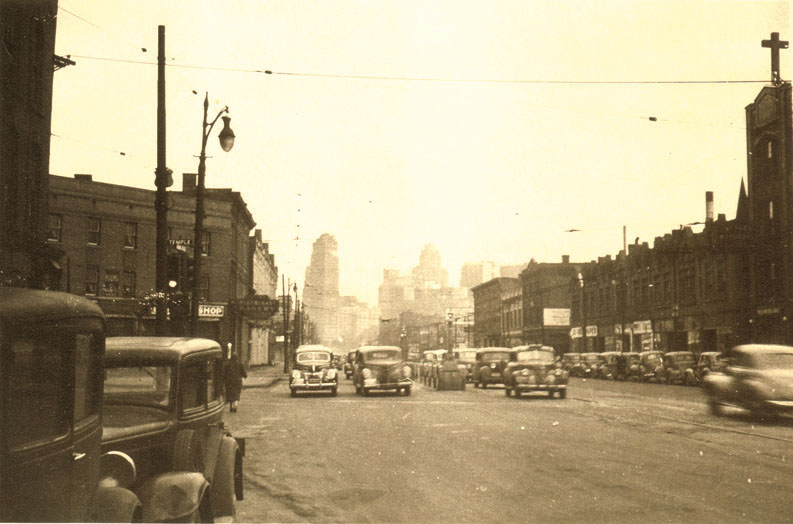
Looking south on Grand River Ave in Detroit toward Downtown. 1940s.
Looking south on Grand River Ave in Detroit toward Downtown. About 1940.

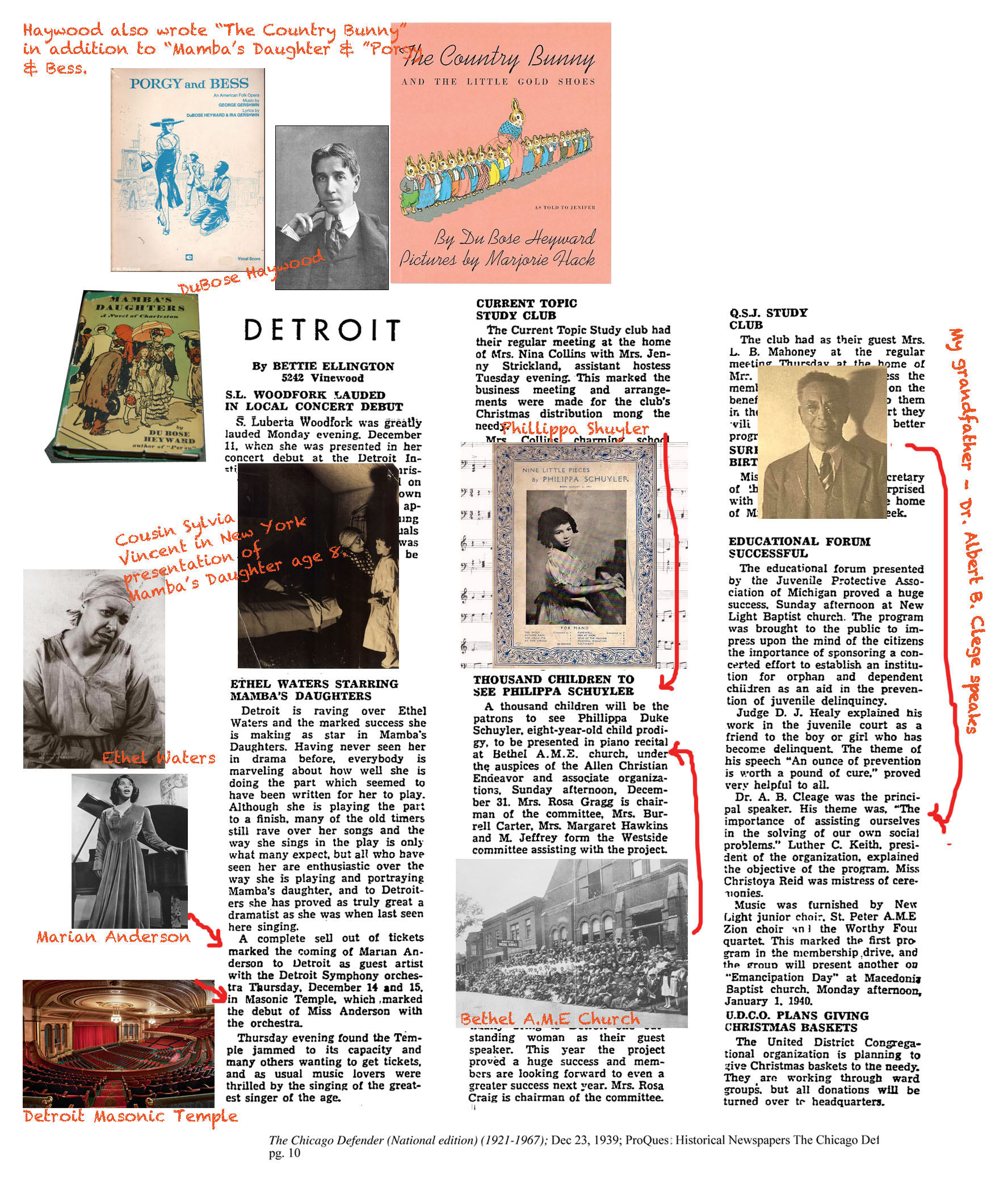
When I saw the prompt for this weeks Sepia Saturday, I knew that I wanted to use this picture if I hadn’t already used it.  It comes from my Cleage photo collection and my father or one of his brothers took it around 1939 – 1940, judging by the cars.  After posting it, I decided to look and see what was going on with my Cleages around then. There was an article that mentioned my Grandfather, Dr. Albert B. Cleage Sr. speaking at a meeting at New Light Baptist Church. This was part of a larger column in the Chicago Defender devoted to Detroit happenings.

Ethel Waters was performing in “Mamba’s Daughters”. During this same time my cousin, Sylvia Vincent played the part of one of Mamba’s daughters at a young age, she was 8. While I was looking for a picture of Ethel Waters, I noticed that the author, Dubose Haywood had written the book and also written “Porgy and Bess” and, surprising to me, one of my favorite books of all times, “The Country Bunny” who is choosen over all the big, rich fast bunnies to be one of the Easter Bunnies and she has trained her 21 little bunnies to take care of the house in her absence and does a stellar job of being brave and steadfast and true to the end.

Marian Anderson was singing in the Masonic Temple, which was just a few blocks up Temple from the corner in the photograph. This was the year that the Daughter’s of the American Revolution refused to let her sing to an integrated audience in Constitution Hall and so she ended up preforming on the steps of the Lincoln Memorial for 75,000 people and to untold millions via radio.

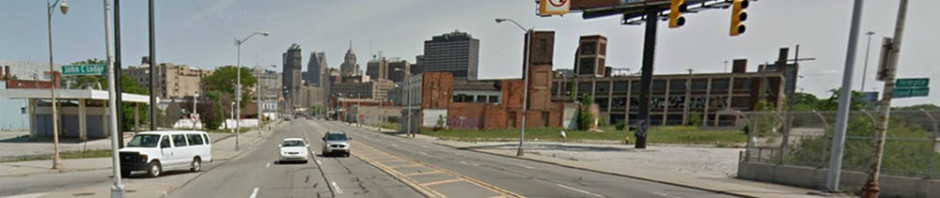
Child prodigy, pianest Phillippa Shuyler was to preform to a thousand children at Bethel A.M.E. church.  There was a lot going on in Detroit at the end of 1939 and I never would have noticed if I hadn’t been looking for something to relate to the photograph of Grand River Avenue and Temple.  The heading is a photo from Google Maps of that corner as it looks today.

what_was_happening

For more Sepia Saturday posts, CLICK!

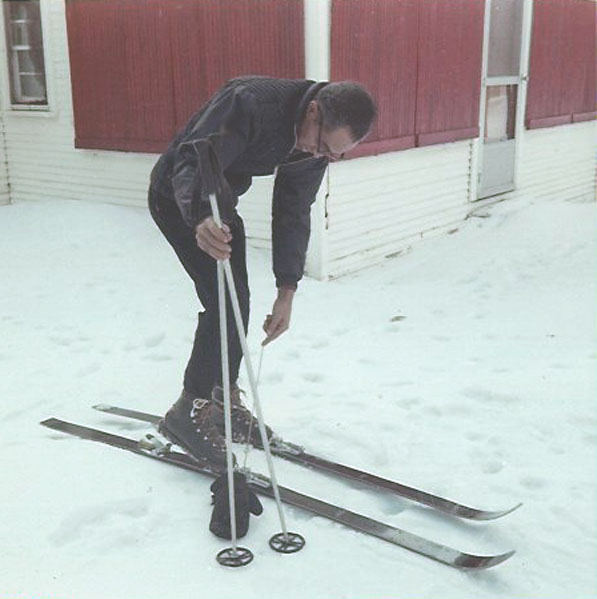
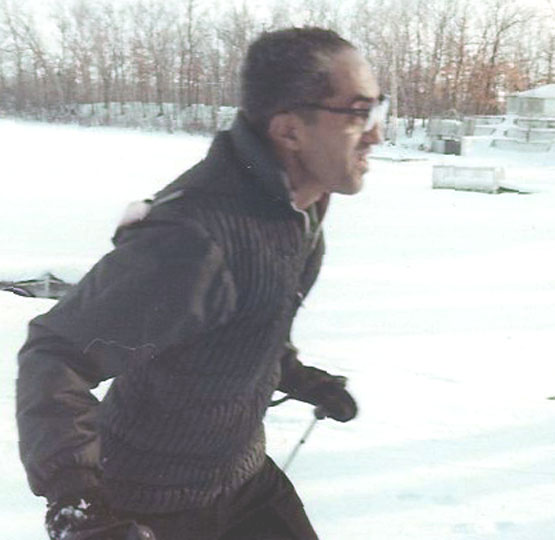
Hugh Cleage Skiing

Back in the day, my uncles Hugh and Louis Cleage used to go up to Idlewild and ski. Sometimes my boy cousins got to go with them, but never any of the girls. It was a male bonding time, I guess.  Anyway, we never did learn to ski, my sister and I, while the boy cousins became quite good at it. They sometimes went to Caberfae, a skiing resort very close to Idlewild. You can read about the history of Caberfae, with photographs, here Caberfae Peaks: 75 Years of Michigan Skiing.

My kids went cross country skiing there a few time.  I wonder if I have any photos.  Don’t seem to.

skiingGetting ski’s on next to Louis’ cottage.

skiing_2Hugh skiing on Lake Idlewild.

2014.01W.06
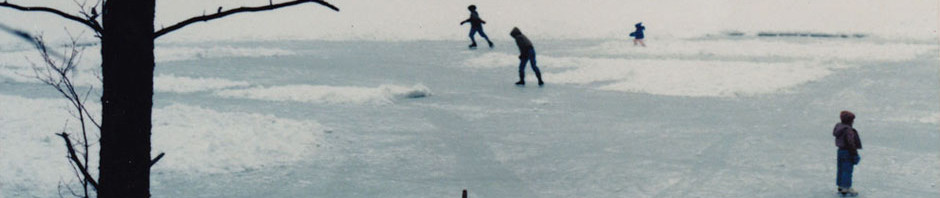
For more snowy photos, CLICK!

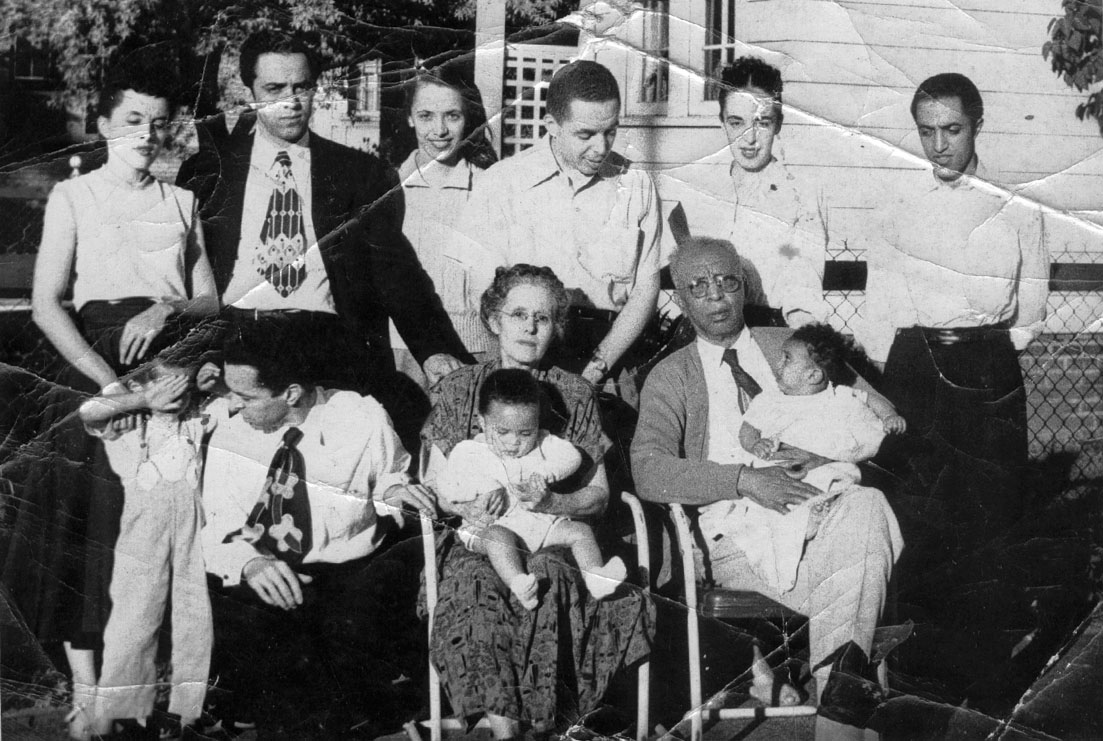
A Cleage Family Photo – 1951

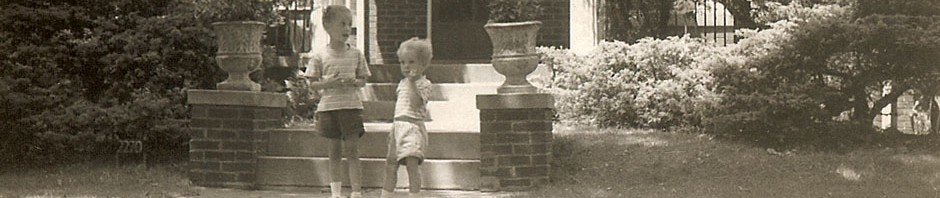
Several years ago I received this photograph of my grandparents with all of their children and 3 of their 7 grandchildren. My sister and I must have been at our maternal grandparent’s house.  We do appear in the header photograph in front of the same house and the same year.

Front: Warren Evans, Henry Cleage, Pearl Cleage holding Dale Evans; Dr. Albert B. Cleage Sr holding Ernest Martin. Back: Gladys Cleage Evans; Louis Cleage; Anna Cleage; Albert B. Cleage Jr; Barbara Cleage Martin; Hugh Cleage. Summer 1951. 2270 Atkinson, Detroit, MI.
Front: Warren Evans; Henry Cleage; Pearl Cleage holding Dale Evans; Dr. Albert B. Cleage Sr holding Ernest Martin.
Back: Gladys Cleage Evans; Louis Cleage; Anna Cleage Shreve; Albert B. Cleage Jr; Barbara Cleage Martin; Hugh Cleage.
Summer 1951. 2270 Atkinson, Detroit, MI.

Cleages In Black and White

Several days ago, I found the will of Alexander Cleage, which mentioned my Cleage Ancestors: Frank, Juda and Lewis Cleage by name, as he willed them to his wife. After finding the will, I did two things.  First, I went back through the other documents I have concerning the white Cleages and slavery.  I found a bill of sale wherein David Cleage and his sister Elizabeth sold some of their inherited slaves (including my great-great grandfather, Frank) to Alexander.  I had believed that my family went from Samuel Cleage to son David, and remained with him, after Samuel’s death.  This cleared that up.

Next, I set up a tree for the white Cleages on Ancestry.com. Through the shakey leaves I found another will. This one for Elijah Hurst, father of Alexander’s wife Jemima Hurst Cleage. In the will, Elijah deeds Jemima my great-great grandmother, Juda, who (along with several other slaves) he had already given her when she married.  There was a wealth of information and documentation available on Ancestry which I am going through now.

After going through those documents, I will modify the timelines I have for Frank and Juda Cleage.  I am also going to be looking for traditions surrounding giving ones daughter a couple of slaves to take with her when she married.  This is the second case of that I have found in my family.  My great great grandmother Eliza was given to Edmund Harrison’s daughter Martha Harrison, when she married Milton Saffold.

This is the year that I plan to devote some real time to writing up my family history. More about that later.

Related Posts

Article of Agreement Between Samuel Cleage and Overseer – 1834

Cleage Bricks

The Will – 1860