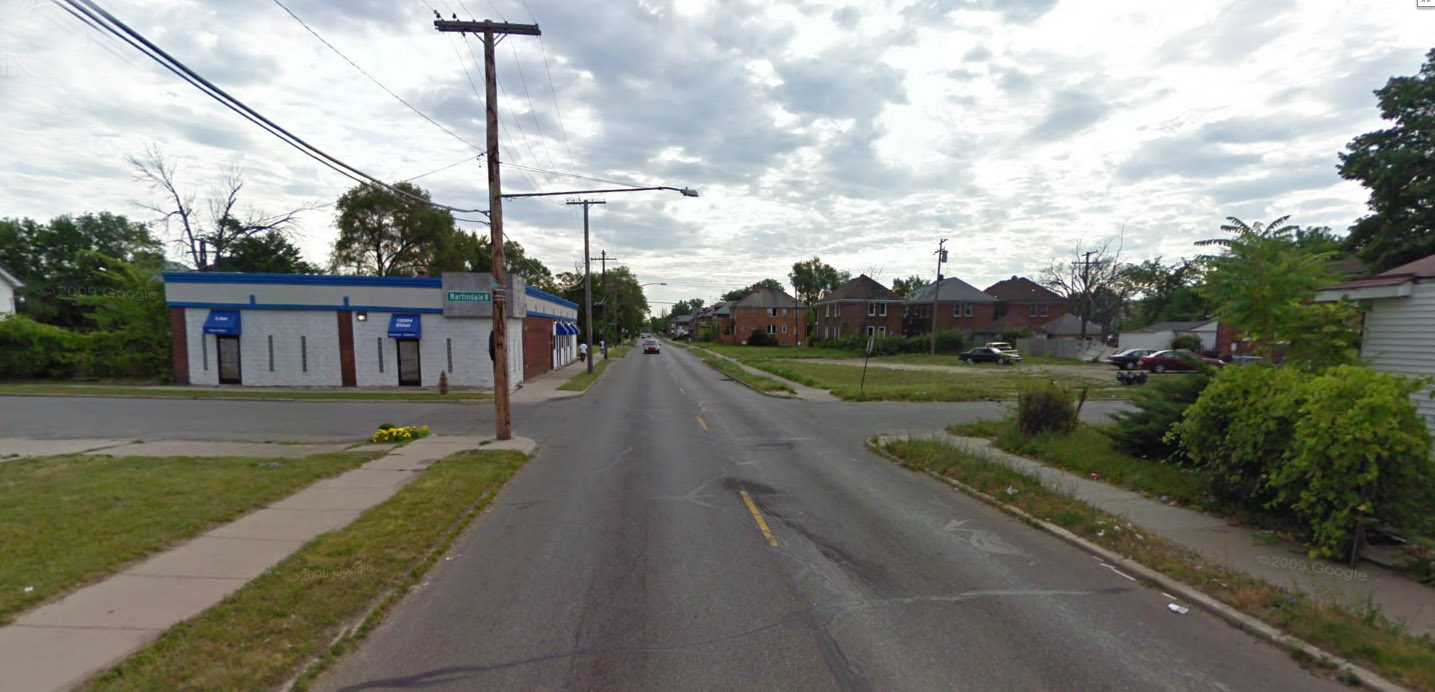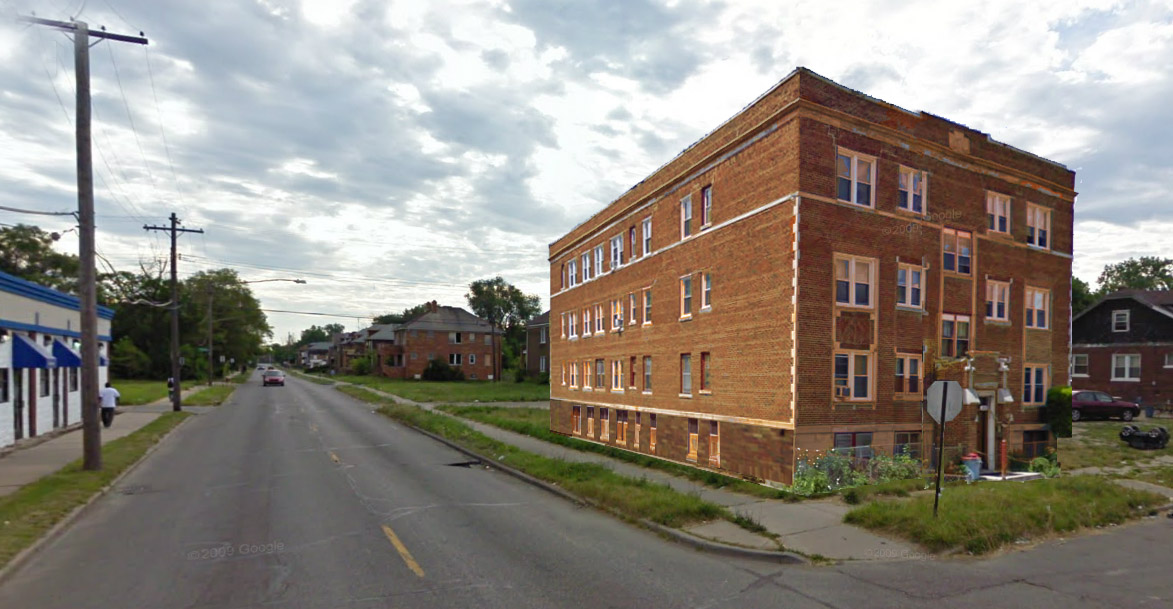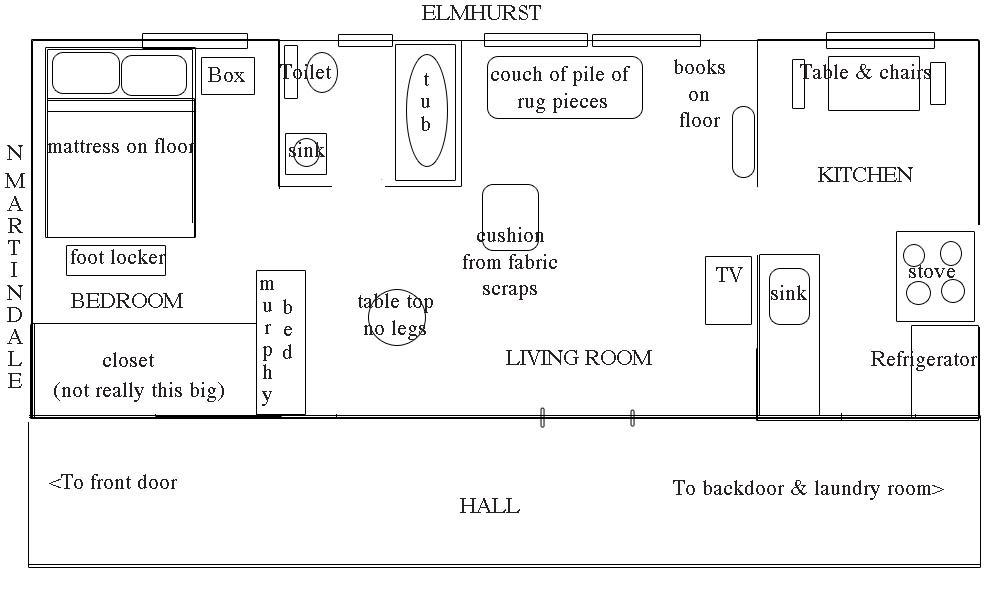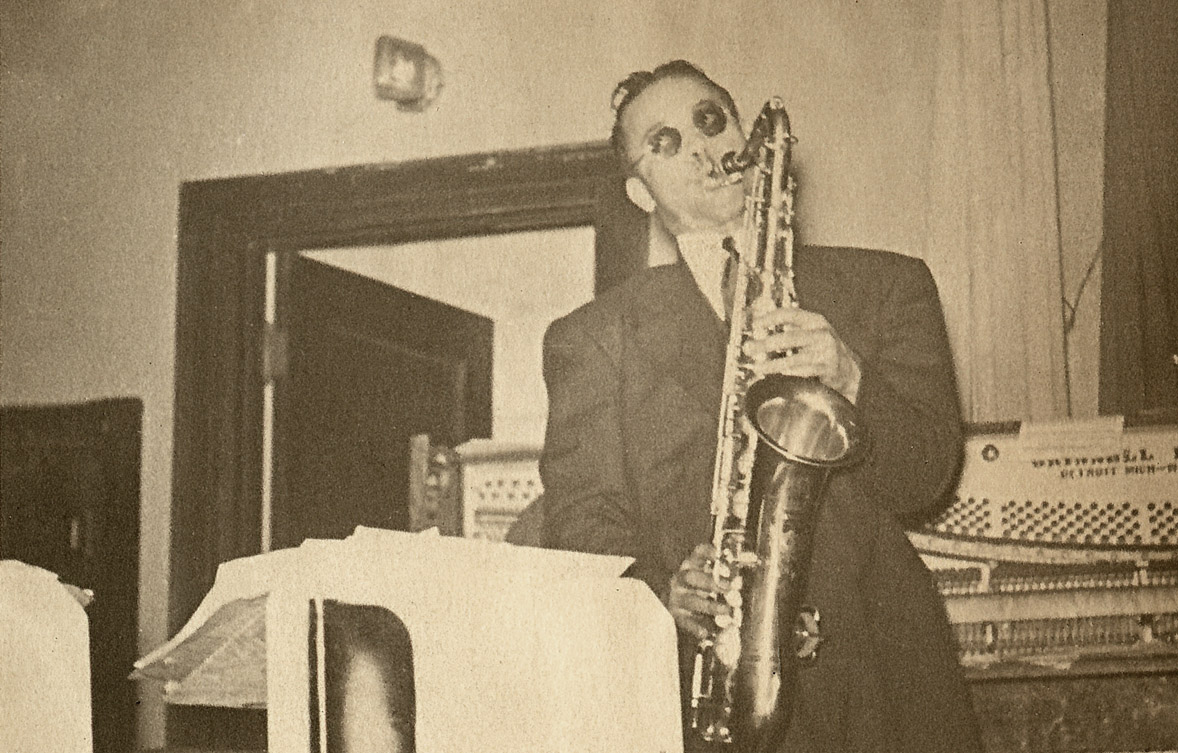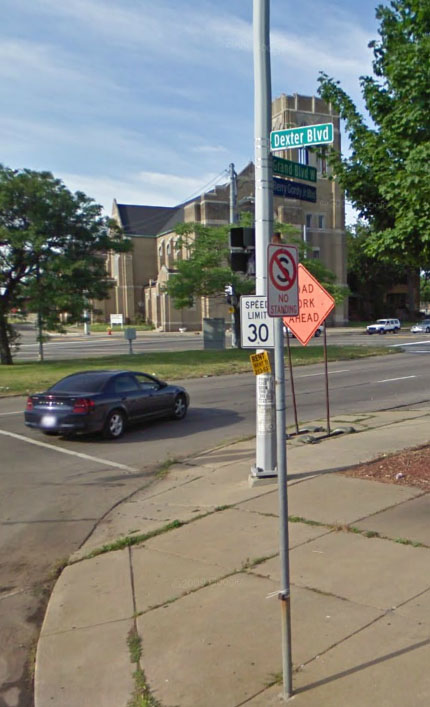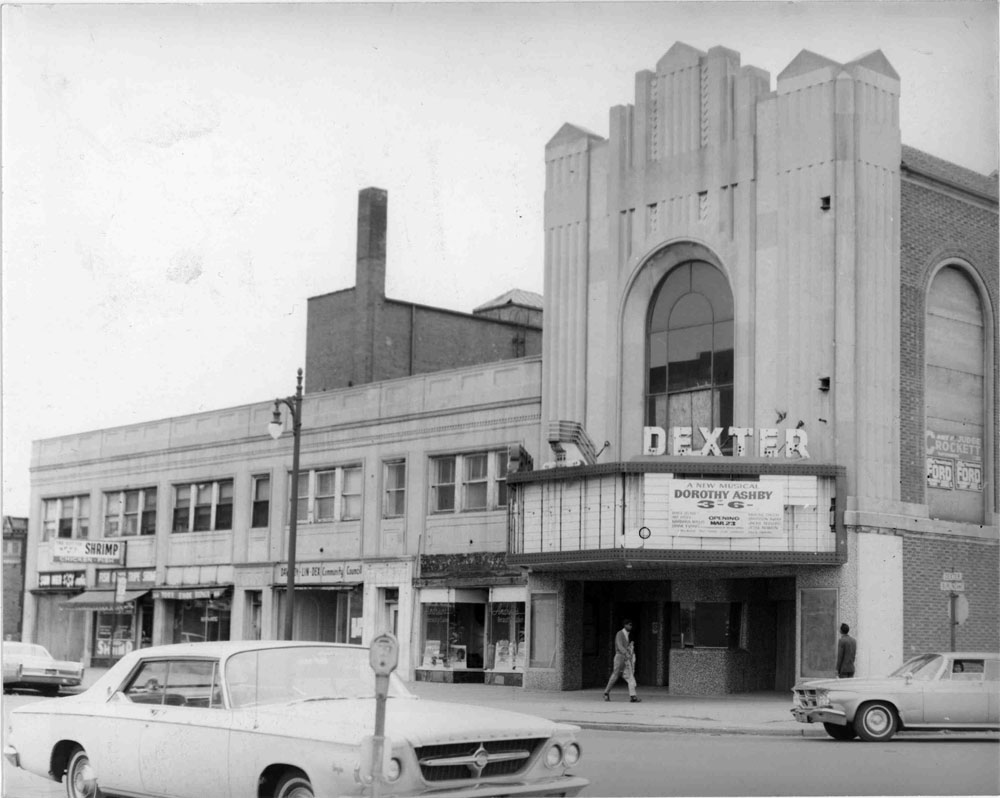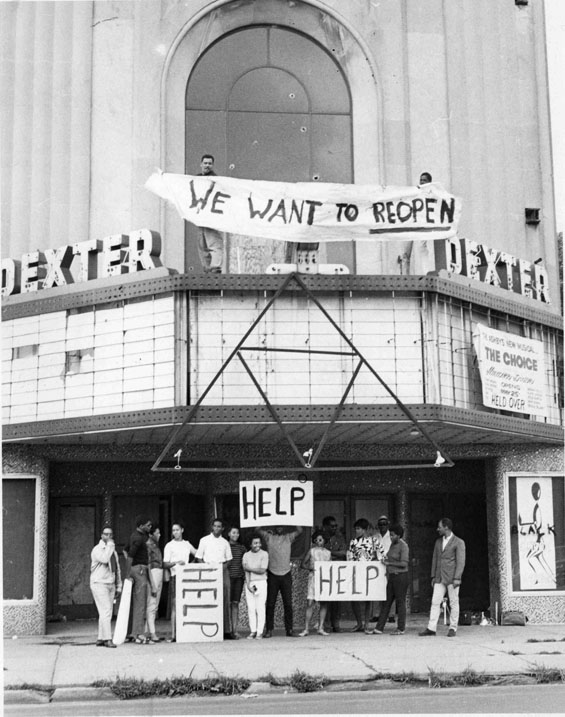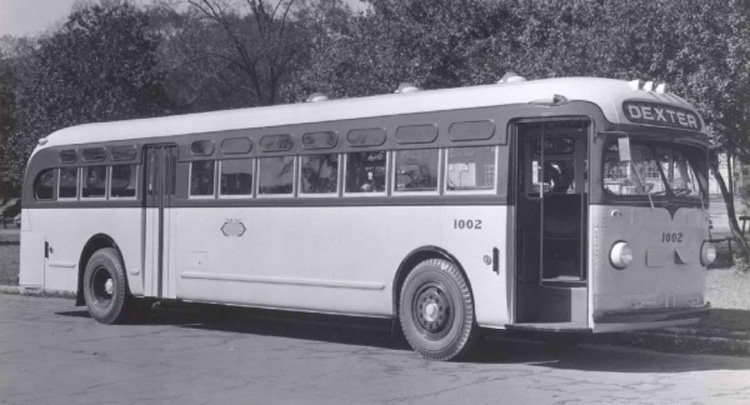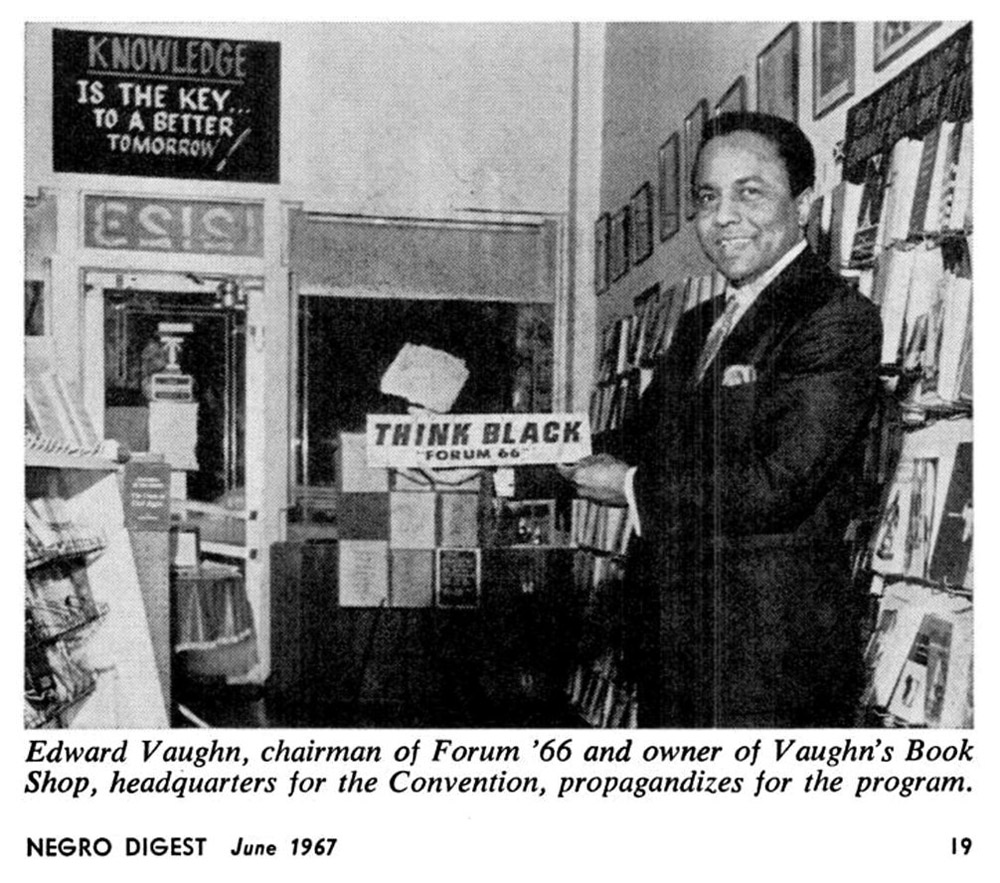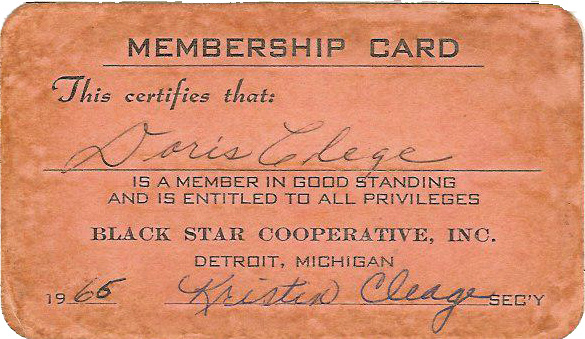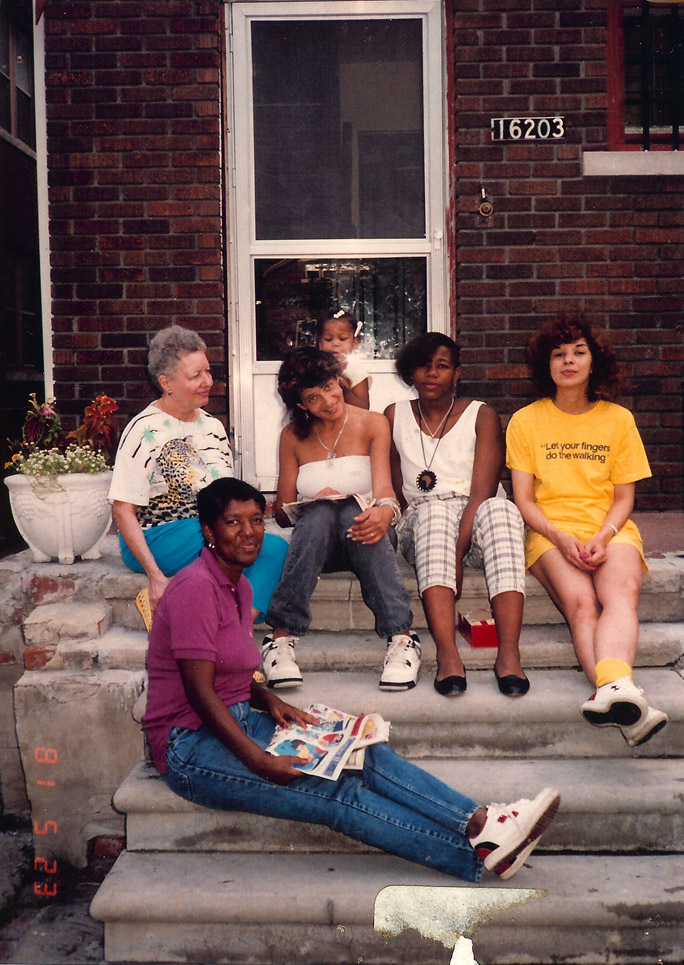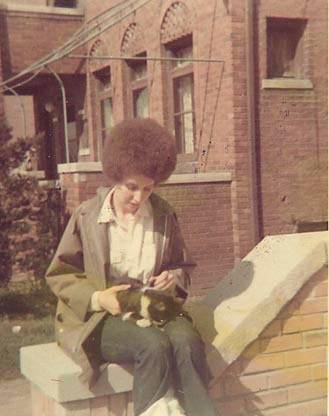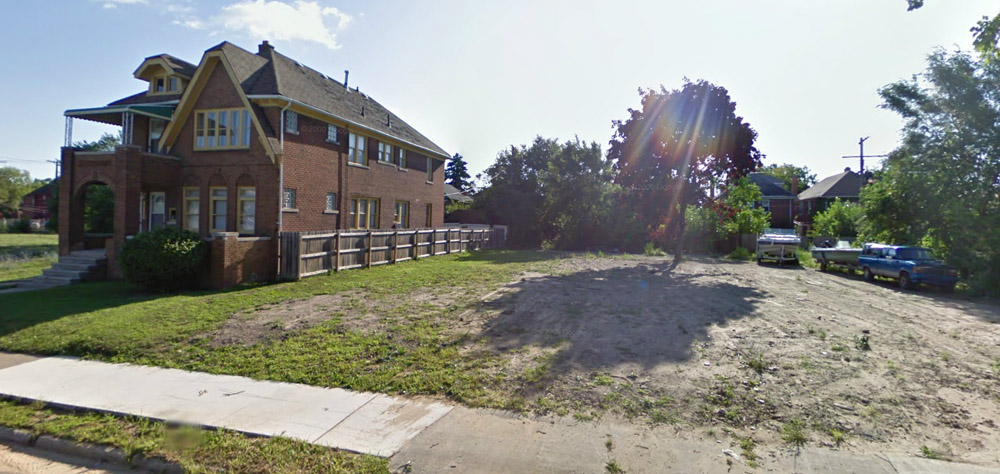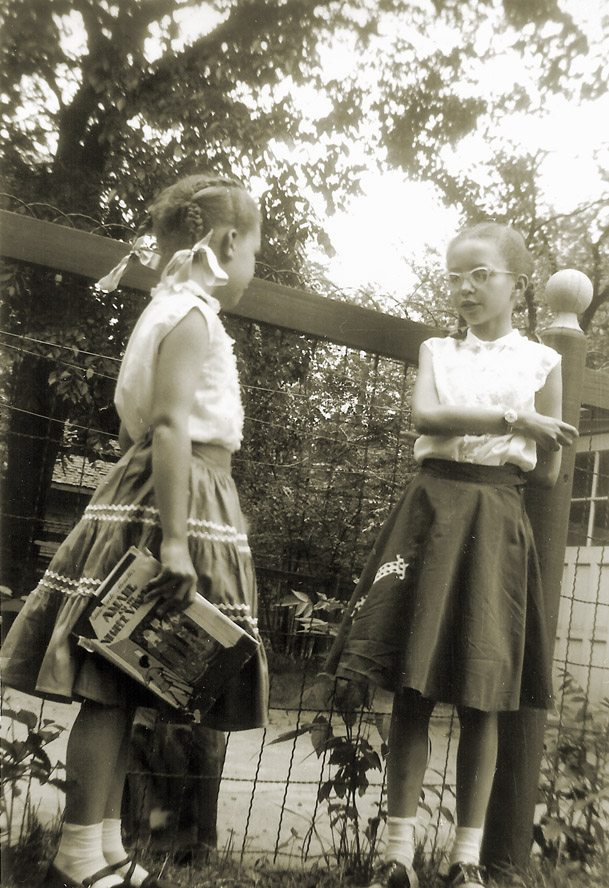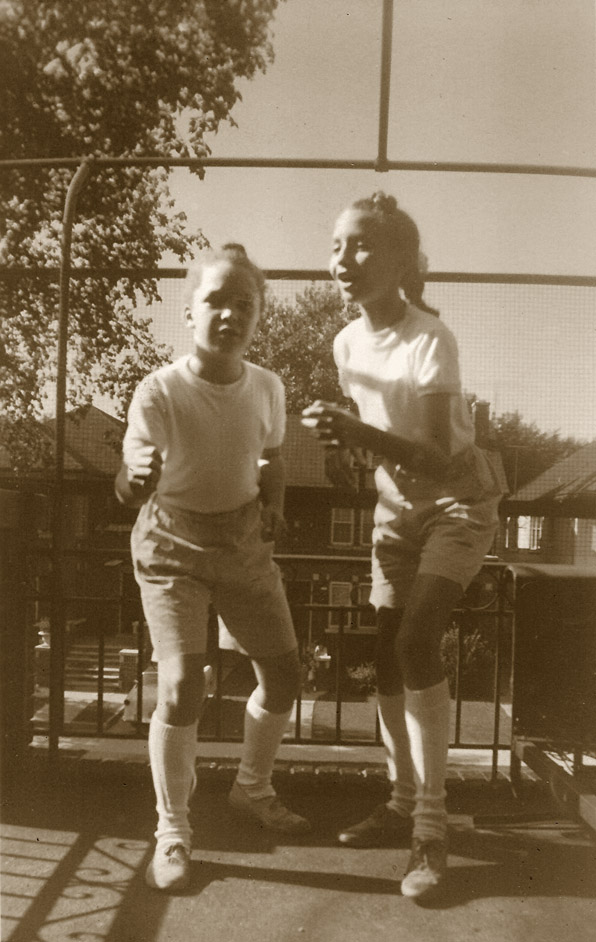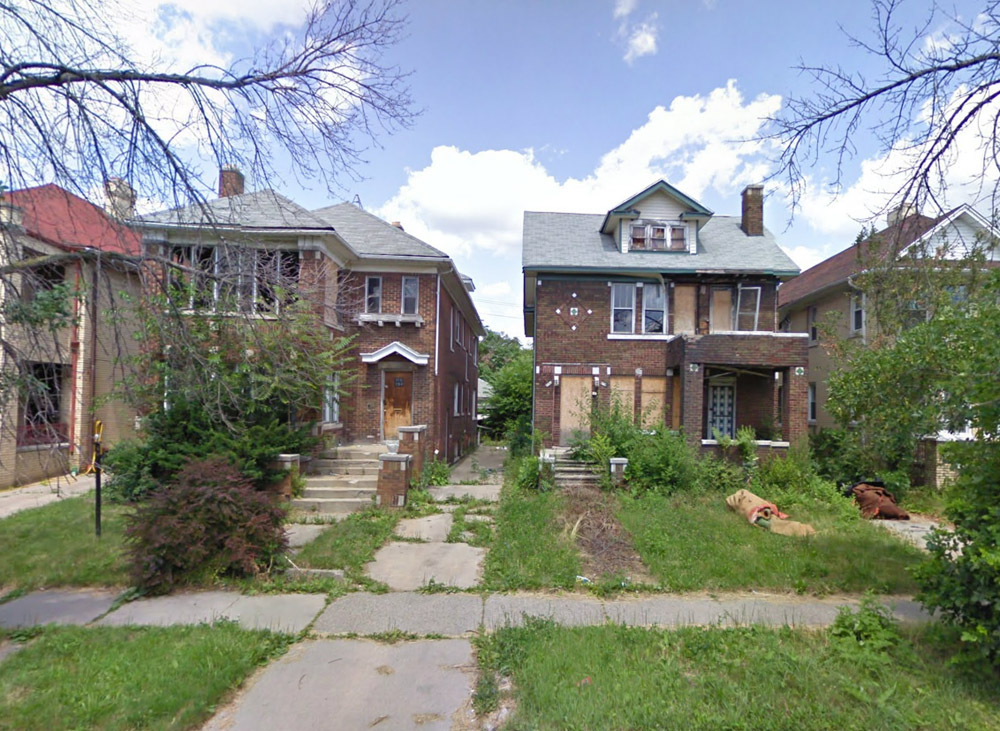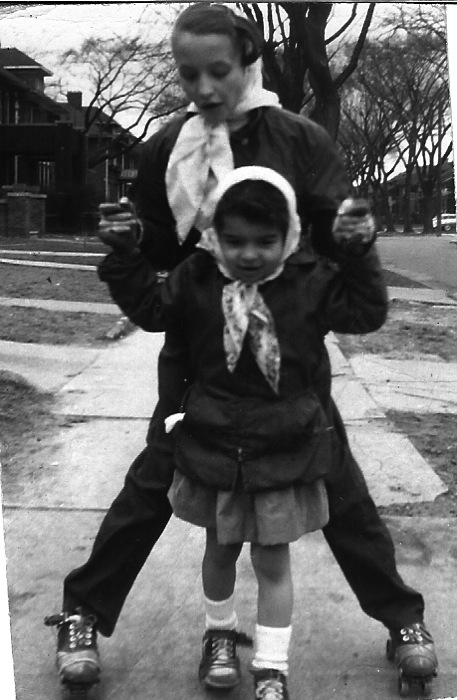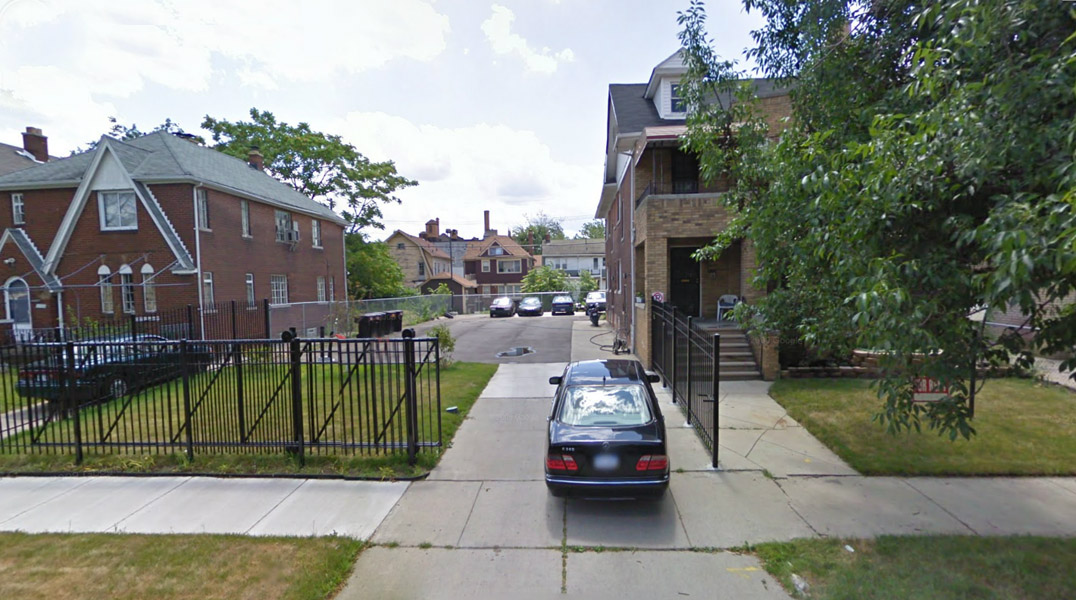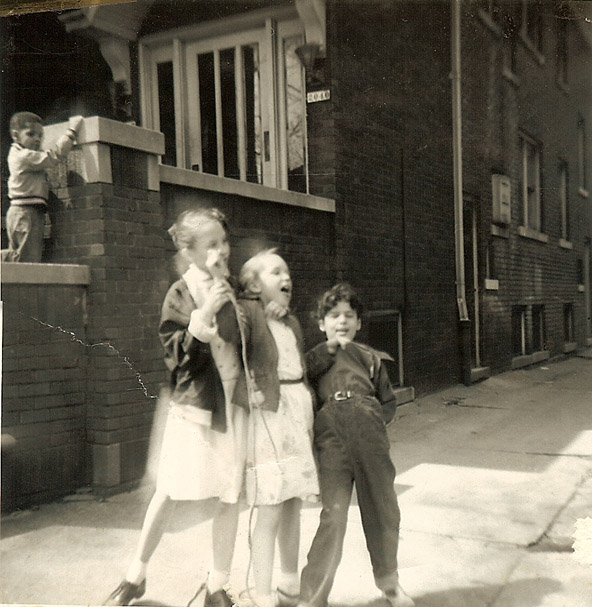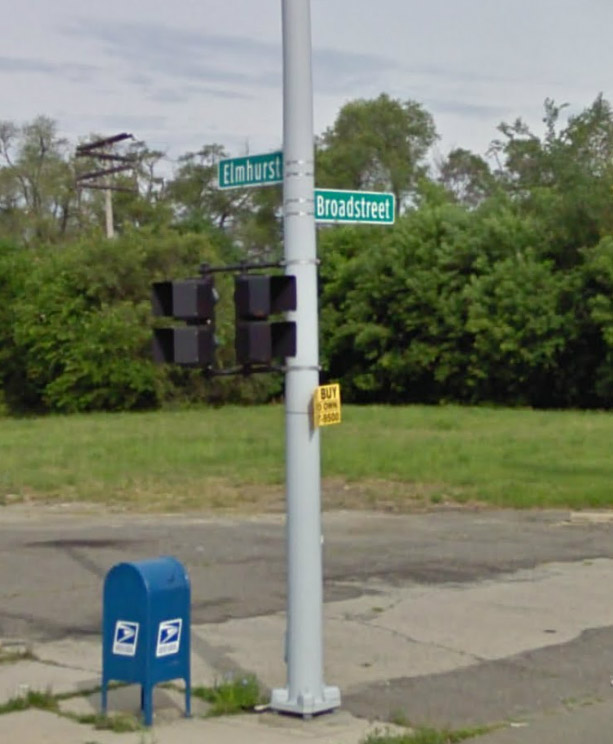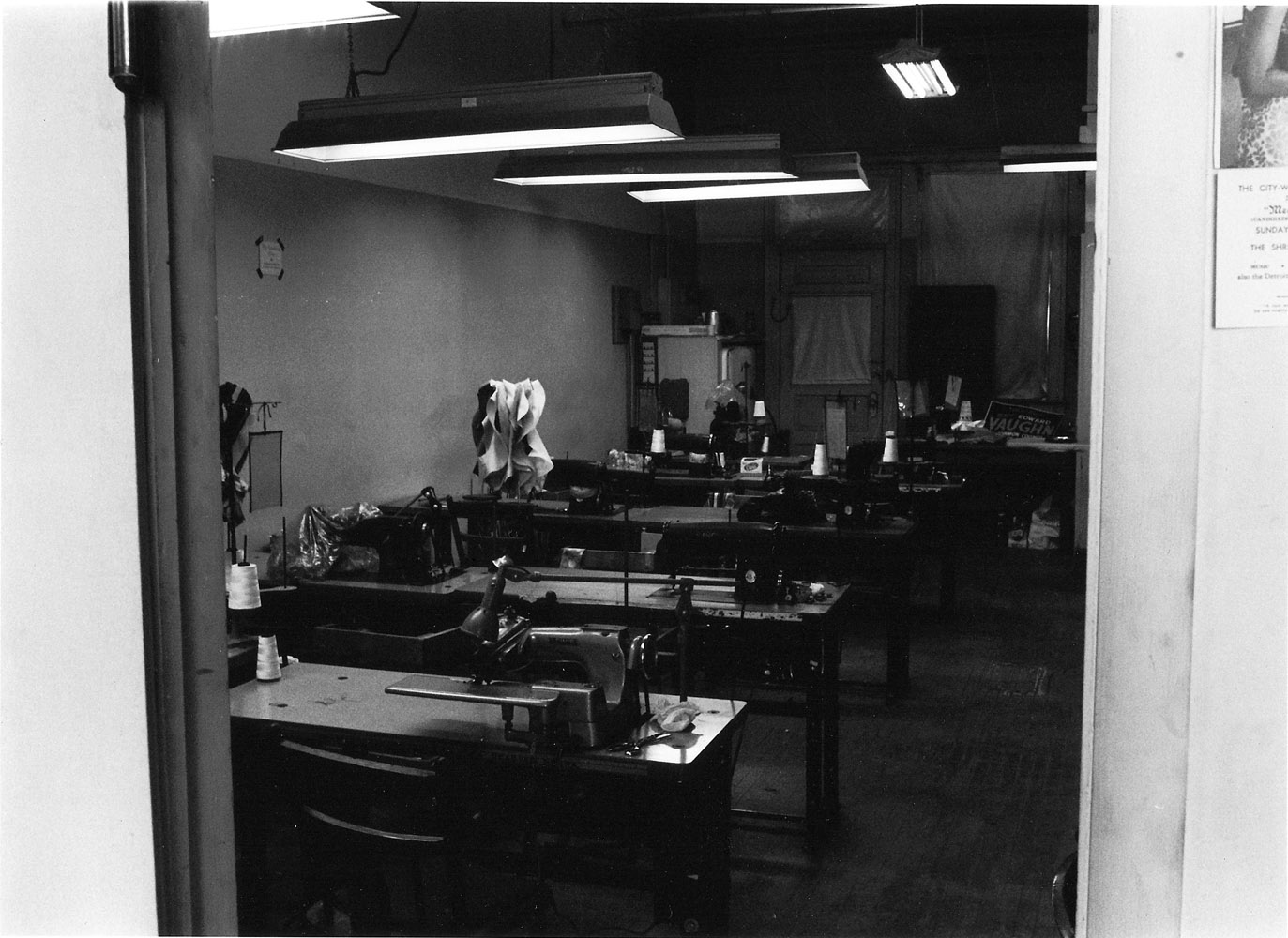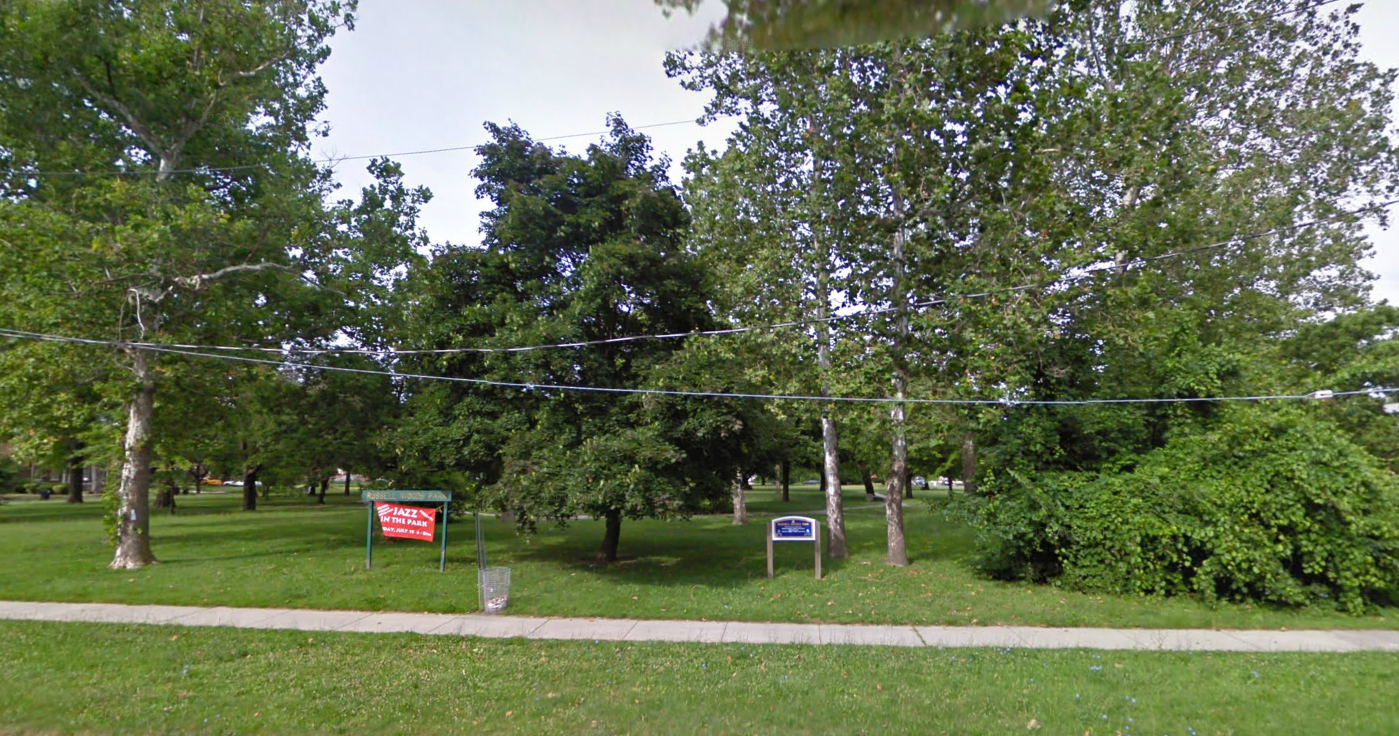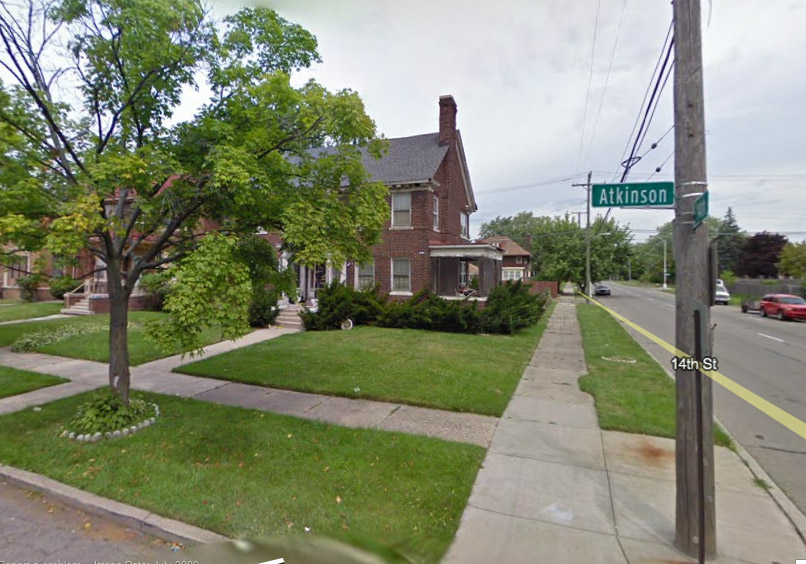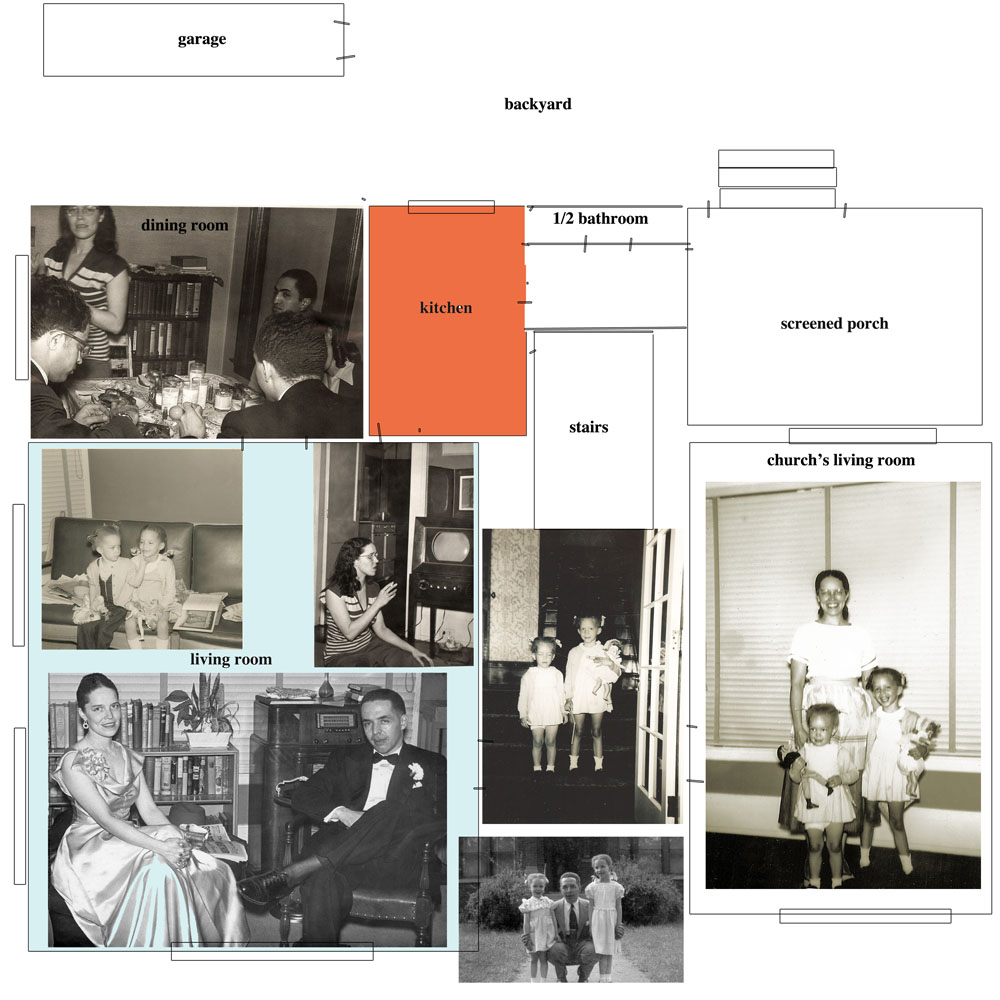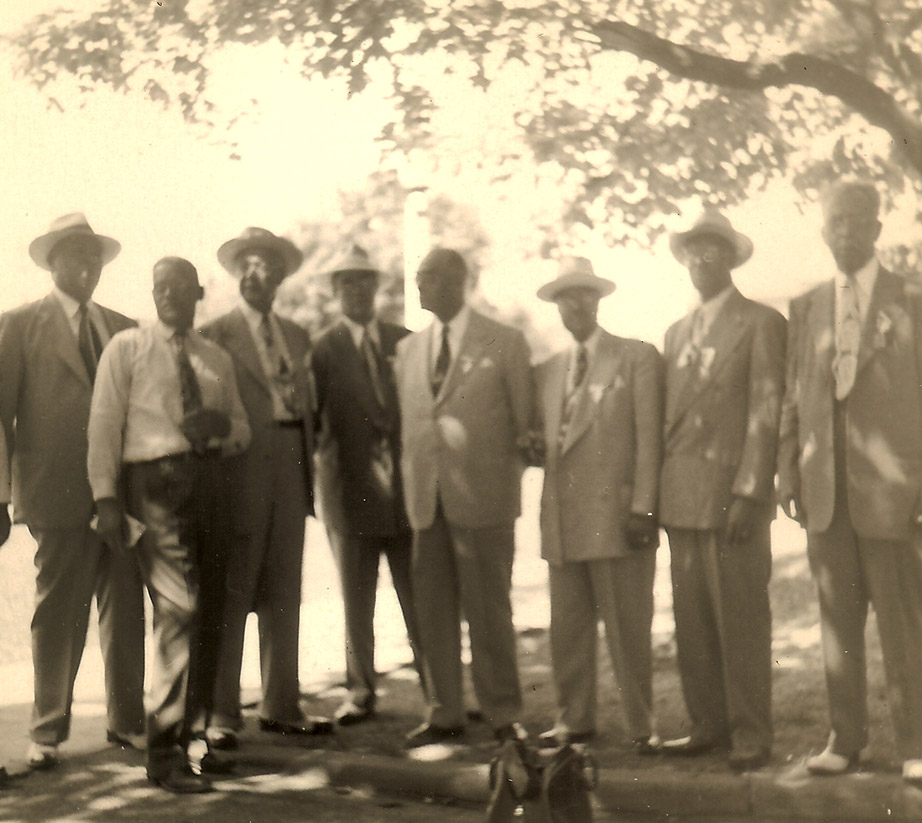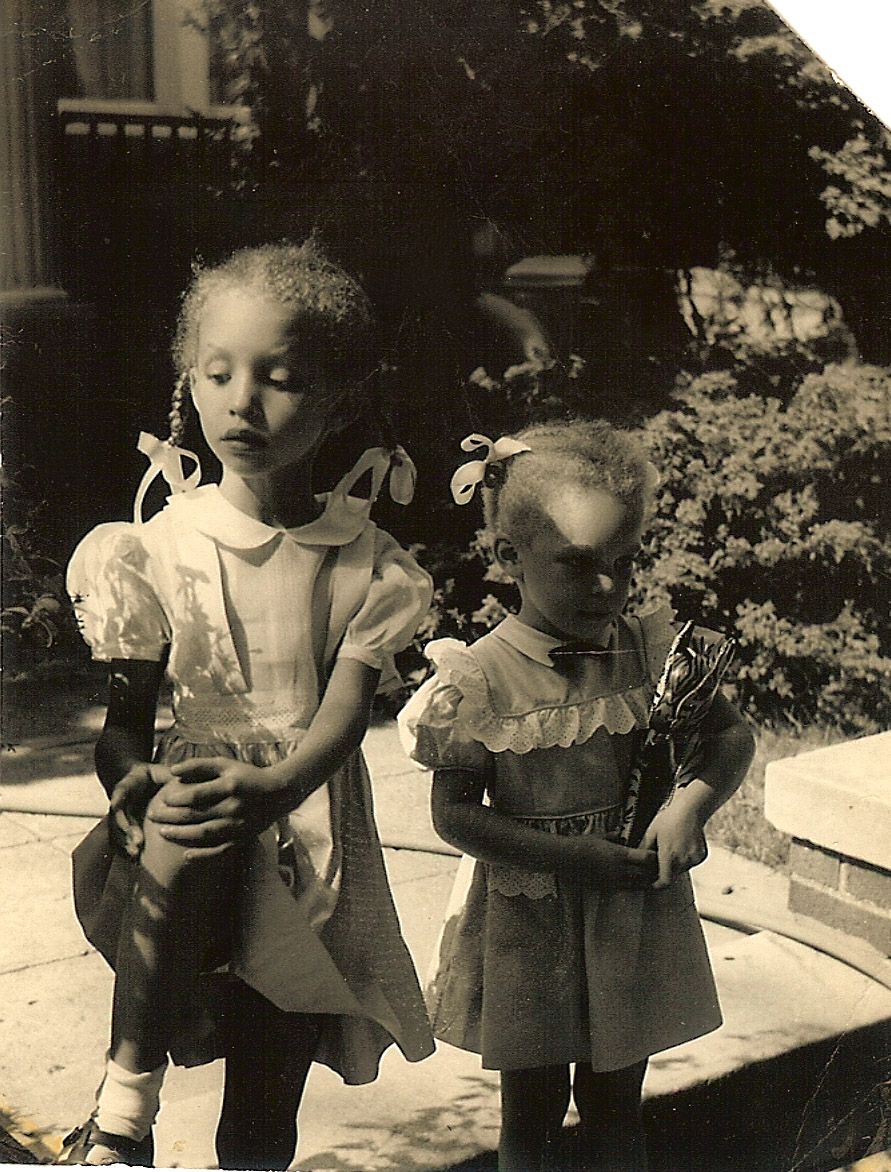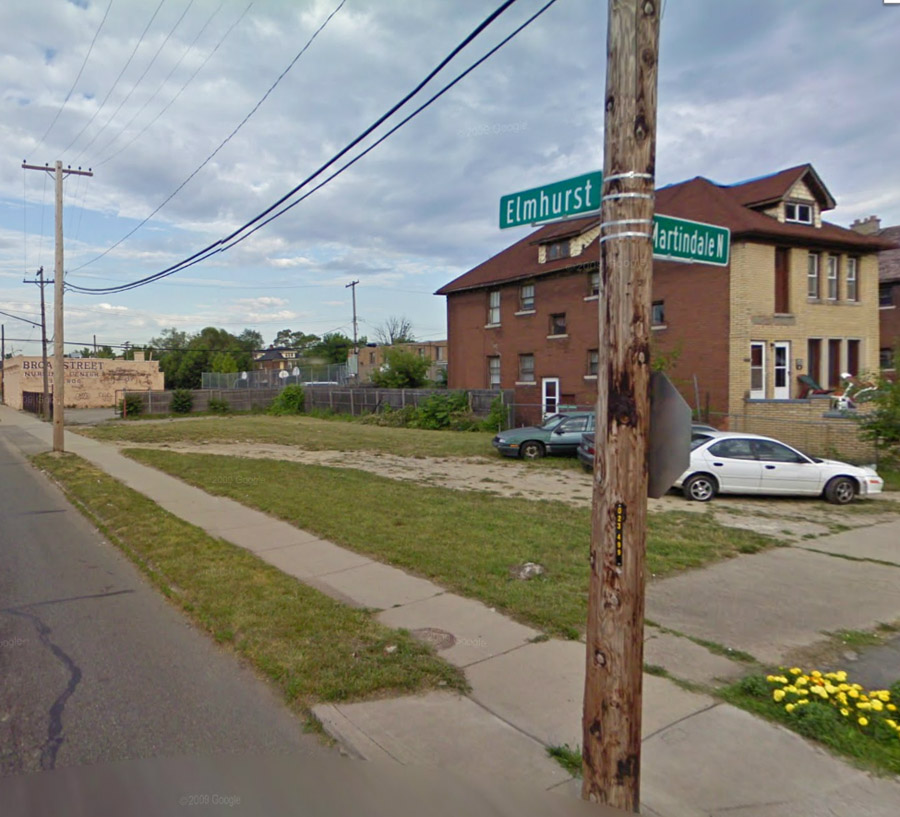
In the fall of 2011, my friend, Ben, went down to old 12th Street in Detroit and took some photographs so that I could combine them with old photographs from 1953. I finally got around to doing it.


In the fall of 2011, my friend, Ben, went down to old 12th Street in Detroit and took some photographs so that I could combine them with old photographs from 1953. I finally got around to doing it.

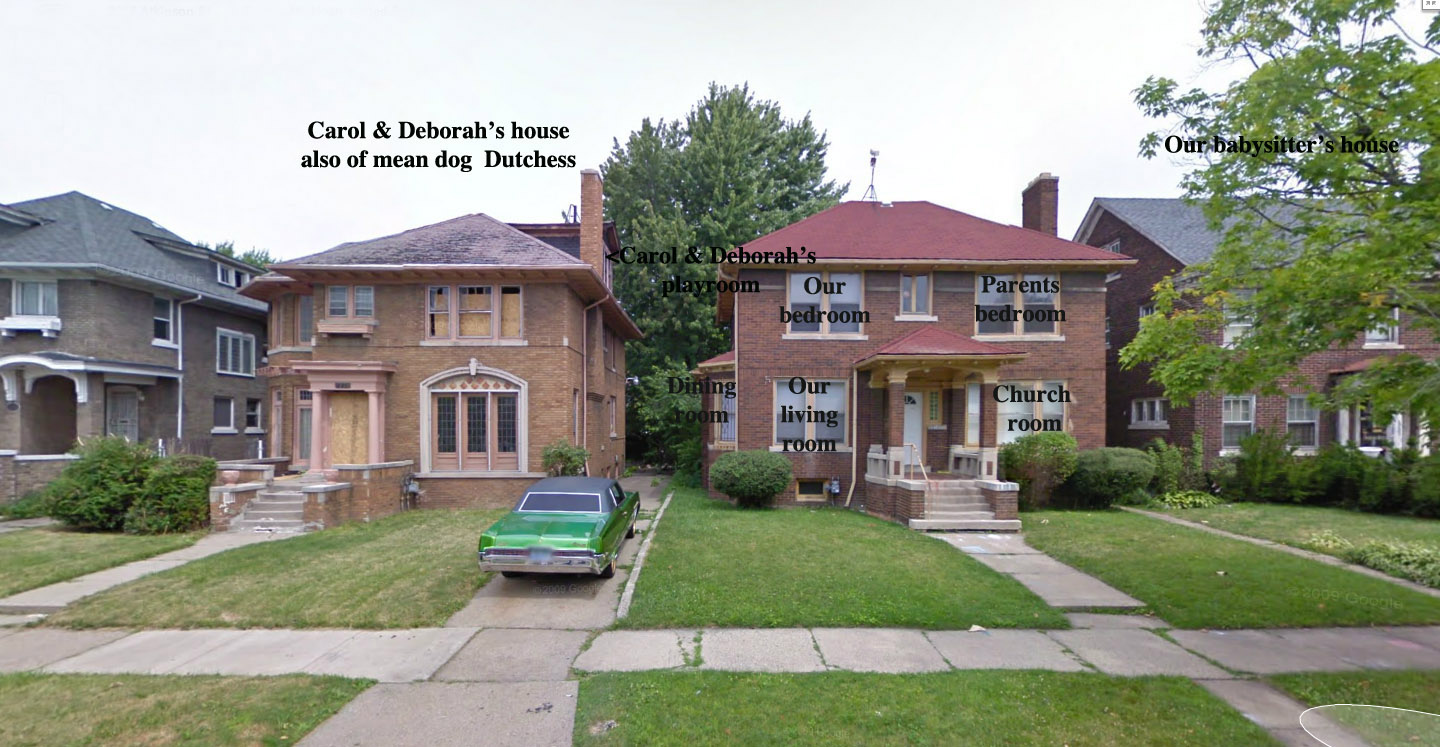
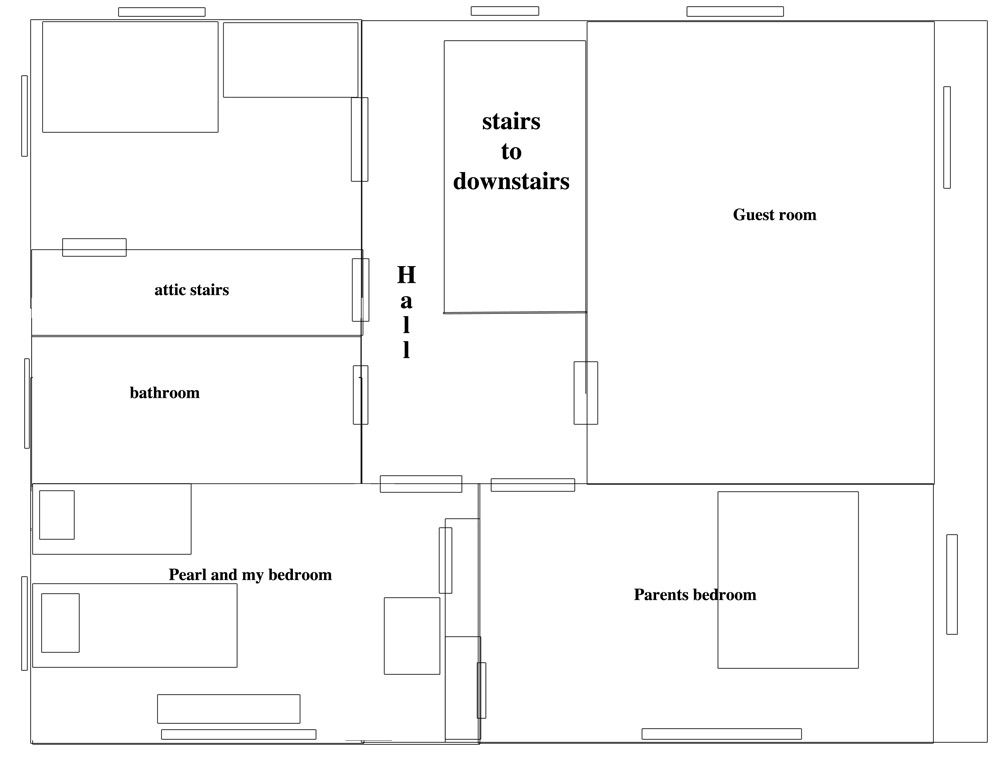
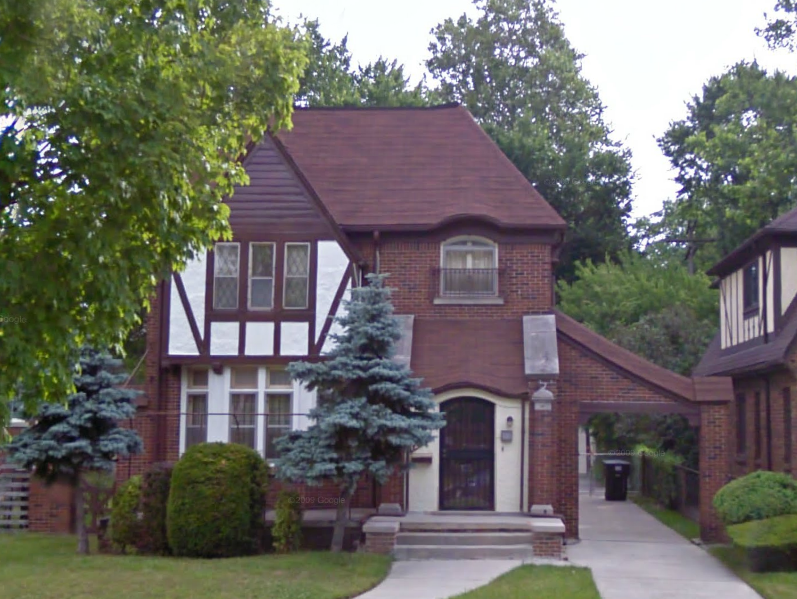
When I was in the second grade I became a Brownie for a few months. At the time my father had left St. Marks Presbyterian Church with 300 members and founded a new church, Central Congregational church. We met at Crossman School on Sunday and held all other church activities at 2254 Chicago Blvd. We also lived there. It was a huge house. That was my sister and my bedroom window on the upper right. Perfect casement windows for Peter Pan to fly through.
The scout troops met in the basement recreation room where all of the youth activities were held. We wore the usual Brownie uniform and used the usual Brownie handbook. I remember only one event, a jamboree held at Roosevelt Elementary School in a small gym, up a short flight of stairs above the 2nd floor. There were various stations set up and we went to different ones and did different things. After several months I quit because I was bored. I wish I had a photo of me in my Brownie outfit, but I don’t.
At some point I was in the kitchen, which we shared with the church, while my mother was making dinner. One of the Brownie leaders came in to prepare a snack and asked where I’d been. I told her I wasn’t coming any more. That was my experience as a Brownie. One more thing I remember. A little girl at school, which was majority Jewish at that point, said there couldn’t be any brown Brownies. I don’t remember who she was telling this to but I told her, yes you could be because I was a brown Brownie.
Input from Benjamin Smith, one of the scouts pictured below:
“Between Scouts and Youth Fellowship, I spent a lot of years in the parsonage basement. It was a different time. The side door was unlocked until your father went to bed.”

“I am the taller kid in the rear. All of us in that picture went through Cub Scouts, Boy Scouts and Explorers. Sadly, I am the only one still here. John Curry, standing, left front. Ligens Moore, seated front. Norman Cassells, seated front right. Harrison Stewart, standing with rope, front right. Benjamin Smith rear left. Longworth Quinn rear left. Ligens had a pilot’s license at 12 yrs old. Longworth’s father published the Michigan Chronicle for many years.
“The girl scouts from left to right, are Andrea Keneau, Ann Page, unknown, Laura Mosley and Janice Mosley, deceased (and Laura’s older sister.)
I remember Longworth. In 1969-1971 we both worked with the Black Conscience Library. He was in Law School at the time. Such a long, long time ago.
Times were different but I remember that someone tried to break into the house one night when my father wasn’t home. My mother rapped on the upstairs window with her ring – they were in the backyard trying to break in through the french doors of the conservatory – and they fled. Pearl and I were asleep. When she called the police they said she shouldn’t have knocked on the window, but she was so mad at the nerve of them. They would have been so angry if they had gotten inside and found nothing worth stealing.
My youngest son joined the Boy scouts. He was an active member of a troop in Baldwin, Michigan for some years. They did all the scout things, camped out, went on hikes, earned badges, went to Jubilee at Mackinaw Island. He earned the Sharp Shooter, Swimming, Water Skiing and the Polar Bear badge to name a few. To earn the Polar Bear Badge he had to camp out two nights in a row in weather below freezing, preparing all their meals at the campsite. As I remember it was in the 20 degree range. My husband became the troop treasurer and continued in that capacity long after my son lost interest. He also camped out in the 20 degree weather. They were a pretty free-spirited group and never wore uniforms so I have no photos of him in scout gear. My older children were in 4-H clubs.
My mother, Doris Graham, was in the news quite a bit during her years at Eastern High School in Detroit. Some were from the school paper, “The Indian”. Some were from “The Detroit Tribune”, a weekly black newspaper published by my mother’s cousins, James McCall and his wife Margaret. I have other articles “starring” my mother but I am just using those from 1937 – 1940. The others will appear later. The articles were saved by my grandmother Fannie, Doris’ mother. The writing on them is hers.
My mother was 36 years old and had been teaching for six years at Roosevelt Elementary school when it was taken. My sister and I attended Roosevelt. I had my mother for a Social Studies teacher when she first began teaching. We pretty much read the book, “Someday Soon.” and answered questions. It was not very interesting. She improved a LOT as she went through twenty years of teaching.
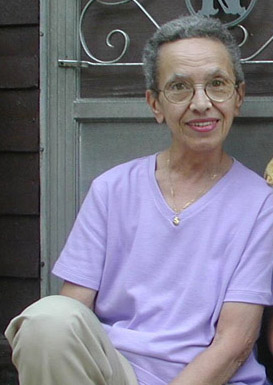
Her last teaching assignment was at Duffield Elementary school, where she taught reading using the Distar method. She loved it and taught it to me and I used it to teach all of my children to read.
I found the writing below in one of my mother’s notebooks. It isn’t dated and I don’t know if she wrote it after retirement or before or what she was planning to do with it.
Each year when school begins I see again the many ways in which my children are alike. I am equally impressed with their differences. Close on the heels of these feelings comes the realization that once more I must try to build with each child the kind of relationships that will make it possible for me to teach him.
Children ask themselves many questions about a new adult. Is she friendly? does she smile often? Does she really mean what she says? What does she expect of me? Too much? Too little? Can I be myself with her? Or must I pretend to be what she has already decided I must be? Will she listen when I am happy or in trouble or need help? Or will she always be too busy?
Satisfactory answers to these questions will mean satisfactory learning experiences for a child. Unsatisfactory answers will mean no learning – or even worse the learning of things that must later be unlearned.
It was a warm afternoon. The sounds of children at play came in through our open windows along with the good smell of newly cut grass.
My forty odd second-graders, (who come to me for two distressingly brief forty minute periods each week), were eagerly writing with crayons on small pieces of lined paper. Rough desks and clumsy crayons made writing difficult, but they settled to their pleasant task of writing for me their first and second choice for group work. We had been studying transportation as groups. Now according to our plan, we were dividing ourselves into groups of seven or eight to paint, draw write plays, poems, or stories, or create in clay about airplanes, boats, subways, cars or trains – whatever appealed the most to us. We had decided to use crayons instead of pencils because it took less time to pass crayons from a large box than it took to pass each one his own pencil.
As I walked among the crowded seats helping when I could, I came upon a small boy in a front seat. His paper was empty. His small fists were clenched on his desk. Leaning down to keep from disturbing others I asked, May I help you Julie?”
His close-set blue eyes were intense and unblinking as he raised them to me and said between clenched teeth, “I can’t do it.”
Thinking that he wanted a neat paper and knew that this was well-nigh impossible with crayon and rough desks, I said reassuringly, “Don’t worry about how it looks this time. Do the best you can.”
His hands did not move as he stared as his paper.
“I’ll never help him on the playground if he is in a fight – I don’t care if he is getting beaten, I’ll never help him.”
Work had stopped and forty pairs of eyes watched us unwaveringly.
“Who is it that you won’t help, Julie?”
He pointed silently to the boy who had passed a crayon to each child from a box of assorted colors. Julie’s jaw was set – his face moist, “I hate purple. He gave me a purple crayon I can’t stand it.”
Here was a child who brought to school a brilliant mind (At 7 he could read on a fifth-grade level) burdened by countless problems at home – over-worked parents building a small business, a senile grandmother, constant competition for recognition and affection with her as well as with older and younger brothers.
I stooped beside his desk. “We didn’t know that you don’t like purple. What color would you like to have?”
“I don’t care – but not this one! He opened his fist and showed a purple crayon moist from a small hand’s clenching.
All eyes were fixed on me as I rose from Julie’s desk. Their tension now was almost as great as his. I walked to the cupboard and returned with a green crayon. “Will this one do?”
He took it without a word and began to write his choices.
I looked over his head at the children. They smiled gently and I smiled back. We had taken another step on the road to good learning.
_______________________________________________
The inspiration for this post came from reading “Fearless Females Blog Post: March 12: Working Girl” on the blog The Accidental Genealogist.
To read more about Dock Allen and his escape from slavery, click Dock Allen’s Story.

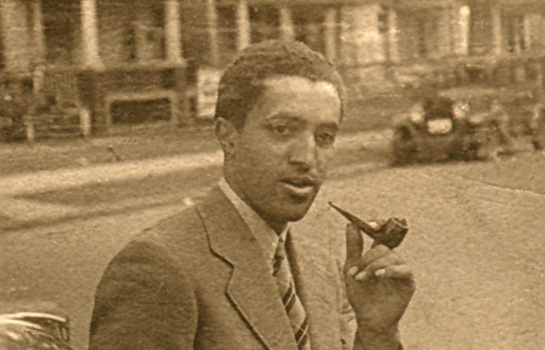
This weeks theme is hair, specifically facial hair. I only have one photo of an ancestor with a beard. Dock Allen is sporting a pretty nice one. My husband and sons are doing their part to bring more bearded photos into my albums.

I’ve been thinking about my mother these last few days. My mother, Doris Graham Cleage, was picking vegetables in the garden at Old Plank. I wrote about the farm in my post Playing Poker. What else was my mother doing in 1963, aside from maintaining a large, organic garden? She turned 40 February 12 that year and lived on the west side of Detroit at 5397 Oregon with her second husband, Henry Cleage and her two daughters Kris, 17 and my sister Pearl, 14. Both of us were students at Northwestern High School. Henry was printing in those days and putting out the Illustrated News.
She was in her 5th year of teaching Social Studies at Roosevelt Elementary School. She took two post masters degree classes at Wayne State University that year, Urban Geography in the winter quarter and Constitutional Law in the fall quarter.
There was a lot going on in those days and my family was involved in a lot of it. To see what was going on in the news in 1963 click here –> Politics
To read about the March To Freedom in Detroit, when over 100,000 people walked down Woodward Avenue to protest the violence in Birmingham, Alabama, in July 1963 click here –> Walk to Freedom.
To see Henry and the press at Cleage Printers click here –> Henry printing


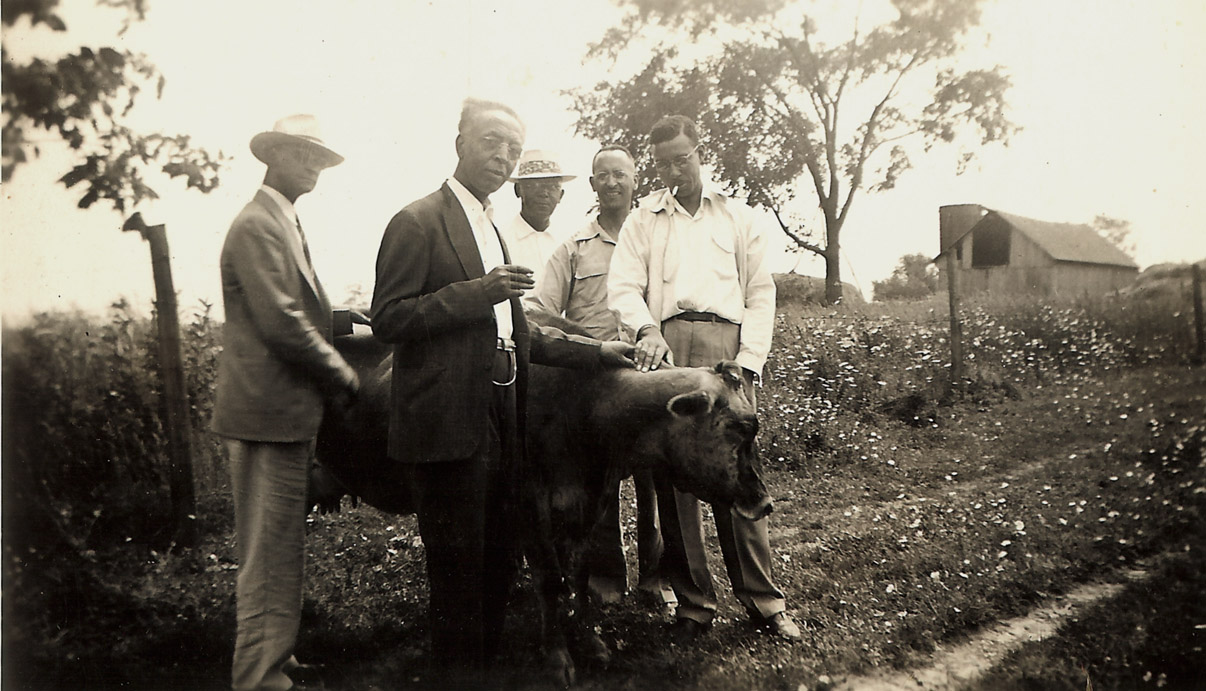
My mother and Henry bought this house about half an hour from Detroit about 1961. There was talk of moving there year around, but it never happened. We had a large garden and went up on weekends and for longer periods during the summer. We only owned 2 acres of the 40 acre farm, not including the barn. In 1967 someone bought the barn and started keeping chickens and pigs there, though they didn’t live on or near the property. The animals regularly escaped. The pigs dug up our garden and the chickens roosted on the porch. Before Henry and the man came to blows, they finally sold the house to the man with the animals.