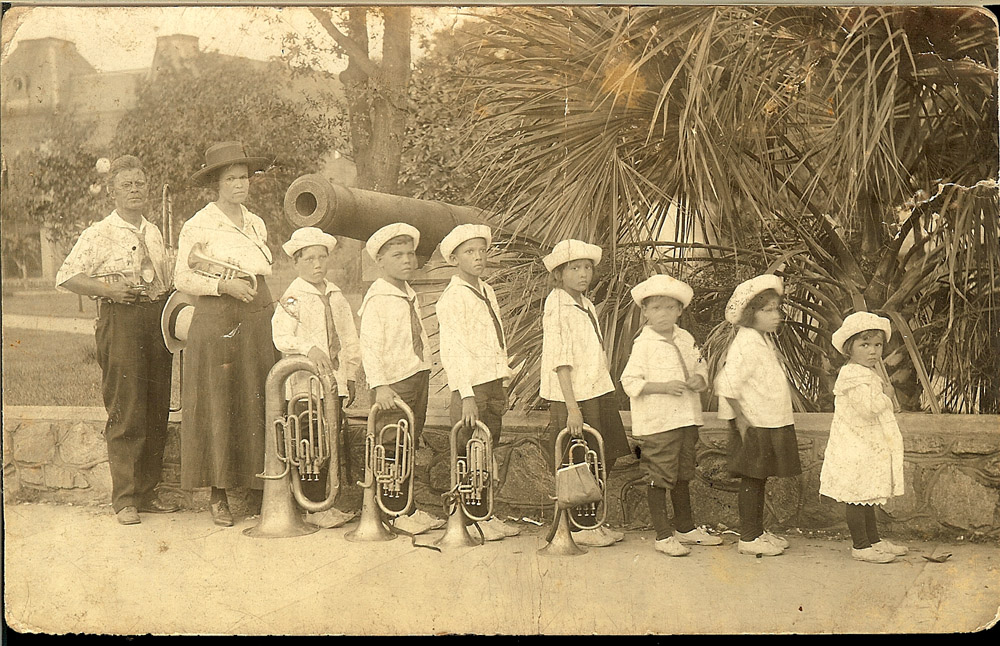
Their Own Marching Band
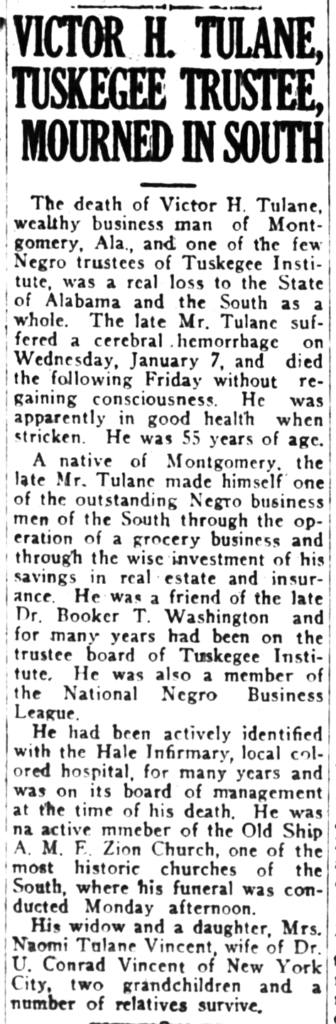
Montgomery, Ala., Jan, 16.
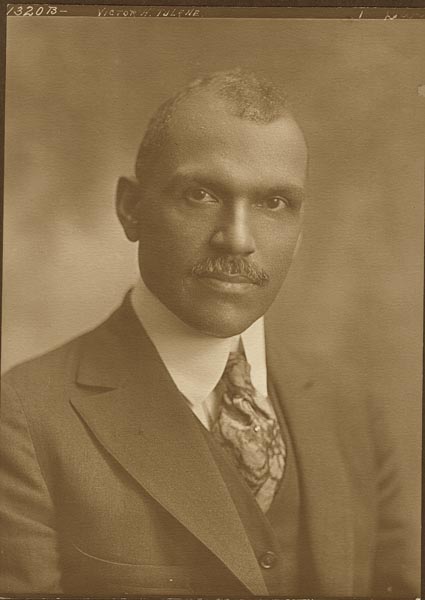
Victor H. Tulane, a leader of his Race here for many years, died at his home, 430 S. Union St., at the age of 57. His rise to affluence, through his own industry and native shrewdness, was little short of remarkable. Prior to his death he owned a mercantile business and operated a real estate agency of considerable scope.
Tulane first came to Montgomery when he was 15 years, old having walked here from Wetumpka, where he was born. His first job was porter in a saloon, but later he opened a store at the corner of High and Ripley Sts. which he operated for about thirty years. He later rented his store and entered the real estate business, and before his death had accumulated a comfortable estate.
For many years Tulane served on the board of trustees of the Tuskegee Institute. He was also chairman of the board of trustees of the Hale infirmary. He was widely known for his generosity and willingness to serve in charitable movement. He was actively connected with the community chest and was one of the first to donate toward the Y.M.C.A. building for white (sic.) persons.
Surviving are his widow, Willie L. Tulane of Montgomery, and his daughter, Naomie Tulane Vincent, New York city. Funeral arrangements will be announced later by the Loveless Undertaking company.
_______________
Transcribed from The Chicago Defender Jan 17, 1931 via ProQuest Historical Newspapers online database.
More about this branch of the family to come. Victor’s wife, Willie Lee Allen Tulane, was one of Eliza’s daughters.
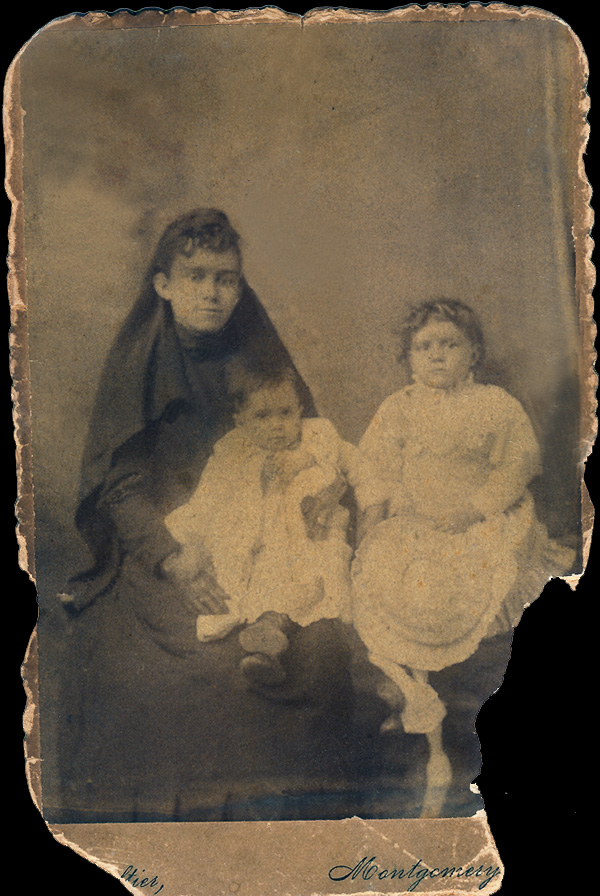
Howard Turner and Jennie Virginia Allen were married in June of 1887. Howard’s father, Joe Turner gave them land to farm in Lowndes County, Alabama. Joe wanted the land to stay in the family forever. By 1892 Joe and Howard were arguing constantly about Howard and Jennie’s desire to sell the land and move to Montgomery. The day of the fateful bar-b-que the arguments had been particularly violent. Jennie was in Montgomery visiting her parents , with their two young daughters, when word came that Howard had been shot dead at the bar-b-que.
Jennie moved back to her parent’s house with her children, Fannie and Daisy. She took the title to the land to a lawyer and asked him to make sure all was in order so she could sell. When she returned the lawyer told her that the title was not clear and she didn’t own the land. Jennie believed that her father-in-law had paid the lawyer to get the land back for himself. She cut ties with the Turners and went to work as a seamstress, the trade her mother Eliza had taught all six of her daughters.
Many years later, when Fannie was grown, she ran into one of her Turner cousins. She asked the cousin about what her mother believed – that Joe Turner had his son killed to keep the land. It wasn’t true. The lawyer had stolen the land for himself. They didn’t know who killed Howard.
Fannie was my maternal grandmother. Howard and Jennie were my great grandparents. Joe Turner was my great great grandfather. I didn’t know his or wife’s name, nor any of Howard’s siblings names until I found them in the 1870 and 1880 census in Lowndes County, Alabama when I began to do online research in the 1990s. Joe and Emma Turner lived on the farm with their children, Lydia b. 1862, Howard b. 1863, Fanny b. 1864, Joe b. 1867, Anna b. 1869, Alonza b. 1873.
Another interesting assignment from Randy Seaver – Saturday Night Genealogy Fun – The Time Machine
Your mission, should you decide to accept it, is to:
1) Determine which event in your ancestral history that you would love to be a witness to via a Time Machine. Assume that you could observe the event, but not participate in it.
2) Tell us about it in a blog post of your own, in a comment to this blog post, or in a comment on Facebook.
Although it took me until Sunday morning to decide, I chose to be present when my first female ancestor from Eliza’s line appears, enslaved, on these shores. I want to know where she landed and where she came from. Was she a Mende, as my DNA test suggests? Were any of her people with her? I want to be there when she was sold to see what plantation she was taken to and who her first owner was. I want to know what her family named her and what slave name she was given.
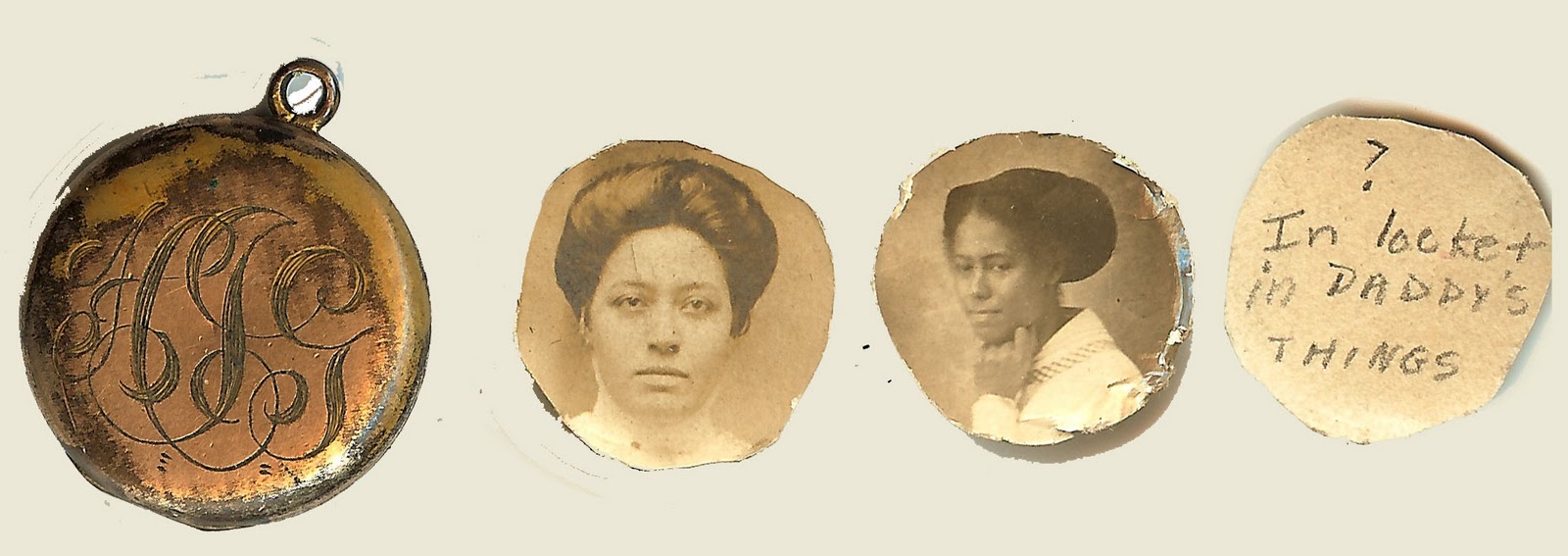 Several years after my mother’s death, I found a cigar box full of unidentified things – pocket watches, big buttons, lockets. This locket had the note inside saying “? In locket in Daddy’s things”. I don’t know who the women are. The initials on the front seem to be H.J.G or maybe J.H.G. My grandfather’s name was Mershell C. Graham. His story is sketchy.
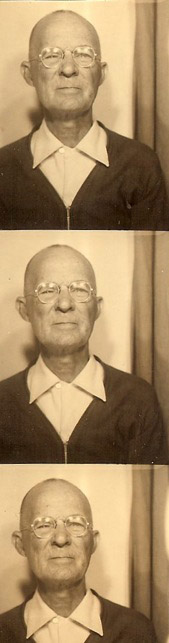 I find bits and pieces – unidentified photographs, old notebooks… If I could find him in the 1900 census with his family. He was born in Coosada Station, Elmore County, Alabama about 1888. He chose to celebrate his birthday on Christmas day because he didn’t know the actual day. By the time I found him in the census in 1910 he was working on the railroad. He moved to Detroit in 1917, married my grandmother in 1918 in Montgomery and they immediately removed to Detroit. He worked at Ford Motor Co. for years. He was a founder and trustee at Plymouth Congregational Church in Detroit. He always grew a large, wonderful garden with cabbage, collards and tomatoes. He could, and did, fix anything that needed fixing. He taught himself to read so I assume he never went to school. There is a story that he was a child servant and slept outside the little girls door at night. The other story is that his parents came one one rainy day (from work?) to find him and his brother digging sweet potatoes out in the garden. They had the measles. I’m thinking they were very hungry. Who feels like digging in the rain when they have the measles? There were at least three children older than he was according to his delayed birth certificate. There could have been younger siblings too. Those mentioned were a sister named Annie, and a brother named Bill who went west. My cousin, Margaret, told me that was a way to refer to relatives that passed for white. Perhaps the Jacob, named in front of the little Bible that was also in the box was a brother.
I found my greatgrandmother’s autograph/memory book in an envelope in a box where my mother saved little notebooks, wallets etc. The first part of the book, including the cover have vanished. Going by what is left I think my greatgrandmother started the book when she was 19 years old.
Transcribed entries numbering from top left down column, over to second column, etc.
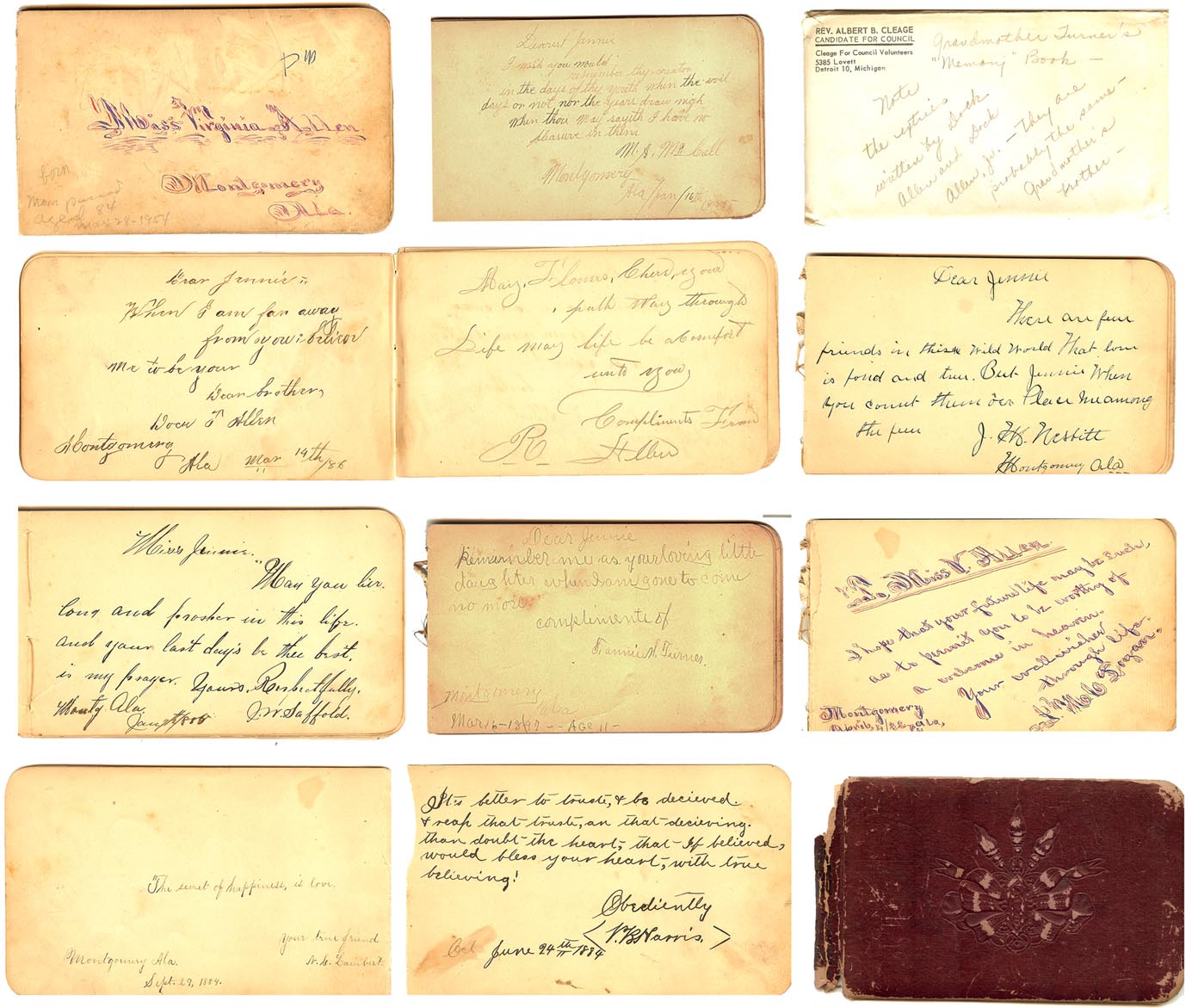
Miss Virginia Allen
Montgomery Ala.
Mom passed aged 84
Mar 28 1954
Dear Jennie
When I am far away
From you believe
Me to be your
Dear brother
Dock Allen
Montgomery Ala Mar 14th/86
Jennie’s brother, Dock, was born in 1862, four years before Jennie. He worked as an errand boy and a barber – he drowned in 1891 on Aug. 30 Trying to “walk the moonlight path.”
Miss Jennie
May you live long and prosper in this life
And your last days be the best
Is my prayer. Yours Respectfully,
J W Saffold
Montg Ala
Jan 7th 1886
The secret of happiness, is love
Your true friend
N.C. Lambert
Montgomery, Ala.
Sept. 29, 1884
Dearest Janie
I wish you would
Remember they creator
In the days of thy youth when the evil
Days are not nor the years draw nigh
When thou may sayeth I have no
Pleasure in them
M.A. McCall
Montgomery
Ala/Jan/16th 1885
May flowers cheer your
Path way through
Life may life be a comfort unto you
Compliments from
R. Allen
R. was Jennie’s brother Rance.
Dear Jennie
Remember me as your loving little
Daughter when I am gone to come
No more
Compliments of Fannie M. Turner
Montgomery Ala
Mar 16 – 1897 – Age 11
It’s better to trust and be deceived
and reap that trust, and that deceiving.
Than doubt the heart, that if believed
Would bless your heart, with true believing!
Obediently
V.B. Harris
June 24th 1884
Grandmother Turners
“Memory” Book –
Note the entries written by DockAllen and Dock Allen, Jr. – they are probably the same – grandmother’s brother
This was added years later by my mother, Jennie’s granddaughter.
Dear Jennie
There are few
friends in this wild world that love
is fond and true. But Jennie when you count them over, place me among the few
J. M. Nesbitt
Montgomery, Ala
To Miss V. Allen
I hope that your future live may be such,
As to permit you to be worthy of
A welcome in heaven.
Your well wisher
Through life
Montgomery
April 4/22 Ala
ThMC Logan
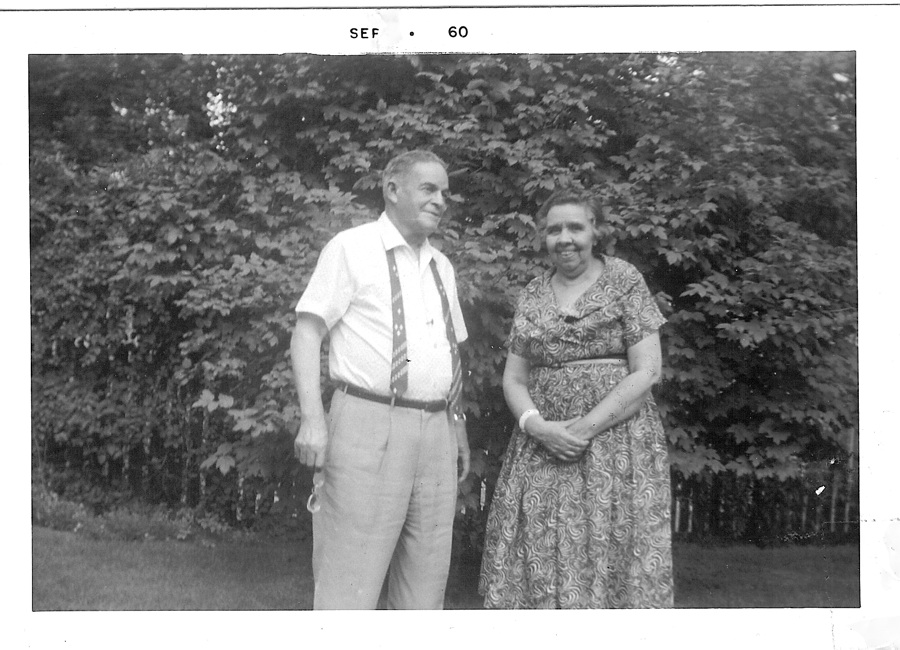
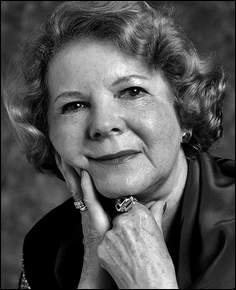
This is partial transcription of a very long interview that my cousin Margaret McCall made with her Aunt Stella Brown McCall in 1986. Margaret was Mary McCall’s granddaughter. Mary McCall was Eliza Williams Allen and Milton Saffold’s daughter. Stella Brown McCall was married to Margaret’s father’s brother. Margaret’s father was James McCall and his brother was Roscoe McCall. Louise was Stella and Roscoe’s daughter. Joe was Margaret and Stella’s cousin.
Margaret: I’m doing family history now and I’m on the McCall side. And I want to learn as much as I can because there are some gaps in things that I have been able to find.
Stella: Well, I don’t know too much about the…
Louise: She doesn’t know about the McCall side because she’s given me all the memories of her side. I have all those you know…
Margaret: On the Brown side?
Stella: Yes.
Louise: Oh yes.
Margaret: But it’s the McCall side I’m interested in.
Louise: Mother you can tell her one thing I remember you told me about the McCall side, you told me that Daddy, that Daddy’s father was a jailor
Stella: He worked at the jail, the Montgomery jail down in Montgomery.
Louise: and they used to have him…he was the whipper and, you know, he was supposed to whip the prisoners, you know the black prisoners. And he would pretend that he was whipping them and you know, make them yell and he would make the whip sound. Isn’t that interesting? I can just picture that.
Stella: Well he had to pose to keep from whipping the prisoners.
Louise: Oh and mother you can also tell her about how Daddy was getting that man out of Montgomery for looking at the white girl. And then they were going to hang him and Daddy had to take him out on that lonely road and get him out of town. And …
Stella: they got stopped on the road.
Louise: The police, the posse, don’t they call it a posse? Or whatever.
Stella: Yes.
Louise: came after him and then when they shined the light on Daddy. They were in a field and they saw that it was Mr., your grandfather McCall’s son and they said “Oh Rossie…”
Stella: Because his father, not cutting you off, Ross’s own, father had worked at the jail and had charge of the colored prisoners. They would have him punish the colored prisoners and he never punished not one. Because he could do it like he wanted to do it. He just posed… Had a whipping place and made the noise like he was whipping them but he didn’t touch a one of them.
Margaret: So this incident of Uncle Ross in the field, what happened?
Stella: They stopped him, right at that field.
Louise: No mother, start with how they were standing outside the drugstore… he and that other one, that Watkins boy and the white girl came by and she told her boyfriend that they had, that this Watkins fellow had winked at her and that started a riot in the city.
Stella: Winked at her.
Margaret: Is that right?
Stella: A riot.
Margaret: Well, how did Uncle Ross get him out of the city?
Stella: Out of the city?
Margaret: You said that they were in the field and the police came and said…
Stella: Now all before this started, Ross had a friend out in the country. This man was a good friend of his and they would go hunting out there. And that’s why he knew the man… his name… I can’t think of his name… what was his name…anyway, well he had a home down in the country and he would go down there every summer you know, just take a week off and hunt and…
Louise: A good place to hide out.
Stella: To hide out. Yes.
Margaret: That’s all?
Stella: And there was a railroad train coming out of Montgomery going on to Atlanta and Ross got this man out of Montgomery and had this porter on this train to stop at this little station down there in the country and nobody would ever think a train would stop there and he stopped just like he got him to do and he put this man on this train in the back and had a place for him to stay and stay shut up and he did that until he got to Atlanta and he was safe.
Margaret: And did he stay in Atlanta or did he leave Atlanta?
Stella: Oh he left Atlanta. We didn’t hear any more of him. But Ross saved his life! They were going to lynch him uh huh, oh yes. Ross had some narrow escapes in that time.
Margaret: He did?
Stella:Yes, because you see this one was taking him for that and that one was taking him for this and it was terrible.
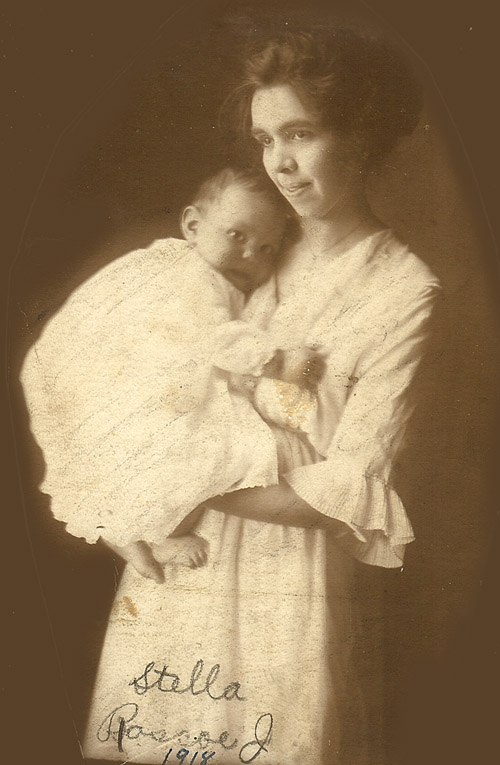
Margaret: Now tell me, you and Uncle Roscoe married in Montgomery?
Stella: Montgomery, yes I married in Montgomery,
Margaret: Where did Uncle Roscoe go to school?
Stella: At State Normal School in Montgomery. And he went to the senior class and some girl got him in trouble and he had to jump out and go and that’s why he didn’t get his papers, you know.
Margaret: How did she get him in trouble?
Stella: Well she was… I guess something was wrong with her…. pregnant. That’s why he had to leave Montgomery. He left Montgomery.
Margaret: And where did he go?
Stella: Where did he go? New York.
Louise: Who are you talking about Daddy?
Stella: And then later he came on down.
Louise: Married you.
Stella: yes came back. Stayed away a long time though. I didn’t hardly…I was his little sister’s dearest friend and I didn’t know anything about him. Nothing. I’d heard of him because he was my brother, he was the age of my oldest brother Scott.
Joe: Was Jeanette your friend?
Louise: Um hum. Jeanette was your friend.
Stella: Jeanette was my best friend all the way from the first grade. And I didn’t know anything about him. I didn’t know there was a brother because he was away. Finished the senior class and everything and gone. Got in trouble and gone.
Margaret: Where did you go to school?
Stella: Same place he did – State.
Margaret: You went to State?
Stella: Yes, same thing. Same school but many years later, you know.
Margaret: Afterwards.
Stella: Now I was Jeanette, his sister’s age, his baby sister. And I didn’t know anything about him (laughs) he came on the scene later. And we were swept away (laughs again. He’d come to the house everyday..
Margaret: Uncle Ross would come to the house everyday, uh?
Stella: Everyday. Every evening. I can see him coming now.(laughs) Well, and that went on so far and we decided to marry.
Margaret: How did you happen to leave Montgomery?
Stella: Oh people were leaving Montgomery like mad at that time.
Margaret: Why?
Stella: There was kind of a thing going then, getting out of the South. That’s when all this uproar started down there. Started changing schools and everything and getting the different things in order for the blacks to go to one school and the whites to another school and they had to fight that and different things and it made an uproar in the city. And then many many of the… all the important families in the city just packed up and said they were going to leave the city and that’s what was happening.
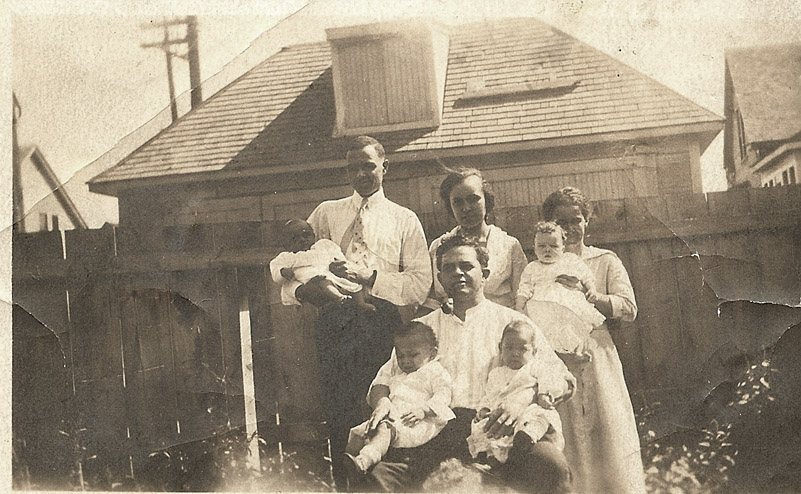
Margaret: When you were going to school, where did you go before Normal?
Stella: One school for me. One school for him. Same school.
Margaret: What was that?
Stella: State.
Margaret: No, but before State Normal for your early education where did you go?
Stella: The only education they had from the cradle to the top floor.
Margaret: Oh, State went all the way.
Stella: Yes, they had buildings on the big grounds and the grammar school buildings were around on the circle ad then the juniors and then the seniors.
Margaret: Now was it integrated then or was it all black or…
Stella: All Black
Margaret:All Black
Stella: All black.
Margaret: Okay, what about the teachers. Who were the teachers?
Stella: White. They started off with all white. Now I remember when I was down in the grades there was one teacher that they had kept, teacher name of Mrs. Foster and she was an excellent first grade teacher. And they kept her. But then later on they started putting the white people in and they’d keep them in, then they’d kick about it and then had to give them recognition you know and finally they got the school like they wanted it and then they… it was a black school. Had it turned black, see, but in the beginning it had all white teachers. Yes because when Ross was there now he graduated, well I’d say, a good eight or ten years before I was in there and he had a teacher that I remember a Mrs. Stuart. She had been teaching there from the beginning and she was there until the end. She was from up North. They brought those teachers down from the north. That’s the way they did. The whole school was white but then finally turned right back because they were fighting it so. They wanted colored teachers in there.
Margaret: Who are they who were fighting?
Stella: The people.
Margaret: The black people?
Stella: Yes, that’s who fought. They had… I can remember the teachers, they were crazy about Ross. He was always such a good friend to them. (laugh) Getting in with everybody. He always was on the good side. Yes, Ross was a sight.
Joe: You remember…one day…he was the first one I ever did see ride a motorcycle.
Louise: That’s right. You know everything.
Stella: Nobody had a motorcycle in the city but Ross.
Louise: You remember that?
Joe: First time I ever remember seeing him.
Margaret: Where was this, Montgomery. He had a motorcycle?
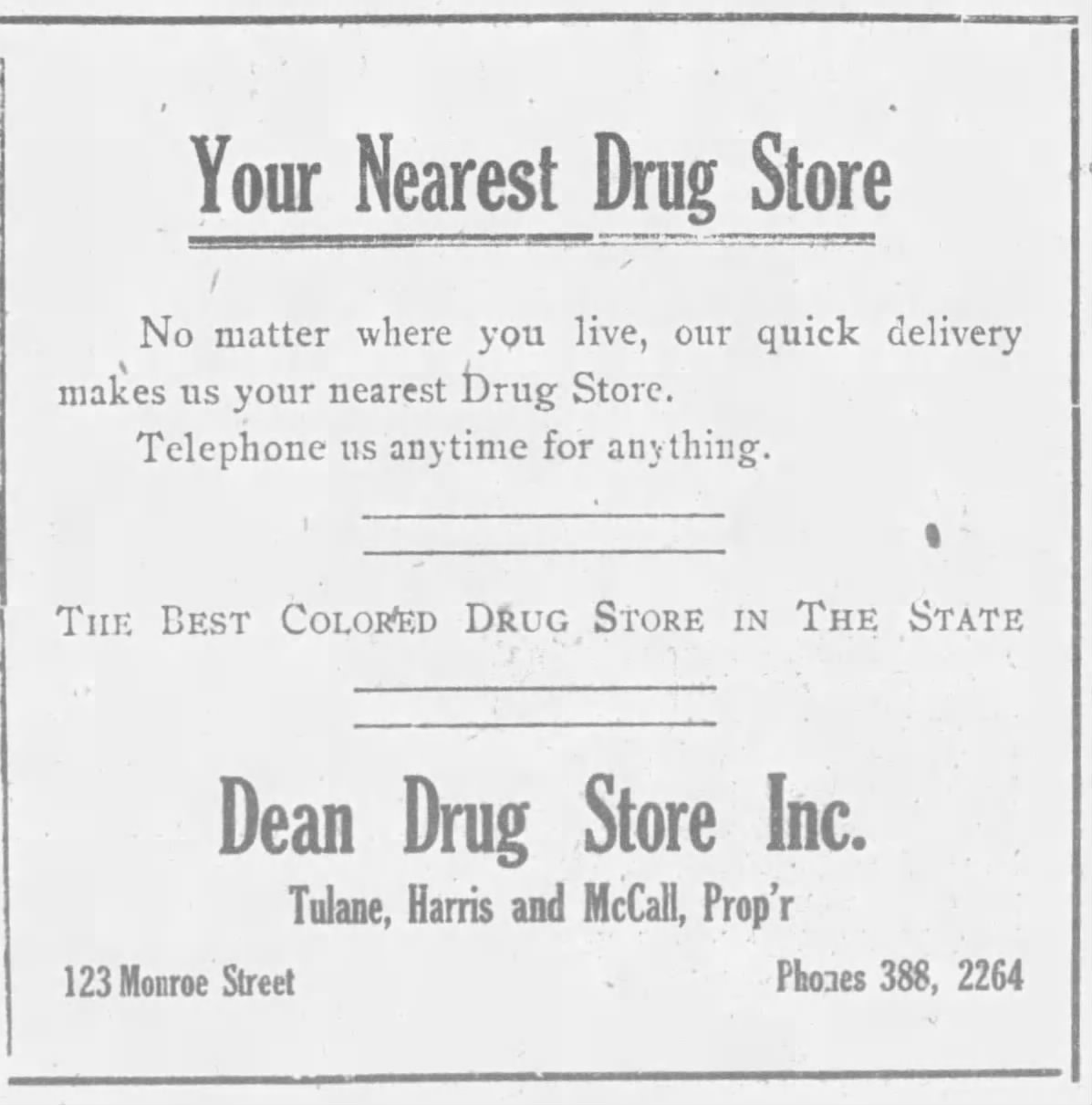
Stella: He used to ride that motorcycle out to my house everyday and ride it back downtown to the drugstore where he was working. They had opened up a drugstore.
Margaret: Who had opened up a drugstore?
Stella:Mr. Tulane, his uncle and they all were working in it It was a nice big, good business and everybody would be so congenial and everything when you would go in. You remember the drugstore? You used to hang out around the drugstore every Sunday. You could find anybody you wanted at the drugstore (laughs) when you’d court.
My mother wrote this as part of her family history memories for my sister and me in 1980. I am putting the whole piece here then I will reprint each sister’s section with the new information I found and corrections that needed to be made after I found descendants for most of them. My mother’s grandmother was Jennie Virginia Allen Graham. The women she writes about are her grandmother’s sisters, her great aunts. When “grandmother” is mentioned that is Jennie Virginia.
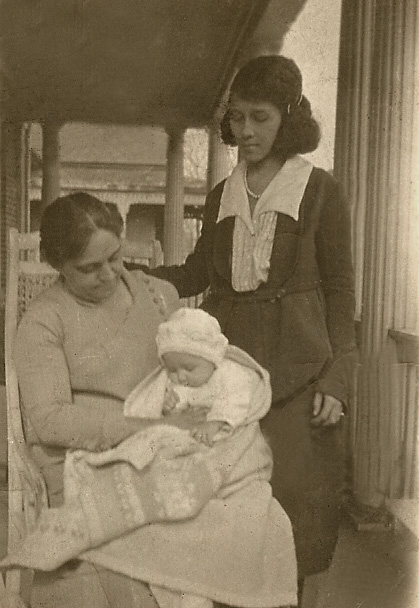
Now a word about her sisters….Aunt Willie was the oldest….married well…Victor Tulane (Tuskegee trustee and owner of a general store and many houses). He was not what you’d call a “faithful” husband, but Aunt Willie (the family said) looked the other way because he always took such good care of his wife and only child, a daughter Naomi, who was sent to Howard, married a doctor and went to live the high life in New York. Aunt Willie had a beautiful apartment over the store. Always had a maid and never worked. She was living like this when Grandmother was a struggling widow. She was the last sister to leave Montgomery. She died in New York. Her son-in-law had died, left her daughter wealthy with apartments in NY paid for, insurance, money for the education of the four children in the bank, etc. I remember shoes hand made in Italy being in the boxes of impossible things she sent mother. They were always distant “rich relations”. Don’t remember even seeing any of the children except one young woman who came to Detroit briefly, stayed with Margaret McCall. Saw Aunt Willie once. She and Aunt Abbie came to visit us when I was small. Don’t remember her saying much or ever smiling while Aunt Abbie was as you remember her, friendly.
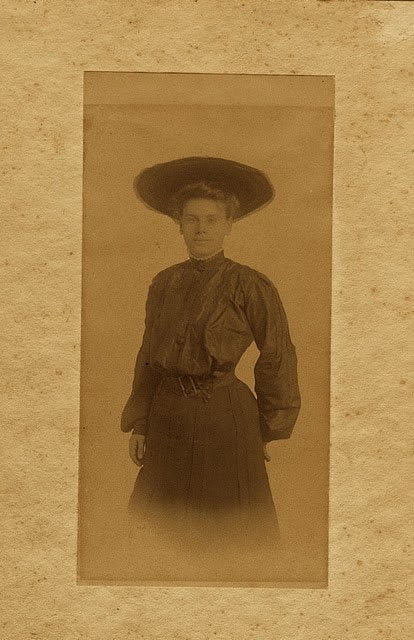
Aunt Abbie married a Mississippi Riverboat gambler, swarthy and handsome and no good, who stayed home on two visits long enough to give her two sons and then sent her trunks of fine clothes to wear or sell to take care of herself and the boys. Whenever she talked about him she sounded like she hated him. She resented the lack of money. Said once the oldest boy Earl (named for his father) screamed for days with toothache and she could not take him to the dentist who didn’t want any fancy clothes or jewelry. She resented raising the children alone. I got the feeling she hated them and they hated her and she resented him being off having a good time while she stayed home with the problems. She talked about him In a completely different way than she talked about her Jewish policeman who bought her a house on Ripley St. and spent much time there, for whom she loved to cook and keep house.
She came to live with Mother to take care of Daddy (!) so Mother could come to Springfield and help me when Kris was born. In later years when they lived on Fairfield, Mother and Daddy used to argue about this and they would call me in to referee. He’d say he took Aunt Abbie in out of the goodness of his heart like all the rest of her family, and that she was not supposed to stay on them forever but was to go live with Aunt Margaret. Mother would say Aunt Abbie came to take care of him because (here she would make a mouth at me) he could not take care of himself and work even tho he could cook better than she and do everything else in the house too. I think we are always angered at the way men can say this is the limit. I can’t or I won’t do this or that and we seem to have lives where you do what is to be done since you have no one who will hear you if you say you can’t or won’t…hold my hand Charlie Brown! And that he knew very well she was going to live with them and visit Margaret occasionally. Mother was right. He said Aunt Abbie came to have cataracts operated and to be taken care of. He was wrong. Her eye operations came years later. He said to me once that he had always taken care of Mother’s people and she would have nothing to do with his. I know how Grandmother depended on him to fix things around their house and he was most agreeable and I always thought he loved it. They made over him when he came with his box of tools. I was always there as helper, but he got very tired and mistreated about having both Alice and Aunt Abbie to take care of. He didn’t like either one. But I never could get him to send them to a nursing or residence home to live. He always said what would people say if I did that. When people talk like that I give up because they are obviously making the choice they prefer.
Back to Aunt Abbie. She loved to cook and do everything else about the house. Mother would not let her do anything except clean her own room and do her own washing and ironing and Mother hated everything about housekeeping except cooking, but she said her husband expected her to take care of him and his house and (she didn’t say this) she’d be damned if she’d let anyone else do it as long as she could. I couldn’t talk to her about it.
Aunt Anna was the sister who went to Chicago, got a job as teller in a bank, married the bank manager who was a widower with children. He knew she was black but no one else in his family ever did. I’ve often wondered what they did for birth control. They were young when they married. He was well to do. She used to write Mother and Mother would write back c/o general post office. Said she loved him but felt very lonely all the time not to be able to see her family and knew the children would have nothing to do with her if they knew. She was supposed to look like Margaret McCall. She got sick. Wrote Mother she was not to live long. That there might be no more letters. That she would dearly love to die with her family He had died years before…had left his money to her…had asked her to promise to stay near the children to pass so they would not be embarrassed…and leave the money to them. She promised and told mother she had made her bed and would lie in it to the end but would surely see them in Heaven. Mother was the only one she wrote to. The rest would not answer letters. That was the last letter.
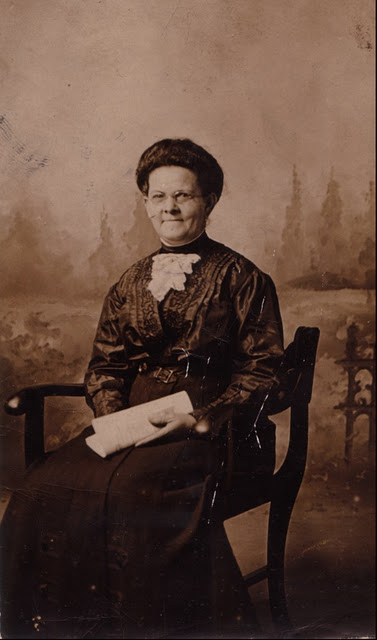
Aunt Mary married someone named James McCall whom I never knew. Also never heard anyone say who he was or what he did. As I write this it strikes me that the men these sisters married were for the most part very shadowy creatures. I’ve seen a picture even of only one. Strange. Aunt Mary looked rather like Aunt Abbie but was quiet and rather grim, I thought. Lived with Aunt Margaret and her son Uncle Jim all her life as far as I know. I think Aunt Mary helped with money although I don’t know where she got it. Uncle Jim, her son, was blind. There were two children, Margaret and Victoria, and no help from the state. He caned chairs and wrote poetry for a living. I think they were very poor but did better when the state helped blind people And they got enough money from somewhere to buy the Detroit Tribune and make money.
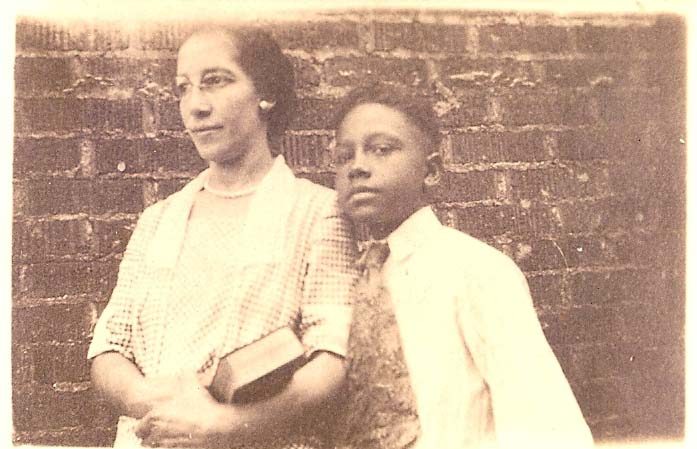
Aunt Beulah who looked something like Grandmother, I’ve heard, married someone named Pope and went to Milwaukee. Don’t know what he did or what she was like. Never saw her. Sent one son through dental school Robert Pope. Very handsome, his twin sister, a beauty married well, had one child the one who kept pushing me around when they came to visit us. I must have been about four, so was he, and he wanted to follow MV everywhere and not let me come. I went anyway. I remember him banging my head against the wall beside the stairs. Strange. He especially hated me because I could cut up my own meat and his mother wouldn’t even let him try. Ha ha!!! Another son of Aunt Beulah was a teacher who married had one daughter who wrote once to Mother and Daddy about family history. Wonder what she got together. I keep hoping to find someone who has already done all the hard work. Back to Aunt Beulah, who was considered the least beautiful of the sisters. Her son Robert built her a beautiful home and stayed there with her until she died not too long ago. Ten or twelve years. They all spoke of her with envy.
I just wanted to clarify a few things in the last post before moving on. Mary McCall’s daughter, Alma Otilla “Tillie” owned a three story brownstone in Chicago. She and her husband, Joseph Howard, lived in one unit and relatives lived in the other ones. In 1933, When Sayde visited her sister Blanch in Chicago, Mary McCall (Eliza’s oldest daughter) was 87. Mattie (Sayde’s mother and Mary’s half sister) was 59, Victoria (Mary McCall’s grandaughter) was 18, Sadye was 16 and Margaret(Mary’s grandaughter) was 15.
Mary Allen McCall was born in 1856 in Alabama, probably Lowndes or Dallas County where her mother, Eliza was the slave of Milton Saffold. Milton Saffold’s wife, Martha Harrison Saffold died in 1856 after the birth of her third son. Mary Allen McCall did live in Mississippi for a short time, but as an adult with one of her daughters between the death of her husband in Montgomery and the family’s move to Detroit, Michigan. By 1933 she was living in Detroit.
I hope that isn’t too confusing. I do have a chart showing all these various relationships but before I post that I would like to go back to my mother”s writings and then show what she got right in her memories of her great aunts and how I eventually met people from all branches of Eliza’s children and found more photographs and more stories.