
After publishing B – Betsy I got the following question from my daughter Ayanna:
“I wonder what the house with 12 people in it was like. Did the home have indoor plumbing? Where did they sleep? Where did they eat? Food storage? What was a regular weekday meal? Were they near a park or other outdoor space that they could access? I have so many questions!”
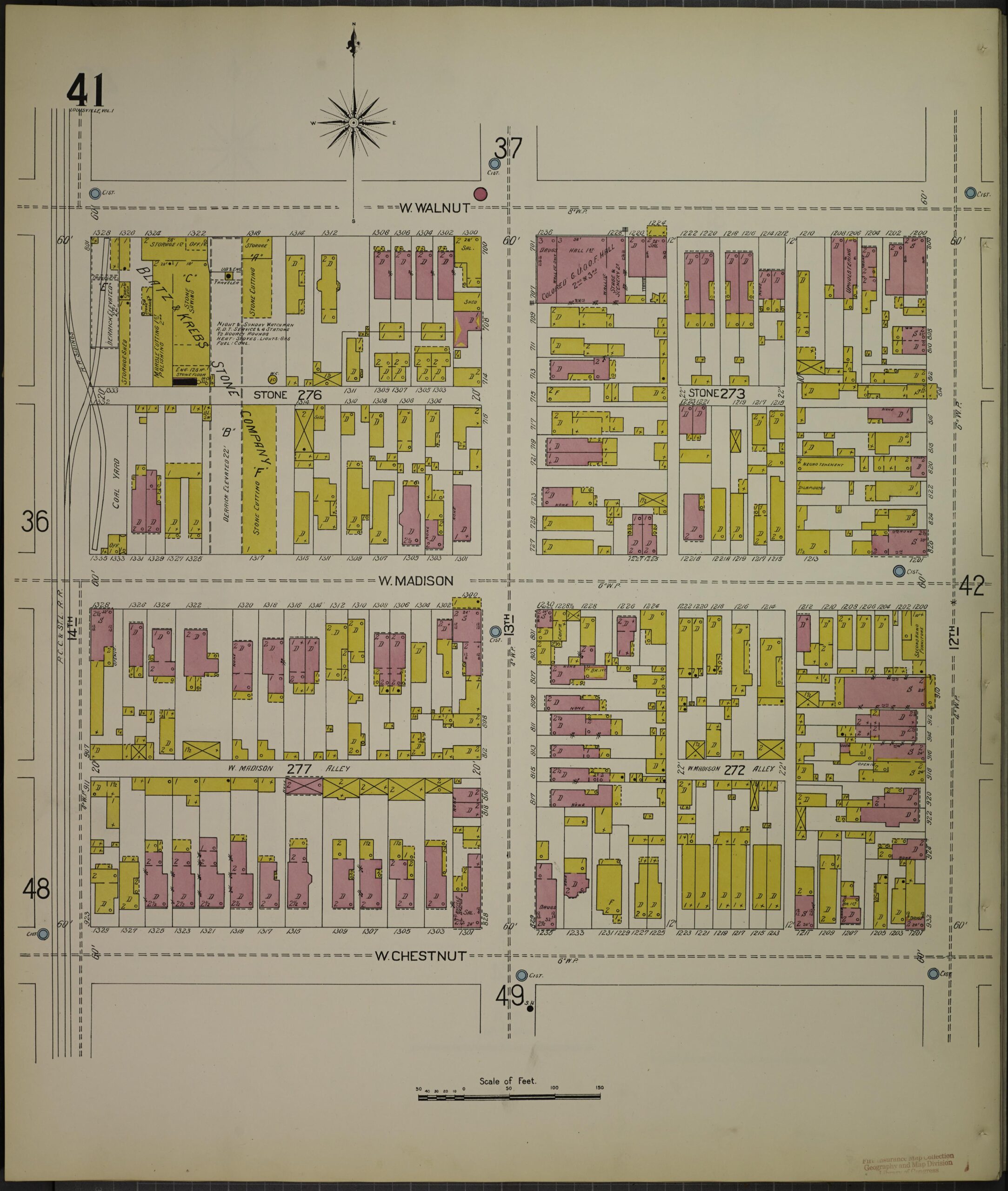
In 1900, sixty year old widow, Elizabeth “Bettie” Doneghy lived at 815 13th Street in Louisville, Kentucky with her large family. Included were her daughter Katie (washerwoman) and her husband William (coachman) and their son one year old Charlie; Her daughters Marcie and Laura were both laundresses; Her son Sam (cook at the Lou Hotel) and his wife Emma and two little sons; and sons Wesley(waiter) and Tingsley (cook at the Union depot). All the adults were literate except Elizabeth and Tingsley.
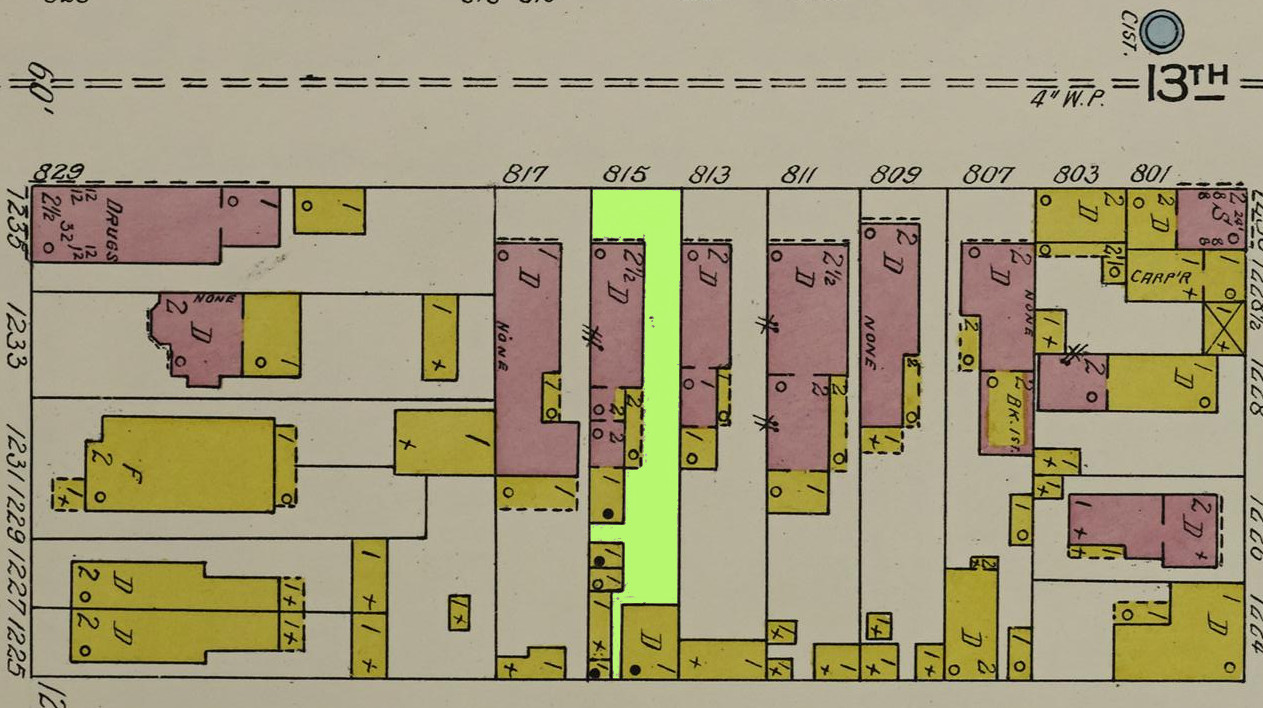
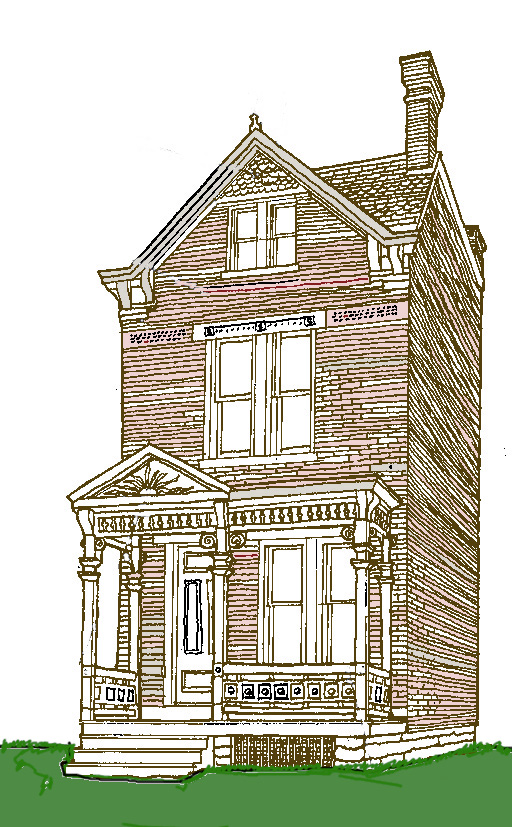
The family stayed in the west Louisville African American community, but moved around often. They rented the brick house on 13th for about three years. The main portion of the house was two and a half stories high, that is two full stories and a third story that was not as large as those below because of the sloping roof but it added more room.

Indoor plumbing was a rare luxury. In the early 1900s only 1% of homes in the United States had indoor plumbing. There would have been a pump in the backyard. Bathing was done through sponge baths with pitchers and washstands, or by heating water on a stove for a tub bath. Most families bathed once a week. An out house in the backyard would suffice for a toilet.
The family ate the basic southern diet, cornbread, beans, sweet potatoes, greens. Maybe fish if they went down to the Ohio River and fished. Maybe they had a small garden, perhaps a few chickens. The yard looks big enough for that. They most likely cooked with wood and heated water the same way. Although there were ads for ice boxes for $3 or less, googling tells me that poor people didn’t have ice boxes. I doubt there were leftovers needing refrigeration. Maybe they bought milk for the children.
There were public parks in Louisville, but at that time they were for whites only. Later there was one for African Americans. In 1905, the Western Branch Library for black people opened.
The family was Catholic in Lebanon, I’m assuming they continued to be. St. Augustine Catholic Church was the black Catholic church and it was in their area.
I hope I answered all of Ayanna’s questions!
Discover more from Finding Eliza
Subscribe to get the latest posts sent to your email.
Thanks to your daughter for her questions…. and for your answers which provided informative answers for me too.
And me too!
This is so interesting. We live such easy lives compared to back then. As an old white woman, I am appalled that the park and library were for whites only. I am 67 years old and on MLK day, our office toured one of the Civil Rights locations here in Birmingham. I had been to some of the others, but this location was new to me. They had an exhibit and standing there a few weeks ago is the first time that I realized we didn’t all share a library. How have I missed that important fact for all of my life? I know it is too little too late . . .but I am so sorry. I actually called my sister that day to see if she knew this fact. She is 8 years older . . .she didn’t know either. Please keep writing. I love reading your posts.
Isn’t that amazing that the lives of people living in the same city could be so different and so many people never even realized it?
Thanks for commenting.
Thank you for providing this deep dive into the everyday life. It makes me take notice of how some routine mundane moments shifted quickly and quietly in my 50 years. Some things that seem to change in a moment but were decades in the making… roll out piece by piece with webs of connection that can be hard to see at the time. It is only 4/9 I am excited to see what you publish next!
Thank you for asking those questions! I am writing daily and I wouldn’t have come up with those on my own at this point! Tomorrow, or rather later today will be G is for graduates about some early school graduates in Lebanon, Kentucky. I’ll remember to include some info about what school was like, if I can find it!
These details really help to be able to imagine their lives. I enjoyed reading about what they would have eaten. It sounds healthy–although there may not always have been enough of it. But maybe the sons who worked as a waiter and a cook were able to bring food home sometimes.
In London in the 1920s my mother’s family had to use an outhouse in the back yard, and heated water on a coal stove (I think) to pour into a big tin tub for bathing.
There were 8 in her family. The parents had a bedroom, the three boys shared a bed and the three girls shared another one. When she was an infant my grandparents kept my mother, who was the youngest girl, in a dresser drawer that they took out and kept by their bed.
I’m challenged when it comes to making sense of plans. Is the apartment or house a long railroad-car type of apartment, or a tall, skinny house? And is the part highlighted in green a corridor or the yard?
It’s a tall skinny house, as in the drawing – 2 and a half stories with the green being the yard. Although it was more likely dirt than grass. And hopefully a garden .
My 2nd daughter slept in a dresser drawer like that! We’d moved from Detroit to Atlanta and left the little crib at my parents.
It was the food that is unusual to me without meat which was generally available here. It’s easy to forget how some things have changed radically close to our own lifetimes. My grandparents’ suburb was only sewered in the 1930s and was one of the earliest in the cities. The Council’s sewerage maps are enlightening about properties. When I went to live in PNG, our cooking and water heating was wood-fired. Always fun chopping the wood…or not. Segregation of the parks would have been bitter.
Especially for the kids. It was all pretty bitter.
I cooked with wood for a few years when we moved to Idlewild. We had a water heater though. We had a septic tank and well water.
We take so many conveniences for granted now – clean fuel, running water, daily showers in en suite washrooms.
Both my grandmothers were cooking with coal well into the 70s. My mother started her married life with a kerosene stove, graduated to cooking gas in Delhi and to electric when she moved out of India.
Segregation of public facilities must have felt intolerably unfair.
It was only one of so many indignities and injustices.