In 2010 I wrote a series about all the places I have lived. One of them was the Luba Project in Mississippi.
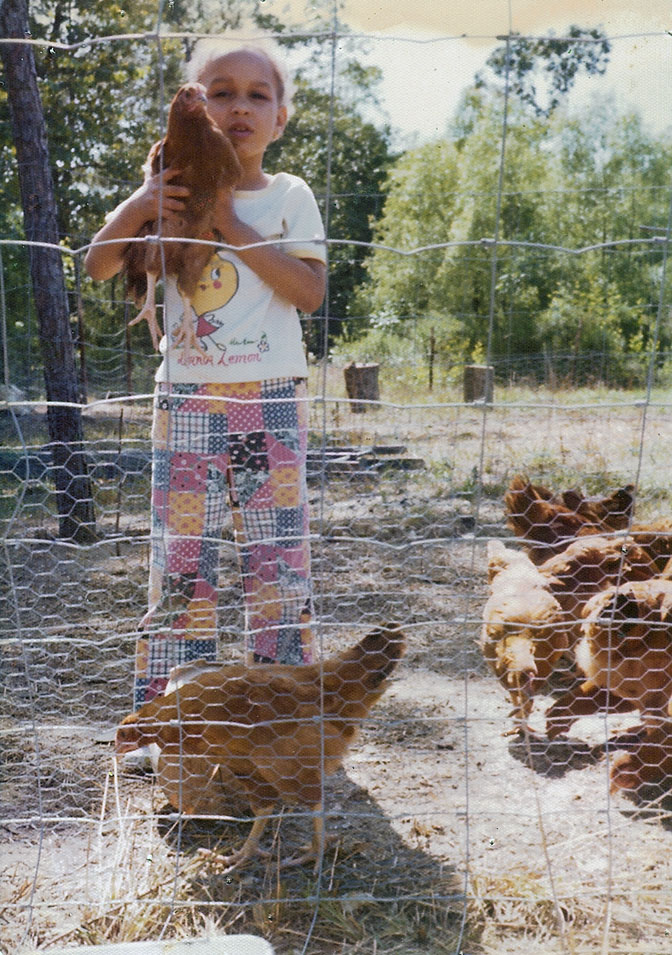
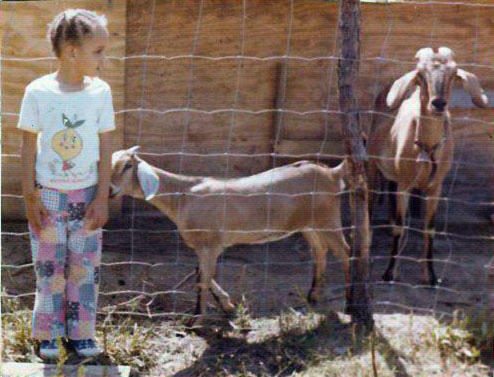
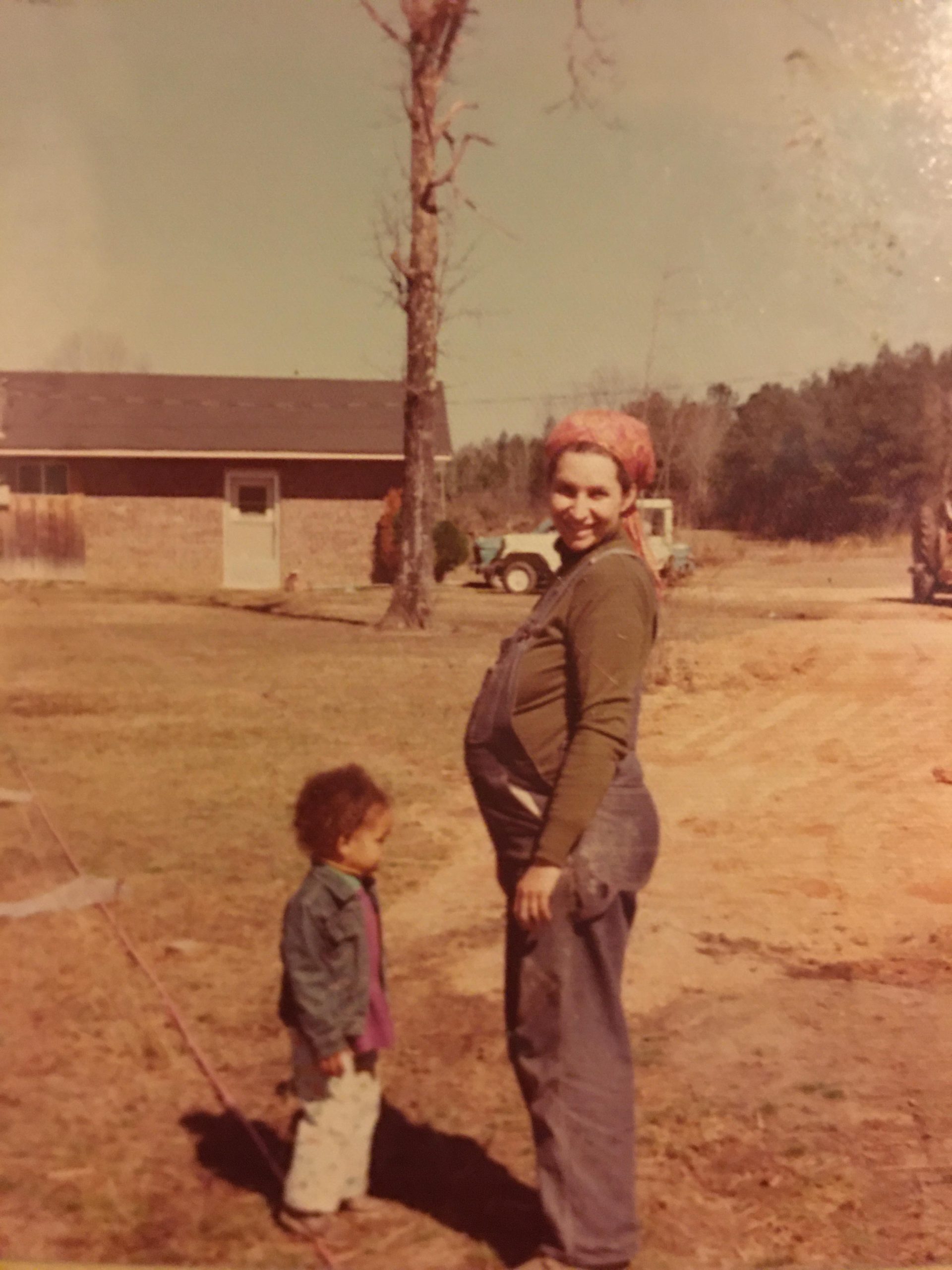
In November of 1975 the Emergency Land Fund closed the South Carolina office and moved Jim, along with us, to their model farm 30 miles south of Jackson, Mississippi. We left Mt. Pleasant, SC and moved to Simpson County. The farm was to serve as a testing ground and example of ways to make money on a small acreage. There were rabbits and green house tomatoes with plans for raising potatoes and running a grading shed for cucumbers and potatoes.

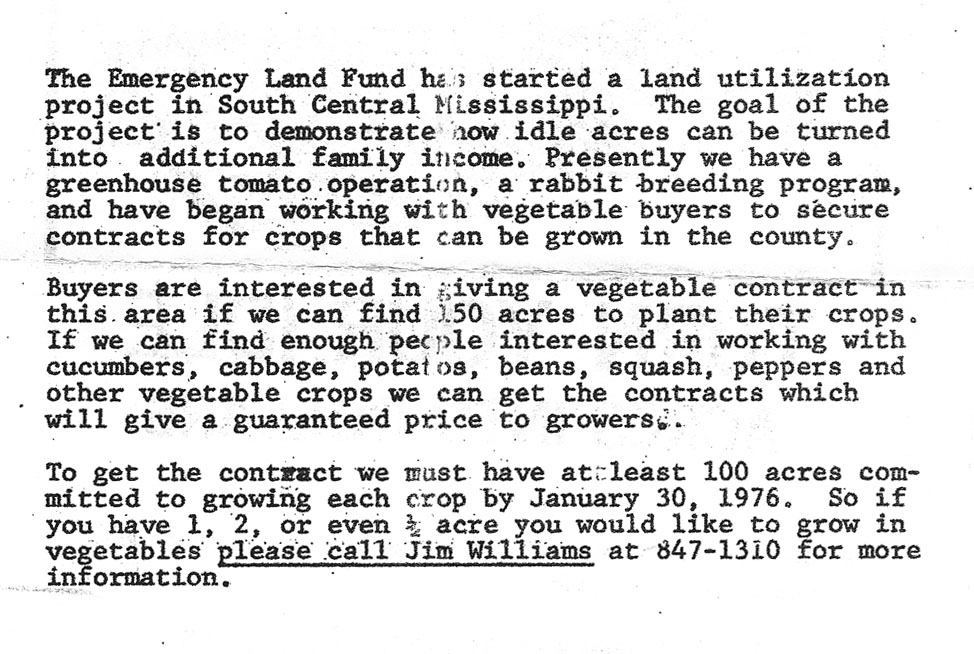

Near Braxton I visit an expermental mini-farm, as the young black man calls it. He hopes to show that winter tomatoes from vinyl greenhouses can be profitable. He works for the Emergency Land Fund, which seeks to prevent further loss of land by blacks.
In 1910, southern blacks held about 15 million acres, he says, some acquired after the Civil War when plantation owners were pressed to give former slaves 40 acres and a mule. Today, only about five million acres are in some 79,000 black-owned farms, and 60 percent of that land lies idle – because the owners are old, he says; because blacks find it hard to get loans.
How do blacks lose their land?
Poor management, the young man says. Or crooked lawyers. Through tax sales. Or partition sales: To many blacks, making a will seems like inviting death; when a man dies, he may have dozens of heirs. If just one can be persuaded to sell his share, then the new part owner can demand that the whole property be auctioned off. In such cases the Emergency Land Fund tries to step in as a buyer, to save the land for blacks.”